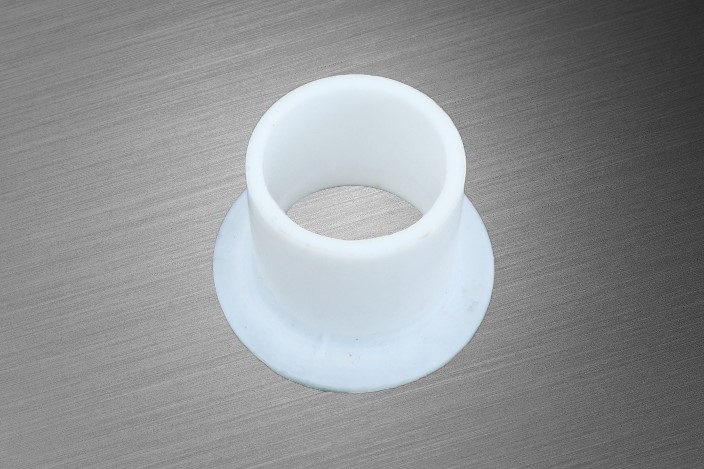
PTFE Cascade Mini Ring for Superior Mass Transfer in Tower Packing Applications
News Details
Understanding the Design and Function of PTFE Cascade Mini Ring
The PTFE Cascade Mini Ring, also widely recognized under the trade name Teflon Cascade Mini Ring, represents a significant advancement in random tower packing technology, featuring a unique cylindrical geometry with internal ribs and a distinctive cascade structure that promotes superior liquid distribution across the packed bed. Unlike conventional packing media, the cascade design incorporates strategically positioned openings and fluted edges that create multiple drip points, effectively breaking the liquid into thin films and fine droplets as it descends through the column. This engineered configuration minimizes channeling and wall flow while maximizing the effective interfacial area between the gas and liquid phases, which is the primary determinant of mass transfer performance. The internal architecture of each ring reduces pressure drop compared to earlier generation packing elements, allowing operators to achieve higher throughput without sacrificing separation quality. Additionally, the high void fraction inherent in the cascade mini ring geometry ensures that fouling tendencies are significantly reduced, extending operational cycles between maintenance shutdowns.
Material Advantages of PTFE in Corrosive Chemical Environments
Adopting PTFE as the material of construction for cascade mini rings delivers unmatched chemical inertness across a broad spectrum of aggressive media, including strong acids, alkalis, oxidizing agents, and organic solvents that would rapidly degrade metallic or ceramic alternatives. This fluoropolymer exhibits a working temperature range from cryogenic conditions up to approximately 260 degrees Celsius, making it suitable for both low-temperature absorption processes and elevated-temperature distillation operations commonly found in fine chemical and pharmaceutical manufacturing. The non-stick surface properties of PTFE prevent the accumulation of sticky residues and scale deposits on the packing surface, thereby maintaining consistent mass transfer coefficients over prolonged operating periods without the performance degradation observed with other materials. Furthermore, the low coefficient of friction and inherent flexibility of PTFE contribute to excellent resistance against mechanical shock during tower loading and transient process conditions, reducing the risk of packing element breakage that could lead to bed compaction and increased pressure drop.
Key Industrial Applications of PTFE Cascade Mini Ring Packing
The PTFE Cascade Mini Ring, commonly referred to as PTFE CMR Packing in process engineering specifications, finds extensive application in scrubbing systems where highly corrosive gases such as hydrogen chloride, sulfur dioxide, and chlorine must be absorbed into aqueous solutions without compromising the structural integrity of the tower internals. In the pharmaceutical and specialty chemical sectors, these packing elements enable reliable separation of heat-sensitive and reactive compounds under vacuum distillation conditions, where the combination of low pressure drop and chemical resistance is critical to product purity and yield. Petrochemical refineries utilize PTFE cascade packing in acid gas removal units and sour water strippers, where the media must withstand continuous exposure to hydrogen sulfide and carbon dioxide in the presence of amine solutions at moderate temperatures. Environmental protection systems also benefit from this technology, as PTFE cascade mini rings are deployed in flue gas desulfurization towers and odor control scrubbers to remove pollutants while resisting the corrosive effects of acidic condensates and wet chlorine environments. The versatility of these rings extends to solvent recovery operations, where their ability to handle a wide range of organic vapors without swelling or degradation ensures consistent recovery efficiency across diverse process chemistries.
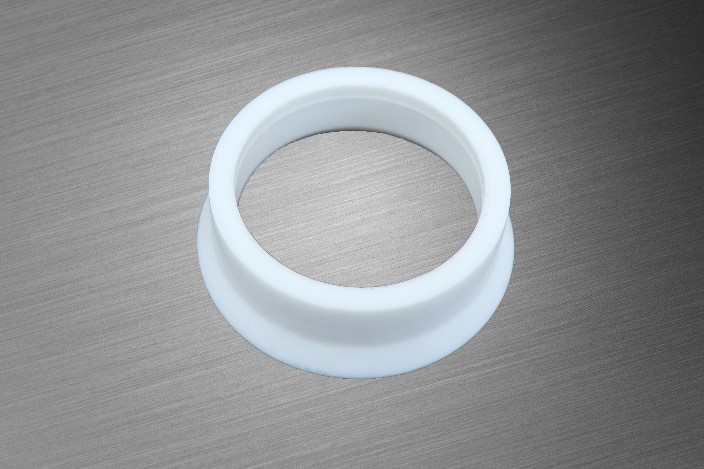
Evaluating and Selecting the Ideal PTFE Cascade Mini Ring for Your Process Requirements
When specifying PTFE Cascade Mini Ring packing for a new installation or retrofit project, engineers must carefully evaluate several interrelated parameters including the nominal ring size, bed depth, and liquid and gas loading rates to achieve the targeted separation efficiency within the available column diameter. Smaller ring sizes generally offer higher surface area per unit volume and better mass transfer performance, while larger sizes provide lower pressure drop and greater capacity, making the selection a balance between efficiency and hydraulic throughput. Process simulation software incorporating published pressure drop and mass transfer correlations for cascade mini ring geometries can assist in optimizing the bed configuration and predicting column hydrodynamics under design and turndown conditions. It is equally important to verify that the PTFE grade selected meets the specific temperature and chemical exposure requirements of the application, as certain filled PTFE compounds may be necessary when enhanced mechanical strength or thermal conductivity is desired. Consulting with experienced packing manufacturers and reviewing performance data from reference installations with similar process conditions can substantially reduce the technical risk associated with tower packing selection and ensure long-term operational reliability of the mass transfer equipment.