PTFE Conjugate Ring Solutions for Industrial Tower Packing
News Details
Core Design Features of PTFE Conjugate Ring
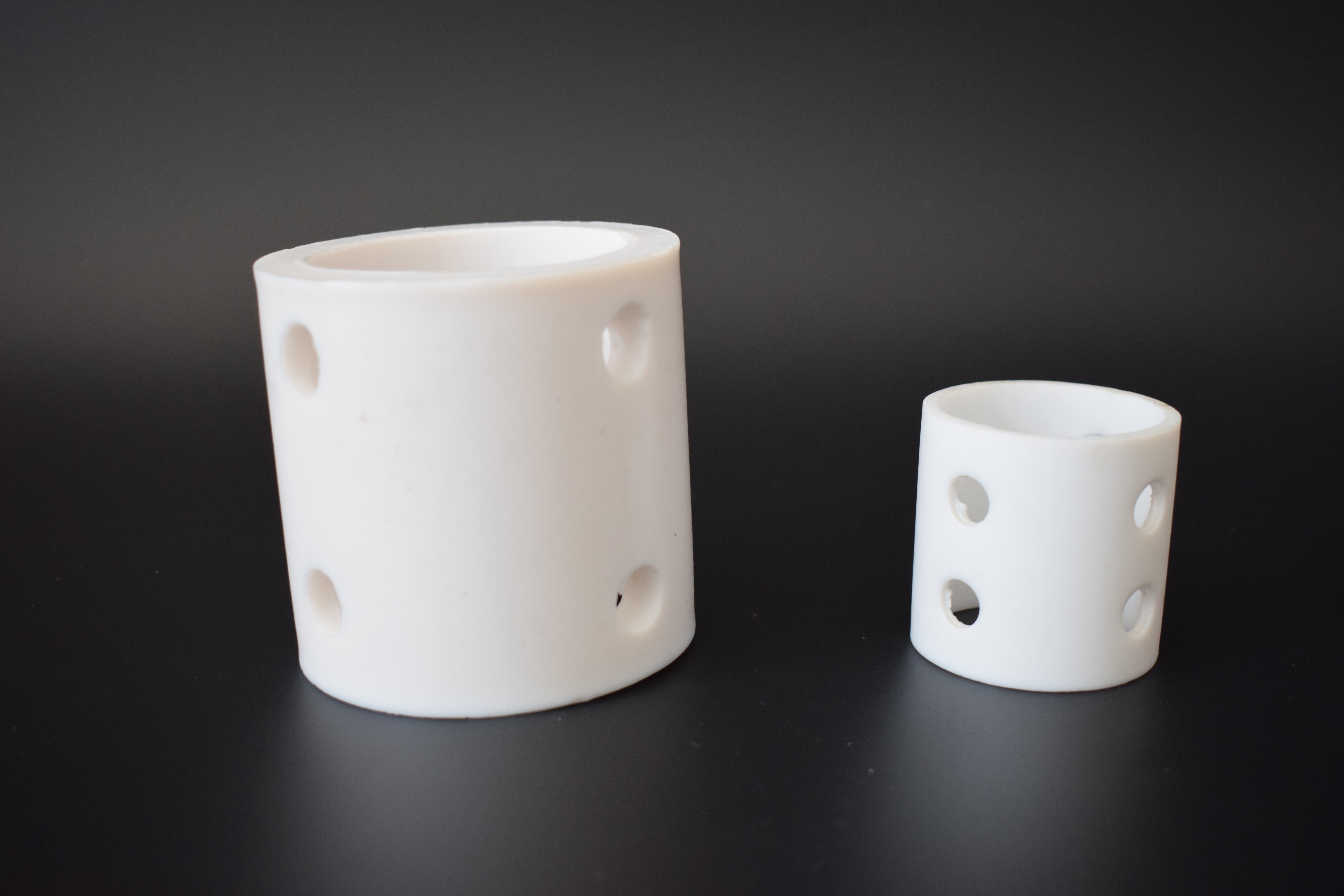
Modern chemical plants demand equipment that handles extreme conditions every day. PTFE conjugate ring products meet these tough needs with proven reliability and strength. Their unique design brings clear advantages to industrial separation systems worldwide. Engineers trust this solution for critical mass transfer work in demanding process plants. This material choice supports long service life even in aggressive chemical streams. First, the conjugate ring design maximizes surface area for better vapor-liquid contact. Its open structure lets fluids flow freely without obstruction or unwanted buildup. This geometry creates ideal conditions for efficient mass transfer in packed columns. Many process engineers choose this shape for its superior hydraulic performance. Furthermore, the material properties resist aggressive chemicals and high temperatures well. These rings keep their shape even after years of continuous heavy-duty operation. Operators report fewer replacements and lower maintenance costs with these durable parts. The lightweight nature also reduces the overall load on tower support internals. In addition, installation becomes faster compared to heavier packing materials on the market. This practical benefit saves both time and money during column turnaround projects. Crews can load more rings per hour and complete shutdown work ahead of schedule. Fewer man-hours translate directly to lower total project costs for the plant.
PTFE Conjugate Ring Versus PTFE Perforated Ring
Meanwhile, engineers often compare PTFE conjugate ring with PTFE perforated ring options. Each type offers distinct benefits depending on your process requirements and goals. Making the right choice impacts both efficiency and long-term operating costs directly. A thorough comparison helps avoid costly mistakes during equipment selection phases. Similarly, PTFE perforated ring designs provide excellent liquid distribution in many setups. Yet the conjugate ring structure typically delivers higher capacity and lower pressure drop. Process designers should evaluate both options carefully for their unique application needs. Lab testing and pilot runs often reveal which design works best for a given service. Moreover, the conjugate form often shows better mechanical strength under high liquid loads. PTFE perforated ring products may suit applications where cost is the primary driver. A balanced assessment helps teams select the best option for each specific project. Long-term operational data also supports informed decision making for packing selection.
Teflon Perforated Pall Ring in Separation Systems
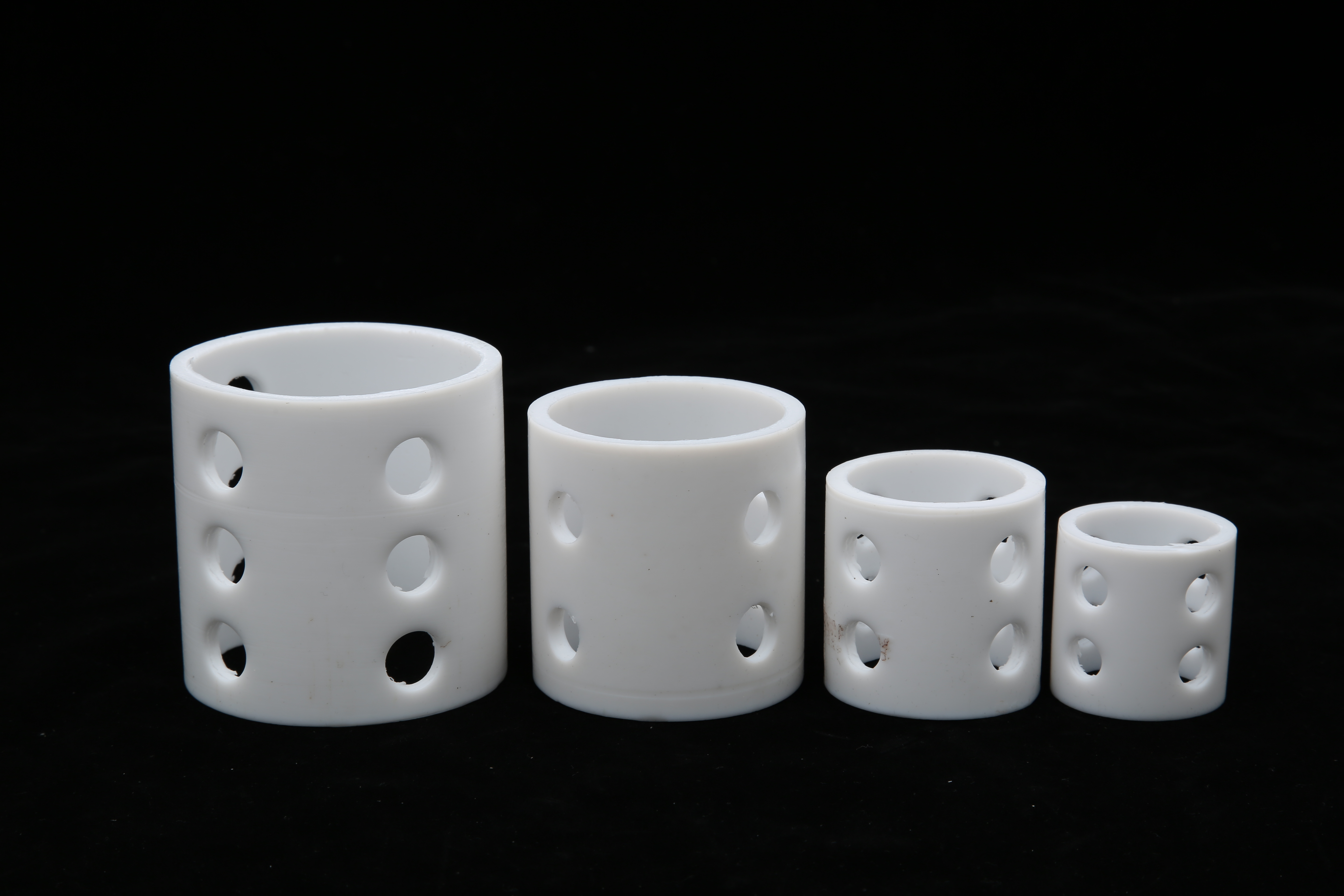
Additionally, Teflon perforated pall ring products serve as a reliable tower packing choice. These rings feature internal structures that promote even liquid spreading across columns. Their proven track record spans decades of industrial use in plants around the world. Many facilities keep these rings in stock for routine maintenance and column repacking. Moreover, many facilities combine different ring types within one column for better results. Teflon perforated pall ring components work well in upper bed sections of tall towers. This hybrid approach often yields the best overall mass transfer results for operators. It also provides flexibility to adjust column performance as process conditions change. Furthermore, the internal ribs of these rings create extra surface area for contact. This improves separation efficiency without adding significant weight to the packed bed. Engineers value this balance of performance and practical handling during installation work. Fewer replacement cycles also mean less waste and lower environmental impact over time.
Choosing Optimal Tower Packing for Your Operation
Consequently, selecting the right packing requires careful study of your process parameters. Flow rates, temperature ranges, and chemical compositions all influence the final decision. Expert suppliers can help evaluate these factors for your specific situation and budget. A well-chosen packing solution pays for itself through years of trouble-free operation. Finally, PTFE conjugate ring technology offers a compelling balance of efficiency and life. Its proven performance in demanding environments makes it a preferred choice for buyers. Contact a qualified manufacturer today to discuss your tower packing needs and project. Early engagement with suppliers helps ensure the right product reaches your site on time. Ultimately, investing in quality packing media pays off through lower energy use over time. Smart material choices reduce downtime and improve overall plant reliability every year. Your process deserves components that deliver consistent results year after year without fail. Take the next step and explore how these advanced products can upgrade your operations.