PTFE Slide Plates: The Complete Guide for Industrial Applications
News Details
What Are PTFE Slide Plates?
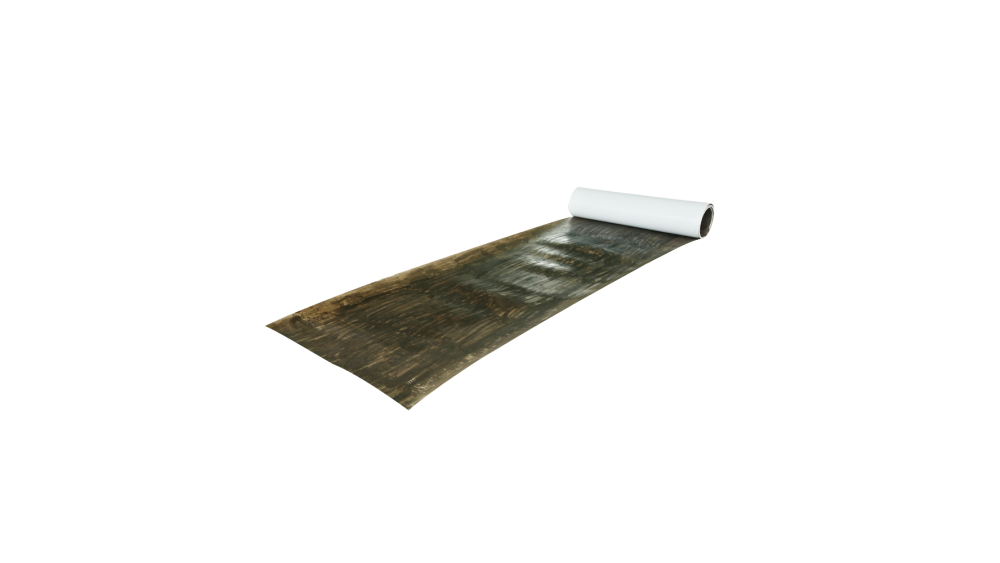
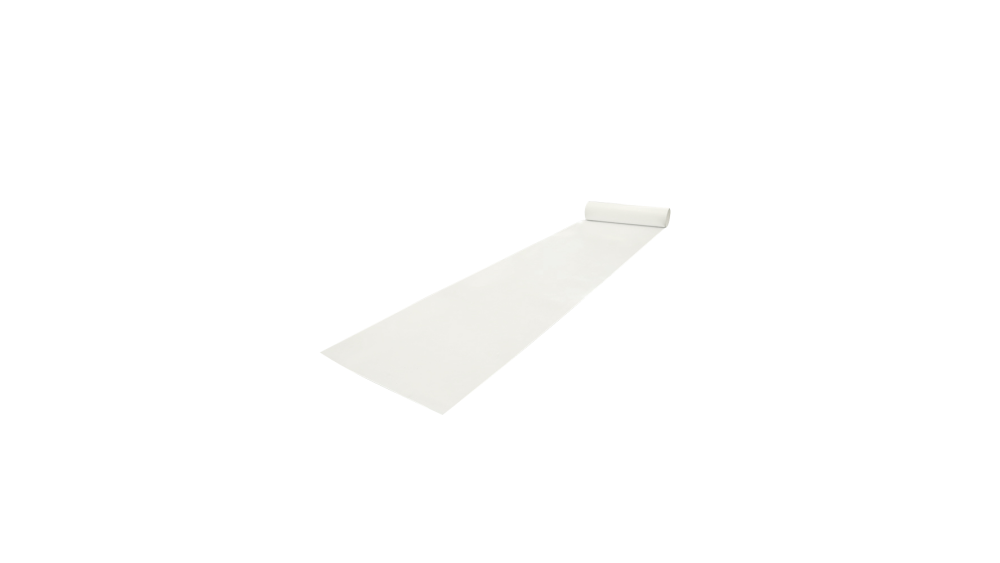
PTFE slide plates are essential components in structural engineering. They provide a low-friction interface between moving parts. These plates allow controlled sliding under heavy loads. Also, PTFE stands for polytetrafluoroethylene, a remarkable synthetic polymer. The material features an ultra-low coefficient of friction. This property makes it valuable for demanding industrial uses. Standard PTFE slide plates combine a PTFE surface with a rigid backing. Manufacturers often use carbon steel or stainless steel as the base. Some designs include an elastomeric layer for added flexibility. But the science behind these plates is quite fascinating. The PTFE layer can be pure or filled with additives. Glass fibers and carbon improve wear resistance significantly.
Key Benefits of PTFE Bearing Pads
Now let us explore why engineers choose PTFE bearing pads. These components offer unmatched performance in critical applications. Their benefits go far beyond simple friction reduction. For example, a PTFE bearing pad handles loads exceeding thousands of tons. The material maintains integrity under extreme compressive stress. It never cold-flows or deforms under sustained pressure. Additionally, these pads resist almost all industrial chemicals. Acids, alkalis, and solvents do not affect the material. This chemical inertness ensures reliable long-term operation. Furthermore, PTFE bearing pads require zero lubrication throughout their lifespan. The self-lubricating nature eliminates maintenance costs entirely. This feature proves invaluable in hard-to-access installations. Therefore, many industries now consider PTFE slide bearings a standard choice. Bridge engineers trust them for critical expansion joints. Pipeline designers rely on them for thermal movement solutions.
Common Applications for PTFE Slide Bearings
First, bridge construction represents the largest market for PTFE slide bearings. They sit between the bridge deck and supporting piers. This placement accommodates thermal expansion and seismic movement. Also, modern buildings use slide bearing pads in foundation systems. They isolate the structure from ground settlement effects. This protection extends the building lifespan by decades. Standard industrial pipelines benefit greatly from these components. Heavy pipes carrying steam or chemicals expand with temperature. The pads allow smooth movement without stressing pipe connections. But the applications extend well beyond civil engineering. Power plants use PTFE slide plates under heavy equipment. They prevent vibration transfer between different plant sections. For example, offshore platforms rely on these bearings in harsh marine environments. Salt water and constant motion test every component. Only PTFE-based solutions survive these extreme conditions. Meanwhile, chemical processing facilities depend on PTFE bearing pads. They support reactor vessels and storage tanks. The pads handle both chemical exposure and thermal cycling.
How to Select the Right Slide Bearing Pads
But choosing the right slide bearing pads demands careful consideration. Several key factors influence the final selection. A systematic approach yields the best results. First, determine your load requirements with precision. Calculate both dead loads and live loads accurately. Include safety factors for unexpected stress conditions. Also, measure the expected movement range in all directions. Longitudinal and transverse movements require different pad dimensions. The pad surface must accommodate the full range. Standard environmental conditions affect material selection significantly. High temperatures may require filled PTFE grades. Chemical exposure demands the purest PTFE formulations. For instance, a bridge in a cold climate needs different specifications. The pads must handle freeze-thaw cycles without degradation. UV exposure also impacts long-term material performance. Therefore, always consult with experiencedPTFE slide plate manufacturers. They provide technical guidance based on decades of field data. This partnership ensures optimal performance and safety. Finally, consider the installation process during the design phase. Proper placement prevents premature wear and failure. Good design simplifies future inspection and replacement work.