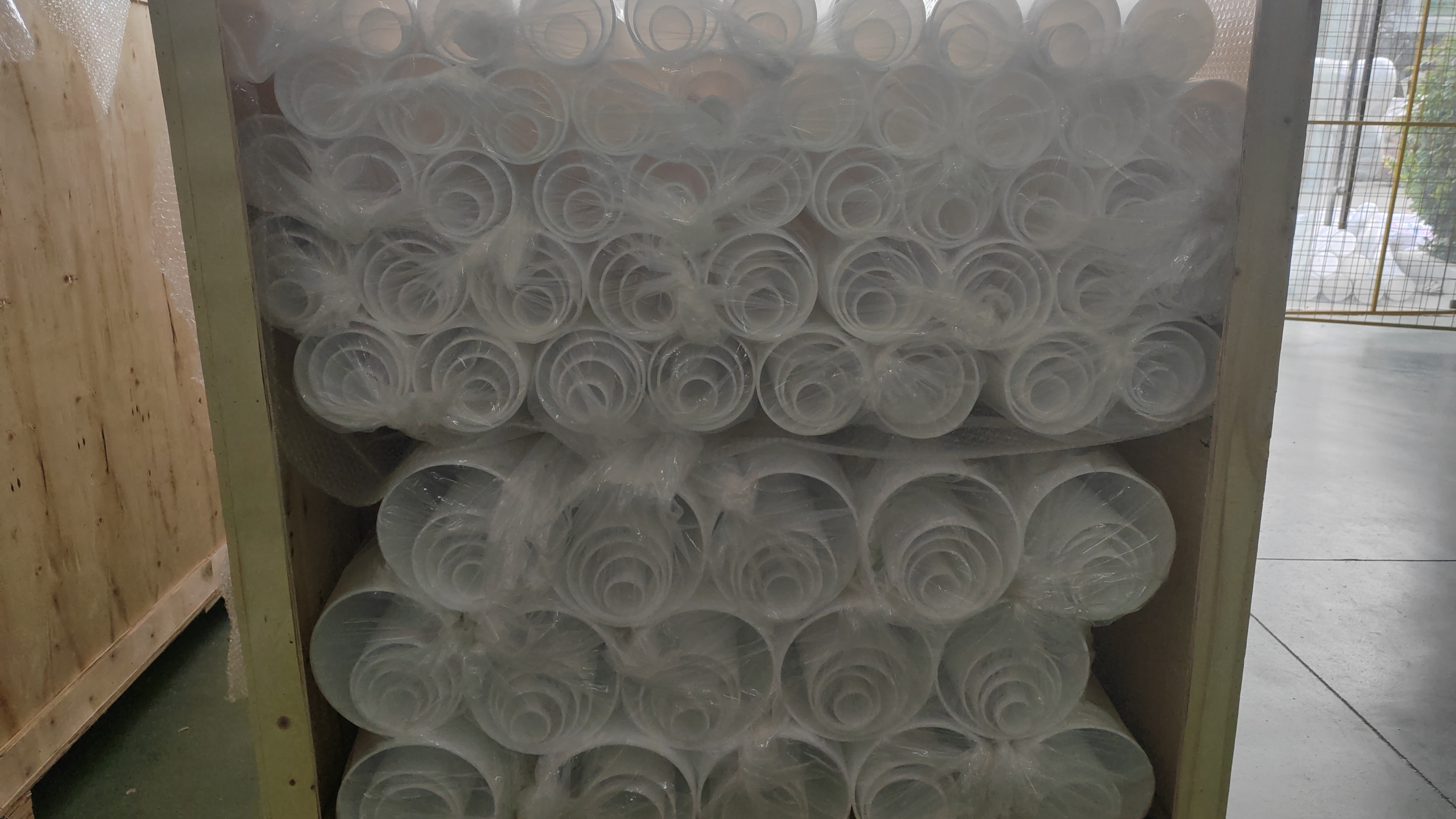
PTFE Tube Guide: Flexible Solutions for Industrial Applications
News Details
Understanding PTFE Tube Fundamentals
PTFE tube products deliver outstanding performance in harsh industrial settings. These components resist extreme temperatures and corrosive chemicals with ease. Consequently, engineers rely on them for critical fluid transfer applications worldwide. Moreover, ptfe tubes provide a unique combination of low friction and high flexibility. This dual advantage sets them apart from metal or rubber alternatives. As a result, system designers can create more compact and efficient layouts. The material structure of tube ptfe ensures long-term reliability under stress. It maintains its properties across a wide operating range without degradation. Therefore, end users experience fewer maintenance interruptions over time. In addition, the non-stick surface of ptfe tube prevents material buildup inside the bore. This feature reduces cleaning frequency and extends operational cycles significantly. Production managers therefore achieve higher throughput with less downtime.
Key Advantages of Flexible PTFE Tube
Flexible ptfe tube designs solve tight-space installation challenges effectively. They bend around obstacles without kinking or losing structural integrity. In turn, installation teams complete projects faster and with fewer joints. In addition, flexible variants withstand repeated mechanical movement and vibration. This durability directly extends the service life of the entire fluid assembly. Maintenance managers therefore report significantly fewer unexpected downtime events. Furthermore, tube ptfe products maintain exceptional purity in sensitive processing lines. They do not leach contaminants or react with the media being transported. This characteristic proves critical for pharmaceutical and food-grade manufacturing operations. The lightweight nature of ptfe tube also reduces structural support requirements. Installers handle and route these tubes without heavy lifting equipment. Consequently, overall project costs decrease while installation safety improves. Moreover, flexible ptfe tube products offer excellent electrical insulation properties as well. This dual functionality eliminates the need for separate protective sleeving in many cases. Thus, system complexity and total component count both decline measurably.
Selecting PTFE Tube Fittings and Connections
Ptfe tube fittings play a vital role in overall system reliability and safety. Proper connections prevent dangerous leaks and minimize pressure drops across the network. Engineers must therefore carefully match fittings to specific tube dimensions and wall thicknesses. Additionally, flared and compression-style fittings each offer distinct advantages for ptfe tubes. Flared types excel in high-pressure scenarios where maximum sealing force is needed. Meanwhile, compression fittings provide simpler assembly and easier field maintenance options. Furthermore, manufacturers now offer custom ptfe tube fittings for unique industrial requirements. These solutions can include special alloys or non-standard dimensional configurations. This level of flexibility effectively supports bespoke engineering projects across multiple sectors. Regular inspection of ptfe tube fittings ensures ongoing system integrity over time. Visual checks can identify early signs of wear or potential loosening. Thus, proactive maintenance schedules prevent costly unplanned shutdowns and production losses.
Industrial Applications and Market Outlook
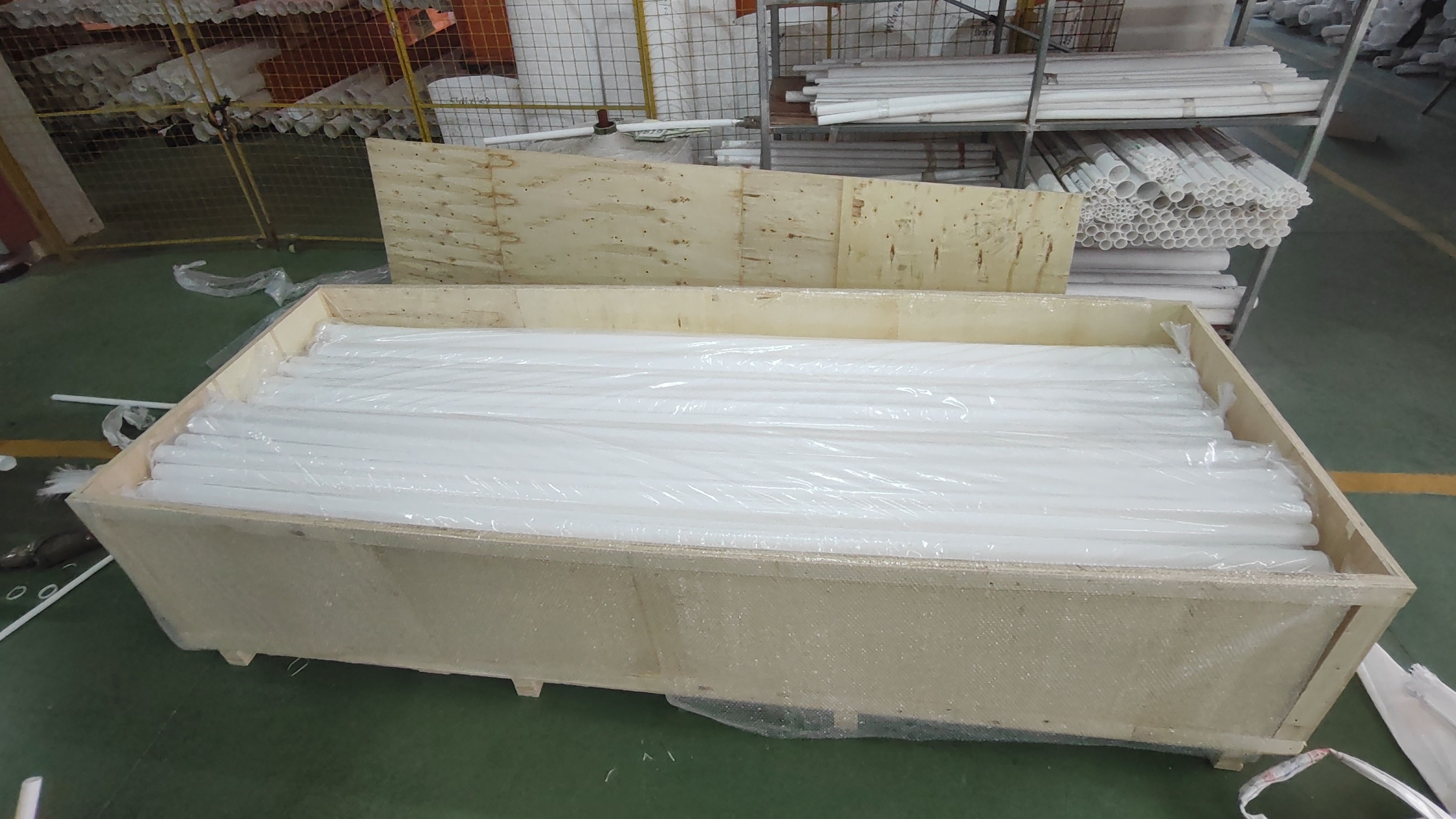
Ptfe tube systems serve a diverse range of industries across the global market today. Chemical processing plants depend on them for safe corrosive fluid handling operations. Similarly, aerospace manufacturers rely on these tubes for critical fuel and hydraulic line systems. The automotive sector increasingly adopts ptfe tubes for brake and fuel delivery systems. Their exceptional heat resistance proves essential in modern compact engine compartments. Furthermore, medical device makers value the proven biocompatibility of ptfe tube materials. Food and beverage producers also benefit from flexible ptfe tube solutions. These tubes meet strict hygiene standards while resisting aggressive cleaning chemicals. As a result, production lines maintain both safety compliance and operational efficiency. Looking ahead, demand for high-performance ptfe tube products continues to grow steadily worldwide. New manufacturing techniques enhance quality while systematically reducing per-unit production costs. The market outlook for these advanced solutions remains strong and promising. In summary, ptfe tube technology represents a strategic investment for forward-thinking enterprises. Its unique balance of chemical resistance and mechanical flexibility delivers lasting value. Industry leaders consistently choose these solutions for their most demanding applications.