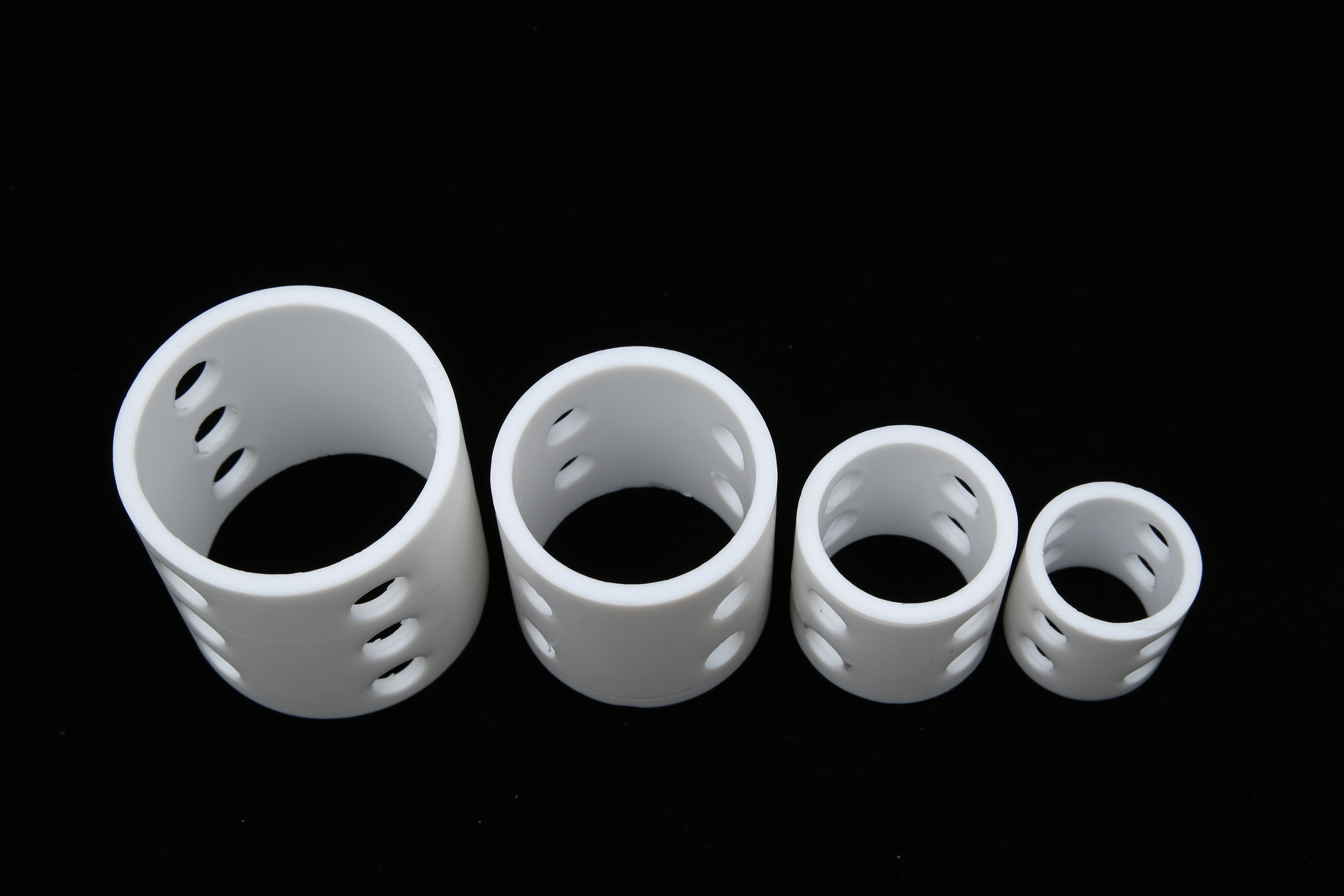
PFA Material - A Complete Guide for Industrial Buyers
News Details
PFA Material: Properties, Applications, and Industrial Uses
PFA material is a high-performance fluoropolymer widely used in industries that require chemical resistance, thermal stability, and reliable material performance. Its combination of physical and chemical properties makes it suitable for demanding applications in chemical processing, semiconductor manufacturing, pharmaceutical production, and other specialized environments. Compared with many conventional engineering plastics, PFA plastic offers excellent resistance to a broad range of aggressive chemicals, along with good electrical insulation and low surface friction. Understanding its characteristics, applications, and grade requirements can help industrial buyers select suitable materials for their equipment and production processes.
Key Properties of PFA Material
One of the most important properties of PFA material is its chemical resistance. It can withstand exposure to many acids, bases, and organic solvents under suitable operating conditions. This makes it a common material choice for chemical handling equipment, including pipes, fittings, tanks, valves, and protective linings. Actual compatibility should still be evaluated according to the chemical concentration, temperature, pressure, and exposure conditions. Thermal stability is another significant advantage. PFA maintains useful mechanical and chemical properties across a wide operating temperature range, making it suitable for equipment exposed to elevated temperatures and demanding process environments. Its performance under continuous heat depends on the selected grade, component design, and operating conditions. PFA plastic also features a smooth, low-friction surface that helps reduce material adhesion and makes cleaning easier in suitable applications. Its electrical insulation properties support its use in specialized electrical components and semiconductor equipment. In addition, PFA offers good flexibility and can be processed into different forms, including tubing, sheets, rods, and molded components. For applications requiring high material purity, selected high-purity PFA grades are available. These materials are used in semiconductor manufacturing, analytical equipment, and certain pharmaceutical processes where contamination control is important. Buyers should review extractables, traceability, and relevant compliance documentation to confirm that a specific grade meets the requirements of the intended application.
Common Uses of PFA Plastic
Chemical processing is one of the major application areas for PFA plastic. Its resistance to many corrosive substances makes it suitable for fluid transfer systems, chemical storage components, pipe linings, and specialized fittings. Selecting the correct material grade and component design helps maintain system reliability when handling aggressive process media. The semiconductor industry also uses high-purity PFA plastic in applications where chemical resistance and contamination control are essential. Tubing, fittings, containers, and fluid handling components may be manufactured from suitable PFA grades for use in high-purity chemical delivery systems. Material selection is particularly important because even small levels of unwanted contamination can affect sensitive manufacturing processes. In pharmaceutical and biotechnology facilities, PFA components may be used in selected fluid handling and processing applications. Their chemical resistance and smooth surfaces can support cleaning procedures and demanding process requirements. However, suitability for pharmaceutical use depends on the specific grade, regulatory requirements, extractables data, and validation procedures. PFA can also be found in specialized food processing and electrical applications. In food-contact environments, the selected material must meet the applicable food-contact regulations and documentation requirements. For electrical systems, its insulating properties and temperature resistance make it useful for certain wire coatings, cable components, and other applications exposed to demanding conditions.
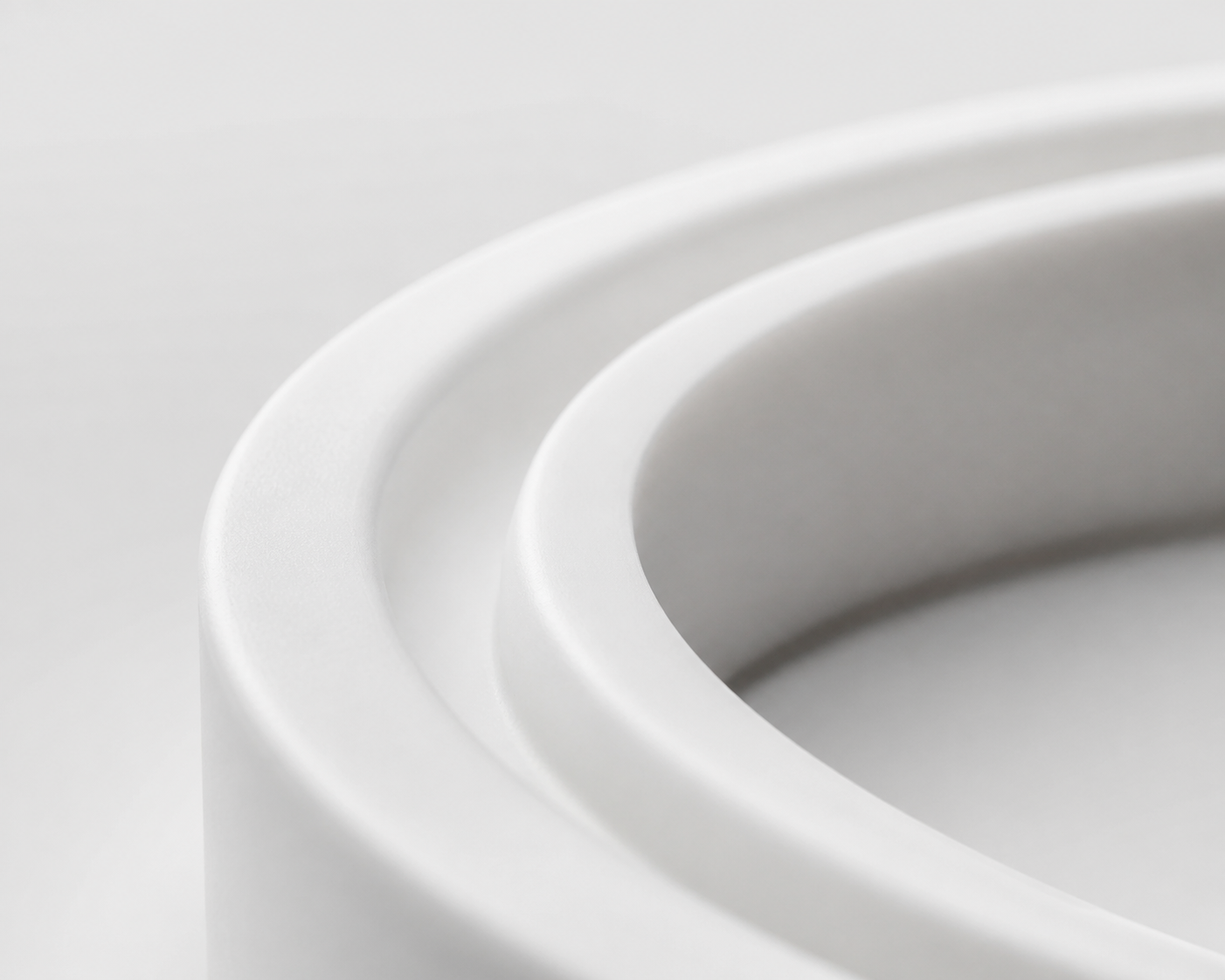
Choosing the Right PFA Plastic Material
Selecting the right PFA plastic material begins with understanding the actual operating environment. Buyers should identify the working temperature, pressure, chemical media, exposure duration, and mechanical requirements before comparing available grades. These factors influence material compatibility and help determine whether PFA is suitable for the intended application. Different PFA grades may have different melt flow rates, processing characteristics, and performance specifications. Melt flow rate is particularly important for manufacturers because it affects how the material behaves during extrusion and molding. Buyers should check technical data sheets and confirm that the selected grade matches the intended manufacturing process. Product form and dimensions are also important purchasing considerations. Depending on the supplier's capabilities, PFA may be available as tubing, pipes, sheets, rods, films, molded parts, or custom components. For industrial projects, dimensional tolerances, wall thickness, surface quality, and processing requirements should be clearly specified before production begins. Requesting samples and technical documentation can reduce procurement risks. Review material specifications, test reports, batch traceability, and relevant certifications before placing a large order. For critical applications, testing the material under representative operating conditions is advisable. Buyers should also confirm minimum order quantities, delivery schedules, and technical support arrangements.
Partner with a Reliable PFA Supplier
A reliable PFA supplier should provide consistent material quality and clear technical information. Product data sheets, certificates of analysis, batch identification, and inspection records help buyers verify that delivered materials meet the agreed specifications. For applications with strict purity or regulatory requirements, suppliers should also be able to provide relevant compliance and traceability documentation. Manufacturing experience is another important selection factor. Suppliers with established production and quality control processes are better positioned to maintain consistent specifications across repeat orders. Buyers should evaluate their capabilities in material processing, dimensional control, custom manufacturing, and product inspection rather than relying on product descriptions alone. Delivery reliability and technical support also affect the overall purchasing decision. Confirm available inventory, production lead times, packaging standards, and procedures for handling quality issues. A supplier that communicates clearly and responds efficiently can help reduce procurement delays and support ongoing production requirements. For long-term projects, it is worth building a working relationship with a supplier that understands your material specifications and application requirements. Consistent quality, reliable documentation, and responsive service can simplify repeat purchasing and support future product development. PFA material offers a valuable combination of chemical resistance, thermal stability, electrical insulation, and processing flexibility. Its applications range from chemical processing and semiconductor manufacturing to specialized pharmaceutical and electrical components. By evaluating operating conditions, selecting the appropriate grade, and working with a qualified supplier, industrial buyers can make more informed material purchasing decisions.