PTFE Chemical Compatibility - A Complete Industrial Guide
News Details
Why Chemical Compatibility Matters
Chemical compatibility is a critical factor when selecting materials for industrial equipment. In chemical processing plants, pipes, valves, gaskets, and other components are regularly exposed to acids, alkalis, solvents, and corrosive mixtures. Choosing an unsuitable material can lead to leakage, equipment damage, and unexpected production downtime. PTFE is widely used in these environments because of its excellent resistance to many aggressive chemicals. However, compatibility depends on more than the chemical name. Concentration, temperature, pressure, and exposure conditions must also be considered. Chemical compatibility charts provide a useful starting point, but actual operating conditions should always guide final material selection.
How PTFE Resists Aggressive Chemicals
PTFE (polytetrafluoroethylene), commonly known as Teflon, has a strong carbon-fluorine molecular structure that gives it excellent chemical stability. It resists attack from most common industrial acids, alkalis, and organic solvents, making it suitable for demanding chemical processing applications. Its low surface energy and non-reactive properties also help reduce material interaction and make cleaning easier. These characteristics support its use in chemical pipelines, storage equipment, valves, fittings, and sealing components. However, chemical resistance does not guarantee mechanical reliability under every condition. Long-term loading, pressure, temperature, and creep must also be considered when designing PTFE components.
PTFE Chemical Compatibility with Common Chemicals
PTFE offers broad resistance to many commonly used industrial chemicals:
-
Sulfuric Acid and Hydrochloric Acid: PTFE is generally suitable for handling these acids across a wide range of concentrations and operating conditions.
-
Nitric Acid: PTFE provides excellent resistance in many nitric acid applications, subject to temperature and concentration.
-
Alkalis: Common caustic solutions, including sodium hydroxide, are generally compatible with PTFE.
-
Organic Solvents: Many industrial solvents have limited effect on PTFE, making it useful in chemical transfer systems.
Although PTFE has excellent chemical resistance, mixtures and extreme operating conditions require additional evaluation. Temperature increases, high concentrations, and mechanical stress may affect overall equipment performance. Always check compatibility data for the specific chemical and service conditions.
Choosing the Right PTFE Grade
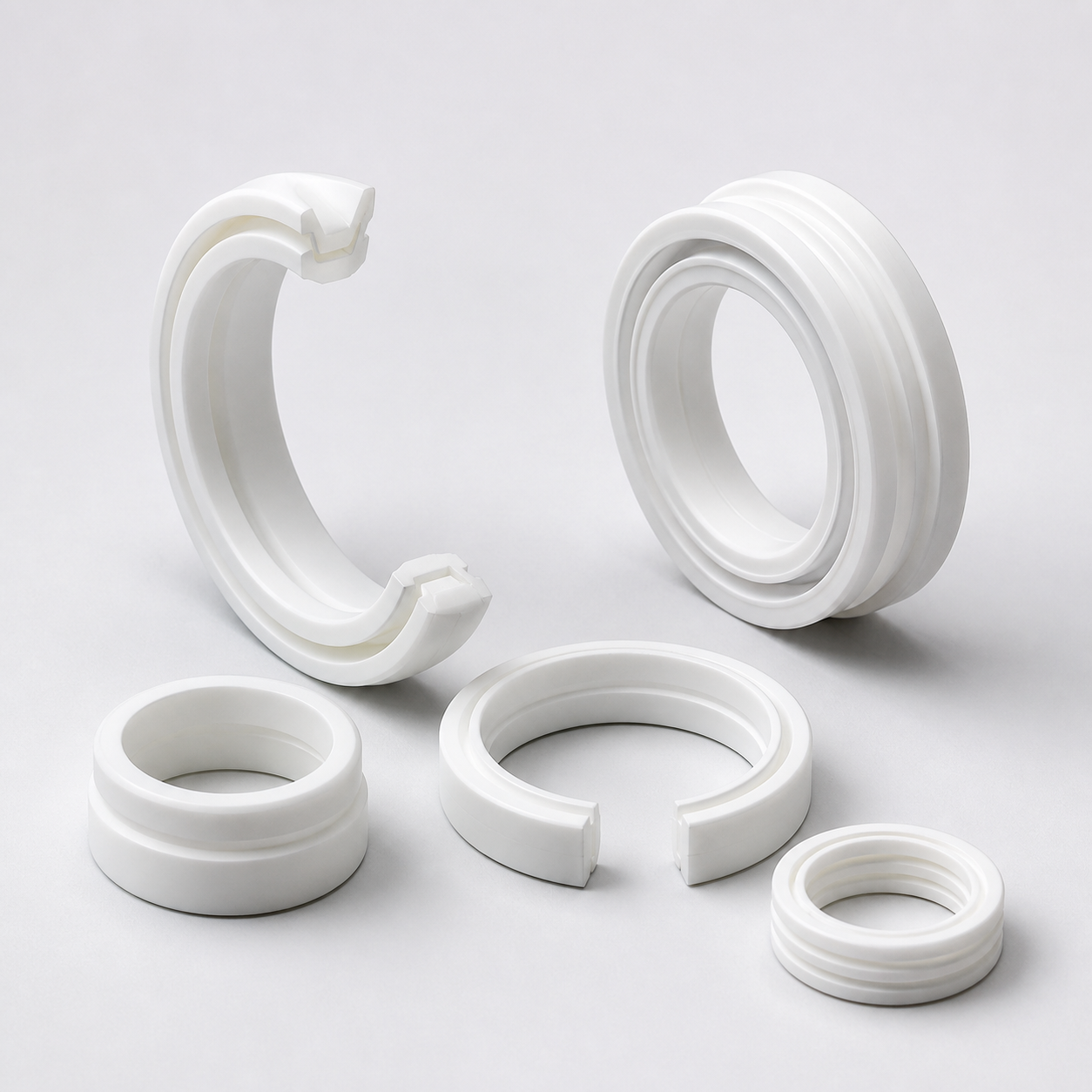
Virgin PTFE is commonly selected for applications requiring high chemical purity and broad chemical resistance. Filled PTFE grades, which may contain glass fiber, carbon, or bronze, can offer improved wear resistance and mechanical properties. However, fillers may change chemical compatibility and should be evaluated carefully.
When selecting PTFE materials, consider:
-
Chemical conditions: Identify the chemical composition, concentration, and potential mixtures.
-
Operating temperature and pressure: Confirm that the material can withstand the actual service conditions.
-
Mechanical requirements: Evaluate creep, wear, load, and sealing performance.
-
Application requirements: Consider whether virgin or filled PTFE is more suitable for pipes, liners, gaskets, or custom components.
-
Technical documentation: Request material specifications and relevant compatibility data from the supplier.
A reliable PTFE supplier should be able to provide technical support and help verify material suitability before production. Evaluating the entire system, including liners, fittings, seals, and gaskets, helps reduce compatibility risks and improve long-term operating reliability.