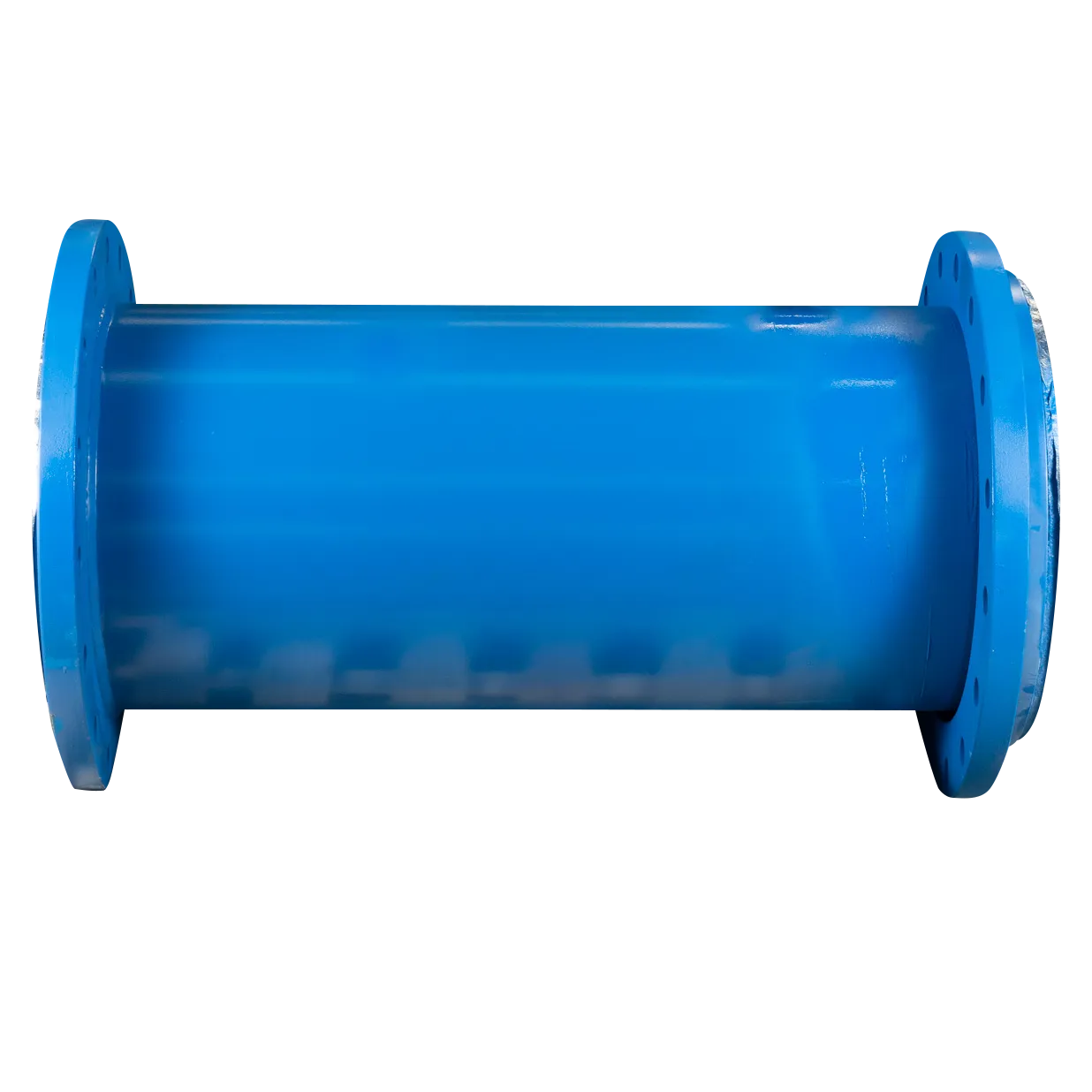
PTFE & PFA Lined Pipes | Industrial Corrosion Resistance
Product Information
Size:
DN15~DN1200
Pressure:
PN10, PN16, 150LB
Material:
A106 Gr.B, A53 Gr.B, 304, 316, 316L
Liner:
PTFE, PFA
Face-to-face dimension:
As per MTO


This industrial-grade fluoropolymer-lined piping system and associated valve components are engineered for fluid handling infrastructures that demand absolute isolation from highly corrosive, hazardous, or ultra-pure media. By mechanically bonding a heavy-wall metallic outer shell with high-density, non-porous PTFE or PFA liners, this system achieves the structural load-bearing capability of carbon/stainless steel while maintaining the complete chemical inertness characteristic of premium fluoropolymers.
The integration of these systems eliminates the risk of localized chemical attack, atmospheric stress corrosion cracking, and product cross-contamination, ensuring long-term mechanical integrity and lower total cost of ownership (TCO) in severe process environments.
Advanced Liner Materials & Processing Technologies
Fluoropolymer Liner Selection
-
Polytetrafluoroethylene (PTFE): Utilized for standard linear piping runs, massive diameters, and high-temperature services. It provides a non-stick surface, low friction coefficient, and continuous thermal stability across a broad operating spectrum.
-
Perfluoroalkoxy Alkane (PFA): Primarily selected for complex geometries, valve bodies, and critical vacuum applications. PFA exhibits superior melt-processability, enhanced mechanical toughness at elevated temperatures, and significantly higher resistance to stress cracking compared to conventional fluoropolymers.
Manufacturing and Lining Methodology
The structural integrity of the liner depends entirely on the manufacturing method utilized during the lining process:
-
High-Density Paste Extrusion: For linear pipe sections, heavy-wall PTFE tubes are paste-extruded, sintered, and mechanically inserted into the steel housing. This technique ensures a highly oriented molecular structure, maximizing density and minimizing micro-porosity.
-
Isostatic Molding & Transfer Molding: For complex geometries, valves, and multi-port fittings, automated isostatic or transfer molding techniques are applied. This guarantees uniform lining thickness, even at sharp internal radiuses and complex sealing faces, preventing thin spots that are susceptible to chemical degradation.
-
High Permeation Resistance: The high-density processing methods directly restrict the intermolecular spaces within the fluoropolymer matrix, reducing the permeation rate of highly volatile or low-molecular-weight chemical gases (such as wet chlorine or hydrochloric acid vapor) through the liner to the steel boundary.
-
Full Vacuum Stability: Specialized locking grooves or vent hole configurations are integrated into the steel substrate to anchor the liner mechanically. This ensures full vacuum capability and prevents liner collapse, buckling, or separation under negative pressure cycles at elevated operating temperatures.
Comprehensive Technical Specifications
Dimensional and Pressure Parameters
-
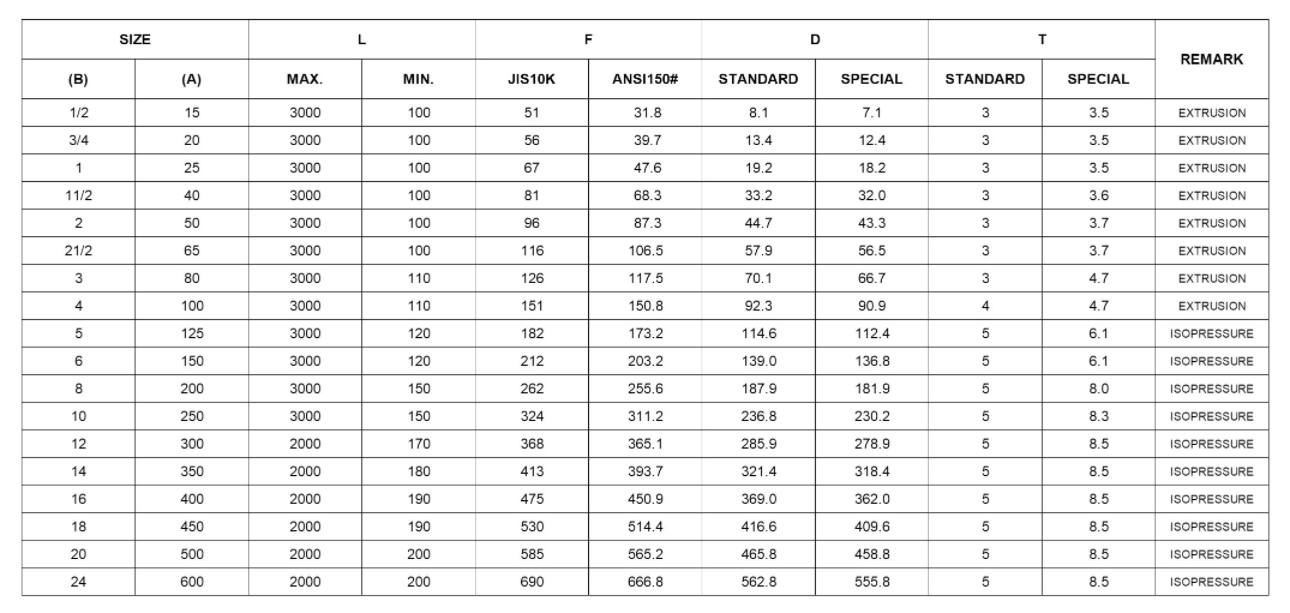
Nominal Diameter Range: DN15 to DN1200 (1/2" to 48")
-
Pressure Class Ratings: PN10, PN16, ASME Class 150 (150LB)
-
Face-to-Face Standards: Custom manufactured as per Material Take-Off (MTO) specifications or strictly conforming to standard international layouts.
Material Matrix (Pressure Boundaries & Liners)
-
Carbon Steel Substrates: ASTM A106 Grade B (Seamless Carbon Steel Pipe for High-Temperature Service), ASTM A53 Grade B
-
Stainless Steel Substrates: ASTM A312 Grade 304, 316, 316L (For marine or highly corrosive external environments)
-
Lining Materials: Premium Virgin PTFE, High-Performance Melt-Processable PFA
International Standards Compliance
To comply with global engineering procurement standards and quality insurance protocols, all design, manufacturing, and testing workflows conform to the following specifications:
-
Design & Manufacturing Standards: GB/T 12237, API 6D
-
Inspection & Hydrostatic/Pneumatic Testing: GB/T 13927, API 598
-
Face-to-Face Core Dimensions: GB/T 12221, ASME B16.10
-
Flange Connection Configurations: HG/T 20592, DIN 2501, EN1092-1, ASME B16.5, JIS 10K
Industrial Sector Applications
The specific material combinations and technical compliance profiles make these PTFE/PFA lined systems suitable for the containment and isolation of highly aggressive chemical flows across diverse industrial sectors:
-
Chlor-Alkali Infrastructure: Engineered to handle wet chlorine gas, high-concentration sodium hydroxide (caustic soda), and hydrochloric acid recirculation systems without material degradation.
-
Pharmaceutical and Biochemical Synthesis: Ideal for processing highly reactive organic acids, solvents, and APIs. The ultra-smooth fluoropolymer liner surfaces minimize product adhesion, facilitate CIP (Clean-in-Place) procedures, and prevent metal-ion contamination.
-
Semiconductor & Electronics Chemical Delivery: Used for the ultra-pure fluid handling of electronic-grade acids, chemical etching solutions, and high-purity deionized water loops.
-
Petroleum Refining & Petrochemical Plants: Deployed in sulfuric acid alkylation units, sour water strippers, and processes handling highly corrosive fluid catalysts or hydrocarbon mixtures containing aggressive acidic fractions.
-
Industrial Inorganic Chemical Production: Safe handling of aggressive acids during mass production, transfer, and storage operations involving concentrated nitric, hydrofluoric, and phosphoric acids.
-
Nitrogen and Phosphatic Fertilizer Manufacturing: Highly effective in managing the acidic slurries, volatile ammonia compounds, and corrosive intermediaries inherent to commercial fertilizer synthesis.
-
Extractive Metallurgy and Mining Operations: Proven reliability in acid-leaching lines, copper/gold electrowinning solutions, solvent extraction processes, and aggressive waste tailings remediation systems.
Rigorous Quality Control & Inspection Protocols
To guarantee zero leakage and structural reliability in extreme industrial applications, every component undergoes a strict quality assurance sequence before shipping:
-
Visual and Dimensional Verification: Inspection of liner surface smoothness, flange face concentricity, and total compliance with MTO geometric requirements.
-
Electrostatic Spark Testing (Non-Destructive Testing): 100% of the internal lined surface is subjected to a high-voltage spark test (typically 10kV to 25kV depending on liner thickness) to identify and reject any micro-pinholes, cracks, or structural voids.
-
Hydrostatic Pressure Containment Testing: Pressure boundary validation conducted in strict compliance with API 598 or GB/T 13927 standards to confirm total structural integrity under elevated mechanical stress.
Recommended products
Recommended products


