PTFE & PFA Lined Spacers | Wafer Style Pipe Spacers
Product Information
Size:
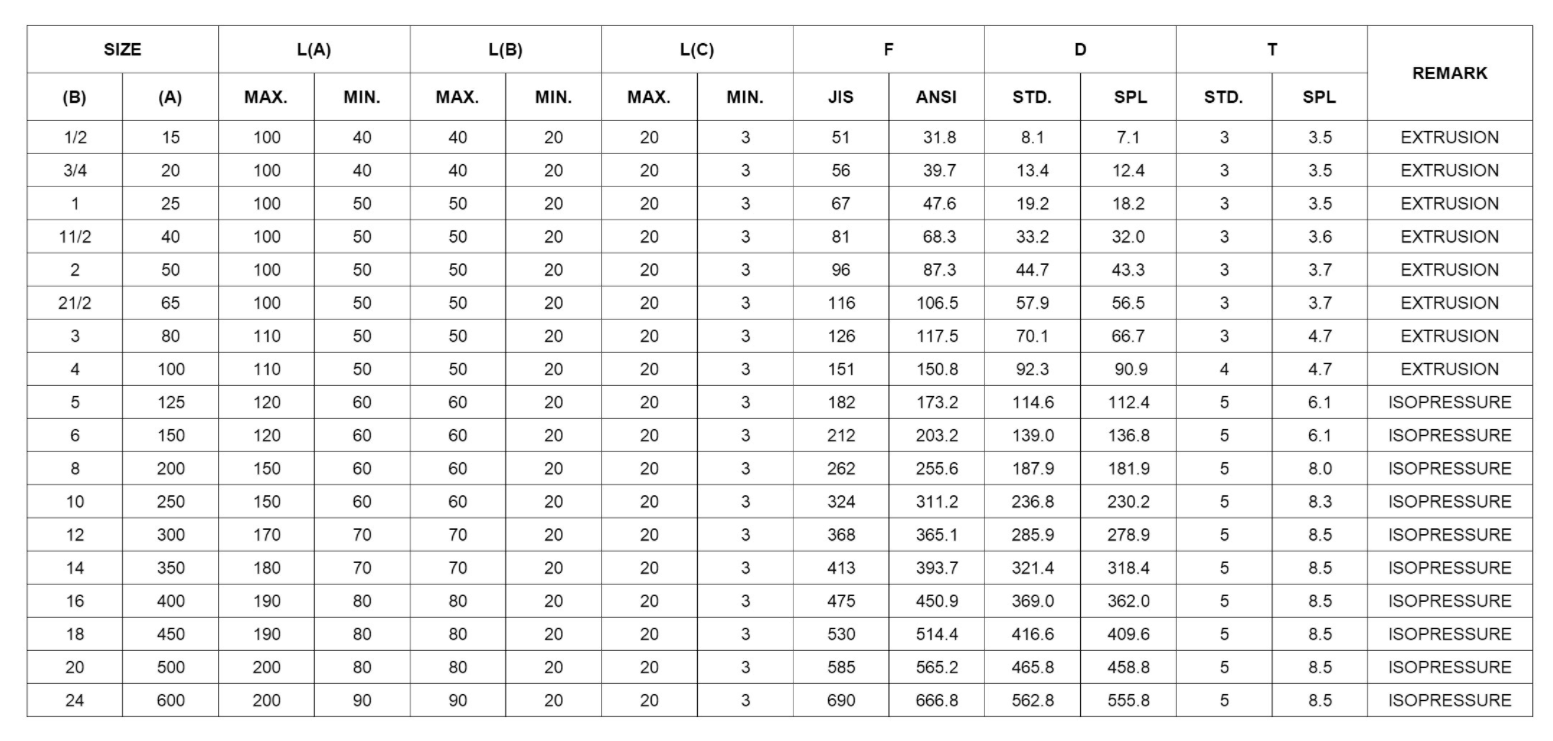
DN25~DN250
Pressure:
PN10, PN16, 150LB
Material:
WCB, CF8, CF8M, CF3M
Liner:
Perfluoroalkoxy Alkane, Fluorinated Ethylene Propylene
Face-to-face dimension:
DIN 3202


In industrial fluoropolymer-lined piping systems, providing standard flanged pipe spools for very short structural lengths is often impractical. When the linear distance between two components is too short, nuts and bolts cannot fit properly, or there is insufficient clearance to accommodate standard welding and flanged configurations.
To bridge these short operational dimensions while maintaining total corrosion isolation, Wafer-Style Spacers are deployed. These compact components are designed to be bolted directly between two standard mating flanges, fitting snugly within the Inside Bolt Circle (I.B.C.) dimensions. By introducing these components, piping engineers can make precise length adjustments, accommodate instrument installations, and maintain full system pressure containment without introducing weak points into highly corrosive chemical process lines.
Structural Classifications & Manufacturing Types
To balance mechanical performance, structural pressure limits, and manufacturing economics across varying linear lengths, spacers are engineered into three distinct designs based on the required nominal width:
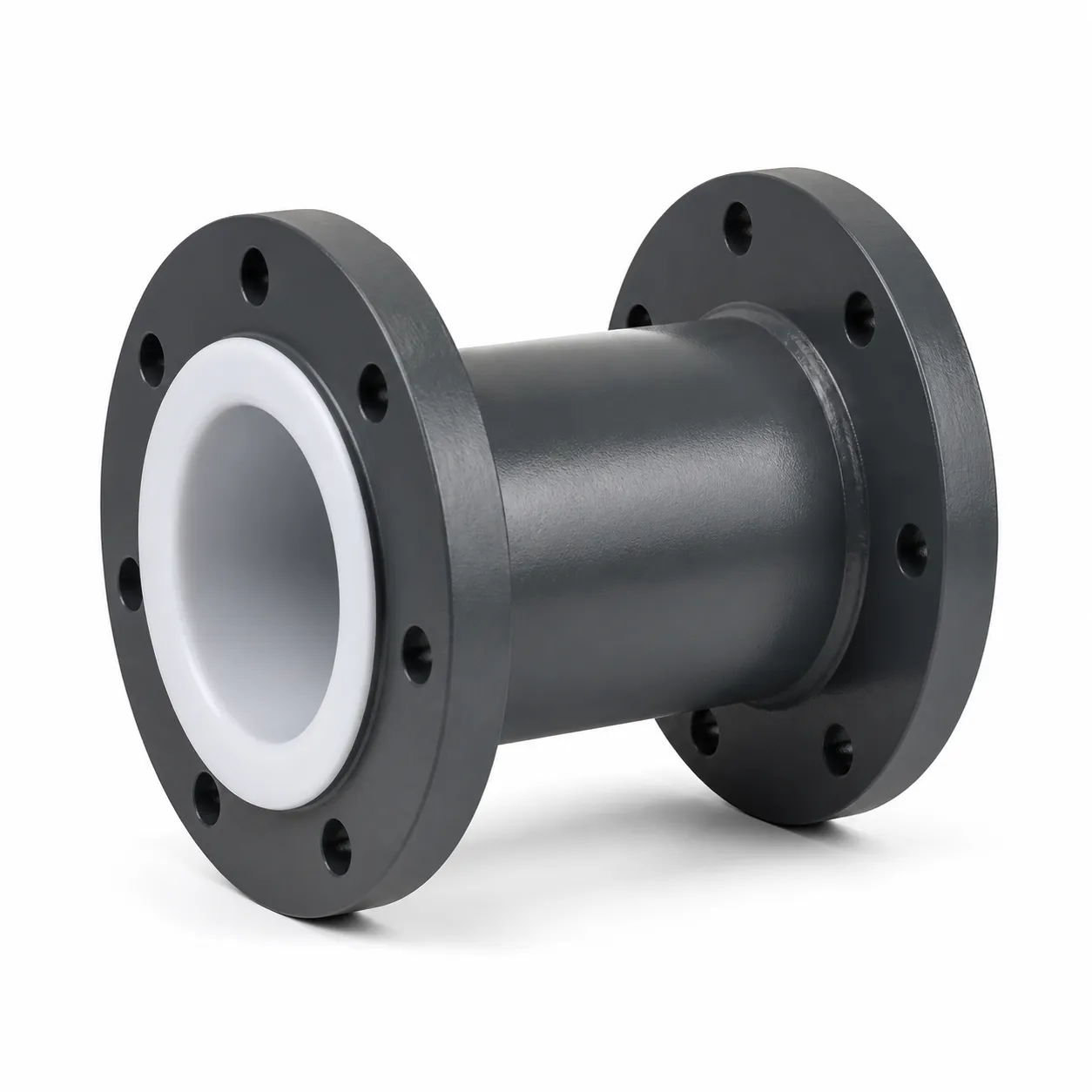
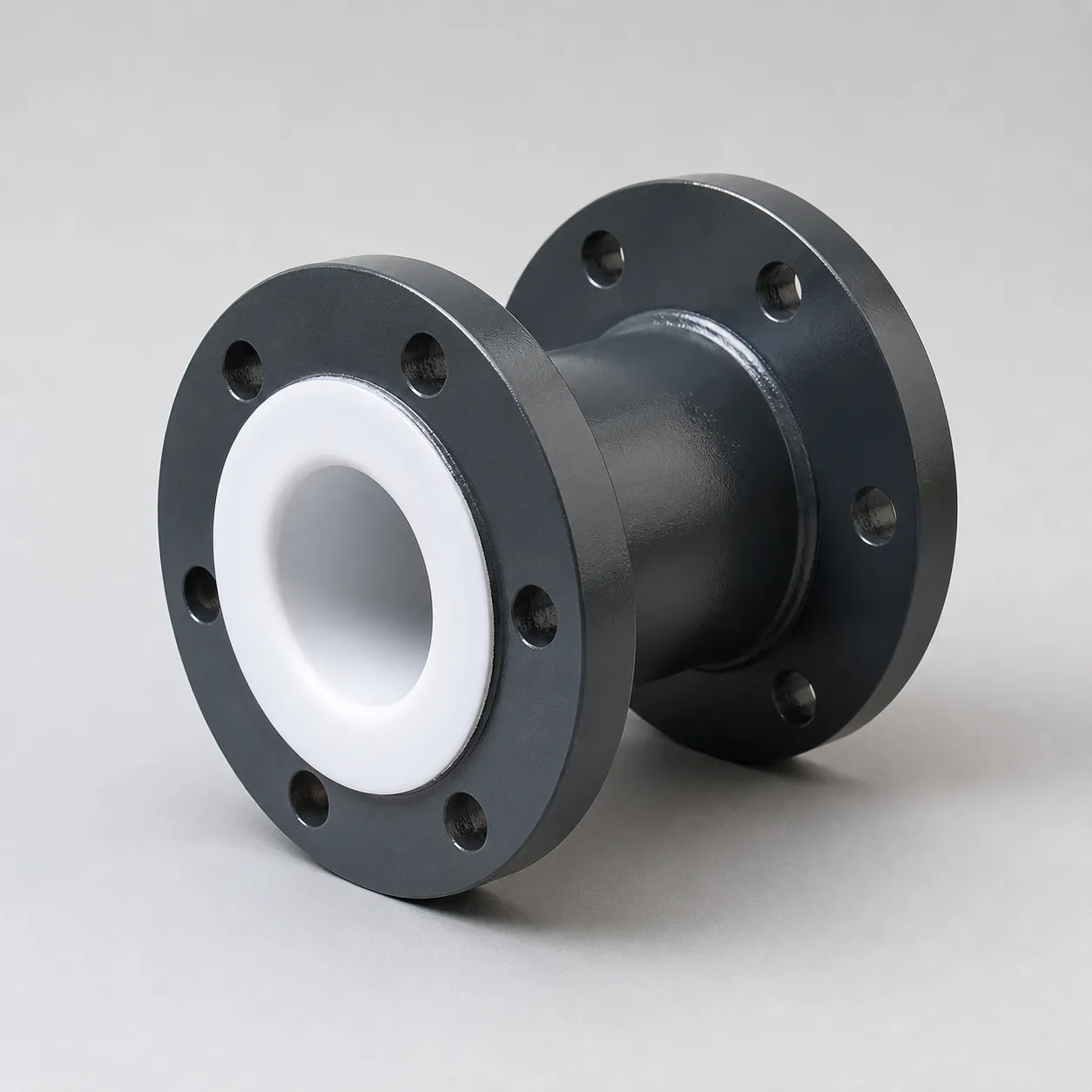
Type A: Flanged Spacers for Longer Dimensions
-
Design Structure: Engineered for the longer side of the spacer spectrum. This type features a carbon steel or stainless steel host pipe welded with stub ends and lined internally with heavy-wall fluoropolymer.
-
Application: Ideal when the dimensional gap is wide enough to allow for structural metal fabrication but still too short for standard dual-movable-flange spools.
Type B: Lined Steel Spacers for Intermediate Dimensions
-
Design Structure: Machined from a solid steel spacer bar and lined internally with high-density PTFE/PFA.
-
Application: Provides high compressive strength and crush resistance under heavy flange bolting torques while keeping a highly compact linear profile.
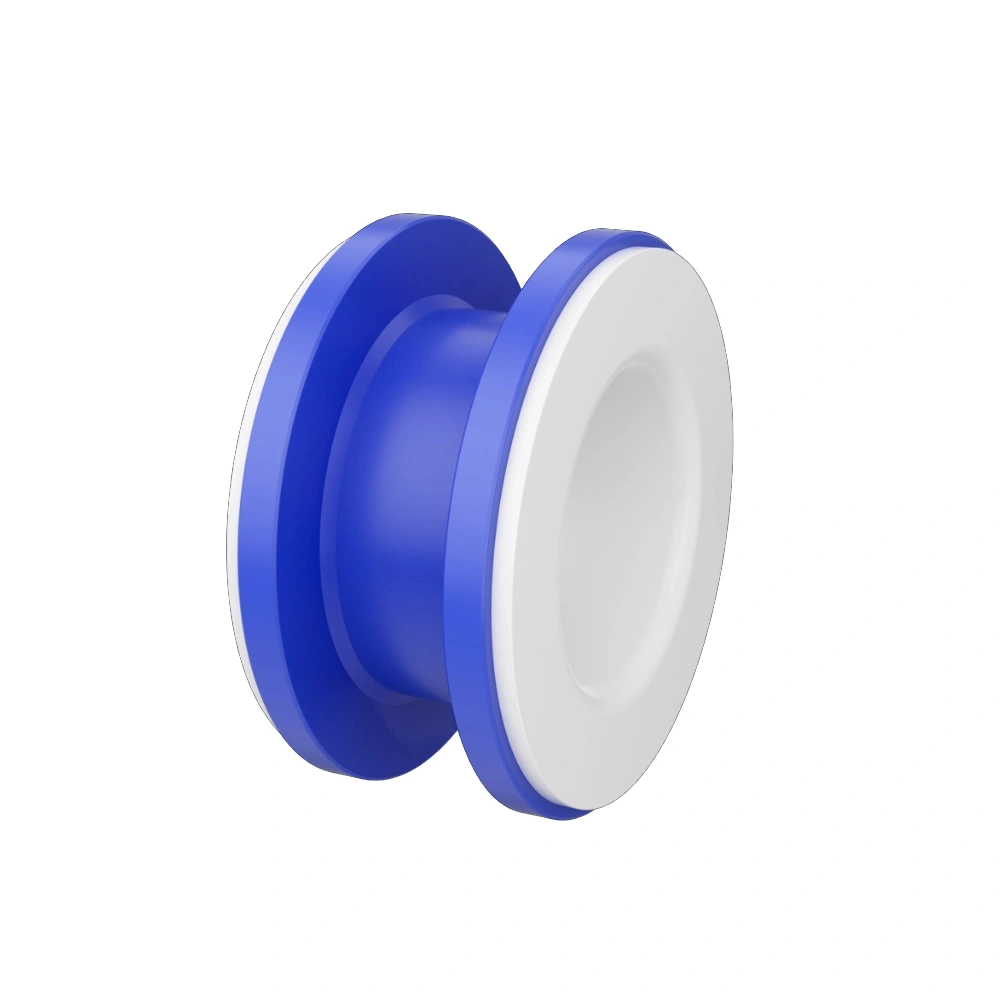
Type C: Solid Fluoropolymer Spacers for Shortest Dimensions
-
Design Structure: Machined entirely from premium, solid virgin PTFE bars without an outer metal housing.
-
Application: Deployed for the shortest length requirements (down to 3 mm thickness). Because it is entirely solid plastic, it offers complete corrosion resistance on both internal and external boundaries, making it highly effective for hazardous environment washdowns.
Premium Material Options & Structural Substrates
-
Outer Metallic Boundaries (Type A & B): High-tensile Carbon Steel (ASTM A106 Gr.B, ASTM A53 Gr.B) or Austenitic Stainless Steel (304, 316, 316L, CF8, CF8M) to handle high piping stresses and external mechanical impacts.
-
Lining & Solid Materials: Premium Virgin PTFE, High-Performance Melt-Processable PFA, or FEP.
-
Processing Quality: Materials are paste-extruded or high-pressure isostatically molded to eliminate structural microporosity, providing high density and advanced permeation resistance against volatile acids and aggressive chemical media.
Technical Parameters & Standard Compliance
System Performance Specifications
-
Nominal Size Spectrum: DN15 to DN600 (1/2" up to 24" nominal bore; extended dimensions up to DN1200 available upon request).
-
Pressure Class Compatibility: PN10, PN16, and ASME Class 150 (150LB).
-
Face-to-Face Dimensions: Strictly conforming to international spacer metrics, DIN 3202 standards, or custom manufactured as per precise client Material Take-Off (MTO) dimensions.
-
Flange Configuration Matching: Configured to integrate with ASME B16.5, DIN 2501, EN1092-1, HG/T 20592, and JIS 10K installations.
Primary Industrial Applications
These compact spacers are critical component problem-solvers across multiple heavy chemical processing fields:
-
Chlor-Alkali Plants: Used inside tightly configured cells for wet chlorine loops and caustic soda transfer manifolds.
-
Chemical Processing Industries (CPI): Inserted between instrumentation points, flow meters, or specialized equipment on concentrated sulfuric, hydrochloric, and nitric acid lines.
-
Pharmaceutical and Electronic Chemicals: Used as non-contaminating connections that preserve fluid purity and resist chemical cross-reaction or metallic extraction during CIP processes.
-
Petrochemical Refining: Positioned within sour water lines, process instrumentation manifolds, and chemical injection stations.
Quality Assurance & Mechanical Control
To ensure 100% dependable sealing and isolation performance within critical chemical lines, every spacer configuration complies with rigid quality verification metrics:
-
High-Voltage Electrostatic Spark Testing: Applied across the entire interior and sealing face profile (10kV to 25kV depending on structure) to guarantee zero microscopic voids or pinholes in the polymer layer.
-
Parallelism & Flange Face Inspection: Precision machining tolerances are verified to ensure both gasket faces are perfectly parallel, preventing localized gasket relaxation or chemical weeping under full-bolt loading conditions.