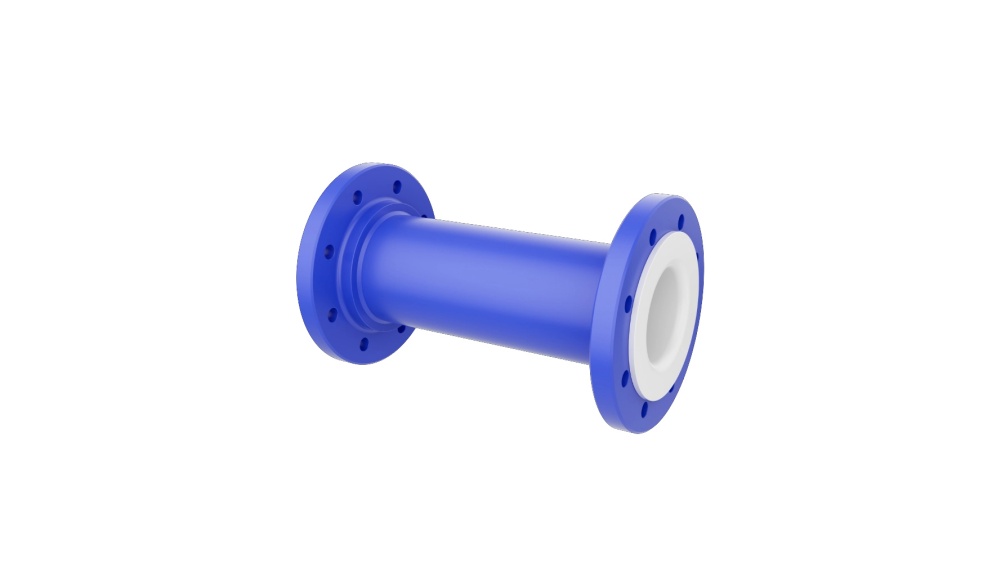
PTFE Fittings Guide: Lined Pipe, Elbow, Tee, Reducer & Cross Solutions
News Details
Understanding PTFE Fittings for Industrial Piping Systems
Starting a new industrial piping project demands careful component selection. PTFE fittings have become the standard choice for chemical processing facilities. Their unique properties solve challenges that traditional metal fittings cannot address. Engineers across the globe trust these components for aggressive fluid transport. The material offers unmatched resistance to corrosion and chemical attack. Furthermore, its non-stick surface prevents dangerous material buildup over time. Modern manufacturing standards ensure consistent quality in every PTFE fitting produced. Rigorous testing verifies performance before components reach the end user. Therefore, facility managers can specify these products with complete confidence. Moreover, global supply chains now support rapid delivery of standard configurations. Distributors maintain adequate stock levels for common sizes and types. This availability reduces project lead times across all major industrial regions. Standard industry certifications accompany every properly manufactured fitting. These documents verify material compliance with international performance standards. Consequently, procurement teams can source components from multiple qualified suppliers.
Why PTFE Fittings Excel in Harsh Chemical Environments
Chemical plants operate under conditions that destroy ordinary piping materials. Strong acids and caustic solutions attack metal surfaces without mercy. PTFE fittings resist nearly all industrial chemicals with complete reliability. A PTFE lined pipe maintains smooth flow characteristics throughout its service life. Reduced friction means lower pumping costs and improved energy efficiency. These operational benefits translate directly into measurable cost savings for plant operators. The material also handles extreme temperature ranges without losing performance. But even the best material requires sound engineering to deliver results. Proper system design accounts for thermal expansion and contraction forces. Maintenance teams report significantly fewer shutdowns after switching to PTFE. The long service life reduces replacement part inventory requirements. Therefore, the total cost of ownership favors PTFE over traditional alternatives.
Exploring Common PTFE Lined Fitting Configurations
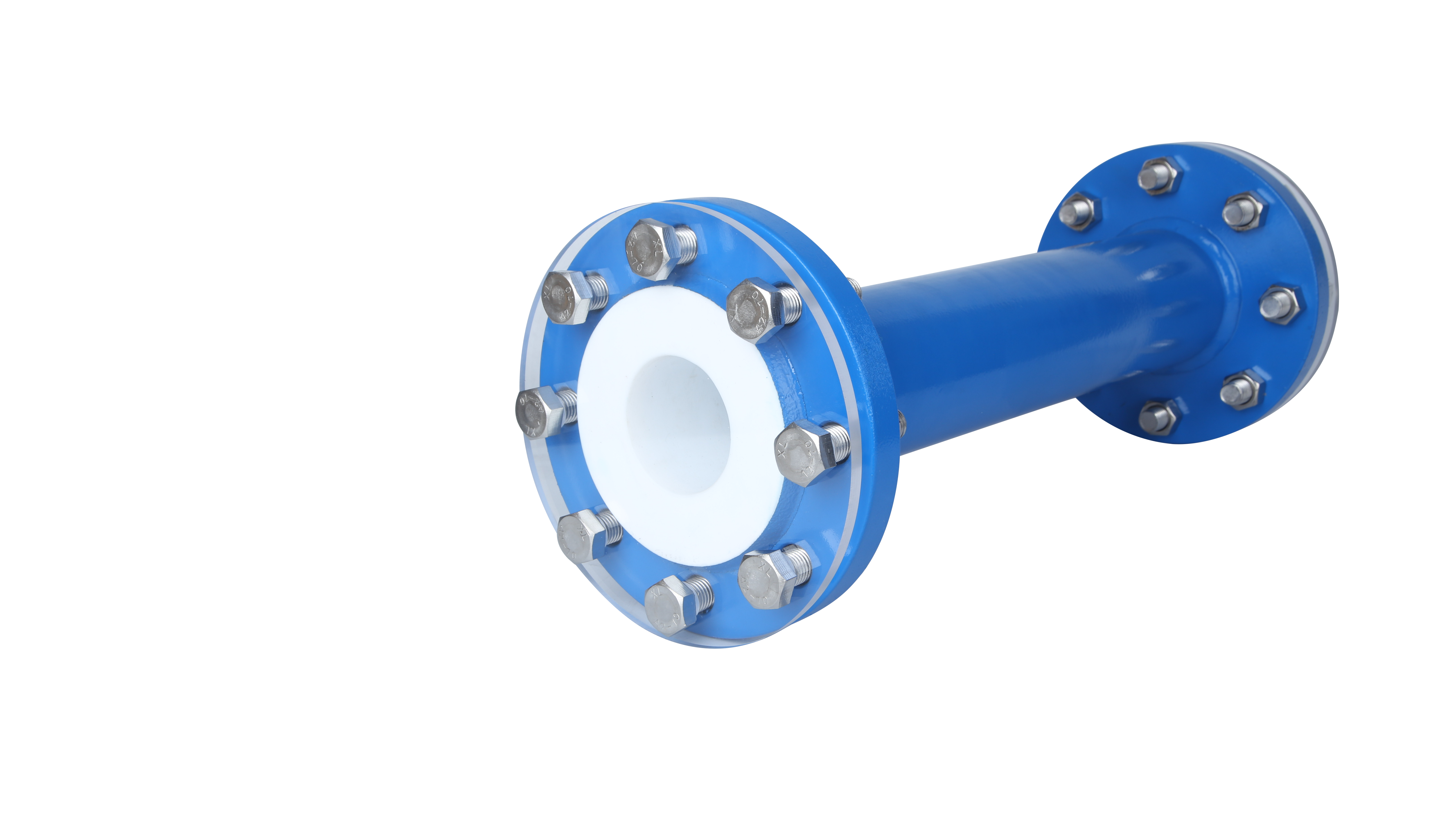
Directional changes in piping require specialized and reliable fittings. The PTFE lined elbow enables smooth turns at various angles. It preserves the chemical barrier throughout the entire bend radius. For flow distribution points, the PTFE lined tee proves indispensable. It creates branch connections without introducing weak points. Similarly, the PTFE lined cross handles complex four-way intersections with ease. Diameter transitions present another common design challenge for engineers. The PTFE lined reducer provides a standardized solution for size changes. It eliminates the need for custom fabrication at pipe diameter junctions. A ptfe spacer also plays an important role at flange connections. It maintains correct gasket compression and prevents flange damage. Proper alignment of every component ensures leak-free operation from the start.
How to Choose the Right PTFE Fittings for Your Application
Selecting the ideal configuration begins with a thorough process analysis. The chemical media type determines the required lining thickness and grade. Operating temperature and pressure create additional material selection constraints. In addition, flow rate requirements influence the optimal pipe diameter. System pressure drop calculations guide the selection of elbow radius. Undersized fittings create bottlenecks that reduce overall system capacity. Cost considerations naturally factor into every procurement decision. However, the lowest purchase price rarely delivers the best long-term value. Quality PTFE lined fittings consistently outperform cheaper alternatives over decades. Working closely with experienced manufacturers helps avoid common pitfalls. They can recommend the right configuration for your specific operating conditions. A collaborative approach to specification ensures optimal system performance.
Installation Guidelines for Reliable PTFE Fitting Performance
Even premium components can fail when installed without proper care. All sealing surfaces must be inspected for damage before assembly. Dirt on gasket faces causes leaks regardless of component quality. For example, an improperly torqued PTFE lined elbow develops stress cracks. The same risk applies to tee connections and reducer joints alike. Manufacturer torque charts provide correct values for every fitting size. Bolts should always be tightened in a controlled cross-pattern sequence. Furthermore, staged tightening prevents uneven gasket compression and early failure. Skipping this step shortens component life and increases replacement costs. Routine visual inspections catch small issues before they escalate. Also, monitoring gasket compression identifies loosened connections early. In short, proper installation and upkeep protect your investment for years.