PTFE Spacer Solutions for Industrial Piping | Flange Spacer Ring Applications
News Details
Understanding the Role of PTFE Spacers in Piping Systems
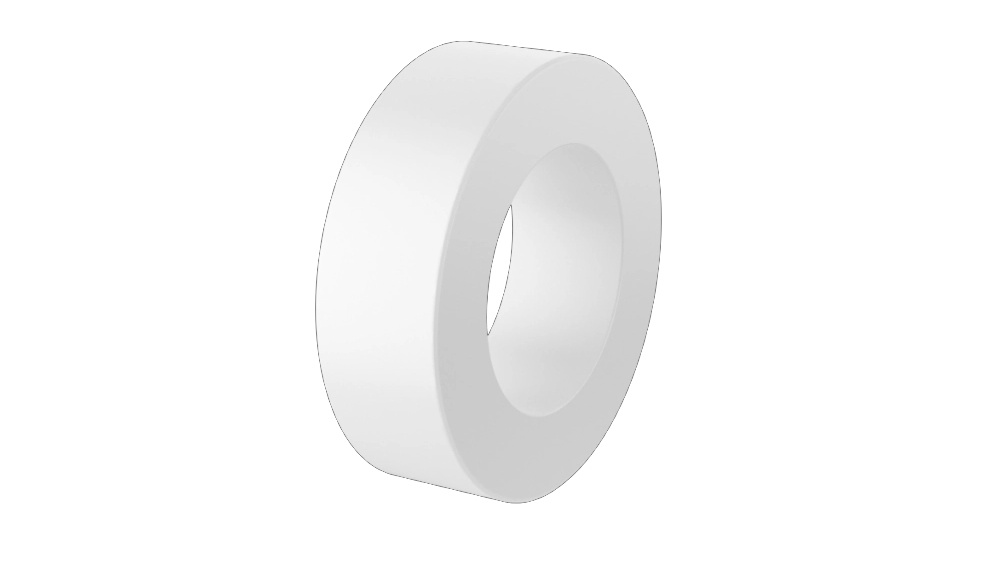
Industrial piping systems demand precision-engineered components for safe and reliable operation. A PTFE spacer plays a vital role in this demanding ecosystem. It sits between flange connections to prevent direct metal-to-metal contact. Engineers often overlook these small but critically important separation devices. But neglecting proper flange spacing invites costly leaks and unplanned downtime. A flange spacer ring delivers the solution with remarkable effectiveness and simplicity. A spacer flange creates a controlled gap between two mating pipe ends. This engineered gap absorbs thermal expansion and mechanical stress during continuous operation. PTFE material offers exceptional chemical resistance for this demanding industrial task. For example, chemical processing plants usePTFE spacer rings around the clock every day. These rings sit securely inside bolted flange assemblies under constant pressure. They maintain precise alignment while blocking corrosive fluid bypass entirely. Additionally, temperature fluctuations cause pipes to expand and contract repeatedly over time. A PTFE lined spacer absorbs these dynamic movements without cracking or deforming. This protection extends across the entire connected piping network reliably. Flange spacers also prevent galvanic corrosion between dissimilar metal flanges effectively. Their non-stick surface reduces maintenance frequency and associated labor costs significantly. This simple addition delivers measurable improvements in overall system uptime.
Key Benefits of Flange Spacer Rings
Flange spacer ring products provide exceptional sealing under variable operating conditions worldwide. Their low friction coefficient simplifies both assembly and disassembly procedures remarkably. Maintenance crews complete inspections faster with noticeably less physical effort required. But the real advantage emerges in long-term durability and proven reliability. PTFE withstands continuous exposure to temperatures up to 260 degrees Celsius safely. This wide thermal operating range suits demanding industrial environments across the globe. Also, PTFE spacer components resist nearly all known industrial chemicals and aggressive solvents. Strong acids and oxidizing agents cannot attack the inert material structure whatsoever. This chemical resistance translates directly into extended service intervals and lower costs. Furthermore, flange ring spacer designs effectively dampen vibration transfer between adjacent pipe sections. They absorb mechanical shock originating from connected pumps and compressors consistently. This damping action significantly reduces fatigue crack risks over decades of service.
Selecting the Right Spacer Flange for Your Application
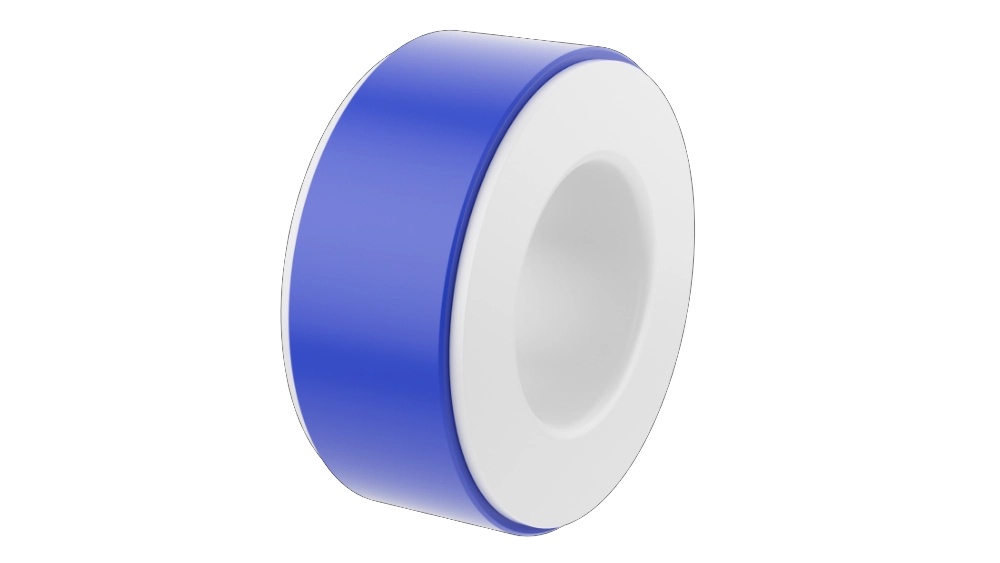
Choosing the correct spacer flange demands careful evaluation of system design parameters. Pressure ratings and flange standards must match the existing installation exactly and completely. Pipe diameter, wall thickness, and media type all influence final selection decisions. Similarly, the operating environment determines the optimal spacer material grade for each application. High-purity pharmaceutical applications require virgin PTFE without any filler additives whatsoever. Glass-filled PTFE spacers deliver superior compressive strength under heavy mechanical loads. Engineers should evaluate custom flange spacers for non-standard or legacy connection configurations carefully. Standard catalog products may not fit older equipment with modified flange dimensions exactly. Custom machining guarantees a perfect gasket fit for every unique application requirement. Therefore, consulting experienced PTFE spacer manufacturers before procurement proves essential and wise. They recommend optimal thickness, diameter, and material specifications for your operating conditions. Proper design prevents both compression set and premature joint leakage failures consistently.
Installation and Maintenance Best Practices
Proper installation of a PTFE spacer begins with thoroughly cleaned flange faces. Any trapped debris between mating surfaces causes uneven compression distribution across the seal. This irregular loading pattern leads directly to gasket failure and fluid leakage problems. Always follow the manufacturer-recommended bolt torque sequence during assembly work carefully. Cross-tightening in a star pattern prevents the spacer from shifting out of position. A calibrated torque wrench ensures consistent and uniform clamping force application every time. Routine inspection schedules must include detailed flange spacer ring condition checks regularly. Technicians should look for signs of extrusion or chemical attack at exposed edges. Replace any spacer showing visible deformation, discoloration, or thickness reduction immediately without delay. Consequently, well-maintained PTFE spacers contribute meaningfully to overall plant safety records today. They prevent fugitive emissions from escaping into the surrounding atmosphere effectively. This performance supports both regulatory compliance and corporate environmental responsibility goals.