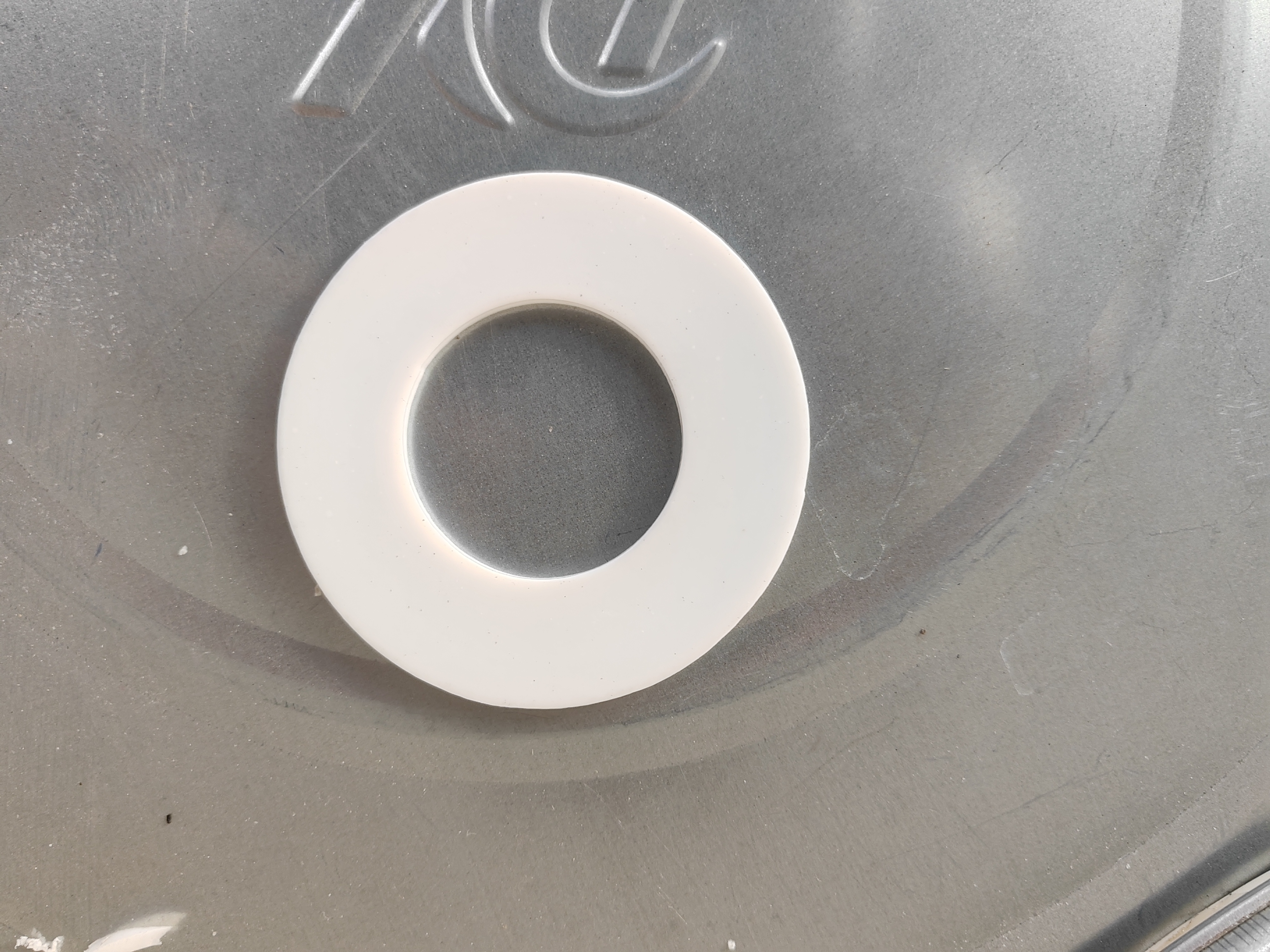
PTFE Gasket Material: Properties, Applications and Selection Guide
News Details
What Makes PTFE Gasket Material Unique
To begin with, PTFE gasket material stands out for its exceptional chemical resistance. It withstands almost all aggressive media with ease. This remarkable property makes it indispensable across many industries today. Furthermore, the material offers an extremely wide temperature range for operations. It performs reliably from cryogenic levels up to 260 degrees Celsius. Such thermal stability is rare among common sealing materials. In addition, PTFE exhibits an incredibly low coefficient of friction. This reduces wear and extends the service life of equipment significantly. Engineers value this smooth surface property for dynamic sealing applications too. Also notable is the material’s excellent electrical insulation capability. It does not absorb water or swell under moisture exposure. These combined traits make PTFE a truly versatile engineering material. Moreover, pure PTFE has a non-stick surface that prevents media buildup. This self-cleaning characteristic minimizes maintenance needs over time. Operators can rely on consistent performance without frequent part replacement.
Key Industrial Applications of PTFE Gaskets
First, the chemical processing sector depends heavily on ptfe gaskets for safety. They seal flanges in pipelines carrying corrosive acids and solvents. Without reliable seals, dangerous leaks could cause serious accidents daily. Similarly, the pharmaceutical industry requires ultra-pure sealing solutions for production lines. Ptfe gaskets meet strict FDA standards for food and drug contact. Their inert nature ensures no contamination reaches sensitive medical products. Meanwhile, in the oil and gas sector, these seals handle harsh downhole conditions. They resist sour gas and high-pressure steam without degradation. Field engineers trust ptfe gaskets for critical wellhead and refinery connections. The semiconductor industry also uses ptfe gasket material extensively in wafer fabrication. Ultra-high purity grades prevent particle contamination during etching and cleaning steps. Any impurity could render an entire batch of chips useless. Finally, power generation plants install ptfe gaskets in heat exchangers and condensers. They maintain tight seals under thermal cycling and vibration loads. Long-term reliability directly impacts plant uptime and operational cost savings.
Comparing Virgin PTFE Gasket and Filled Variants
To start, a virgin ptfe gasket delivers the highest chemical purity among all options. It contains no additives or fillers that could compromise its inertness. Laboratories and food processors often prefer this type for its unmatched cleanliness. However, a virgin ptfe gasket has a notable limitation in mechanical strength. It tends to creep under sustained load and high pressure conditions. Engineers must account for this deformation when designing flange assemblies. To address these weaknesses, manufacturers add fillers like glass or carbon. Filled grades offer improved compressive strength and reduced creep rates. The tradeoff is a slight reduction in chemical resistance for some applications. Another consideration is the cost difference between material grades. Virgin PTFE typically commands a premium due to stricter processing requirements. Filled variants can offer better value for less demanding sealing environments. Consequently, understanding these differences helps buyers make informed procurement choices. A virgin ptfe gasket is ideal for purity-critical applications specifically. For general industrial use, filled grades often provide the best balance of properties.
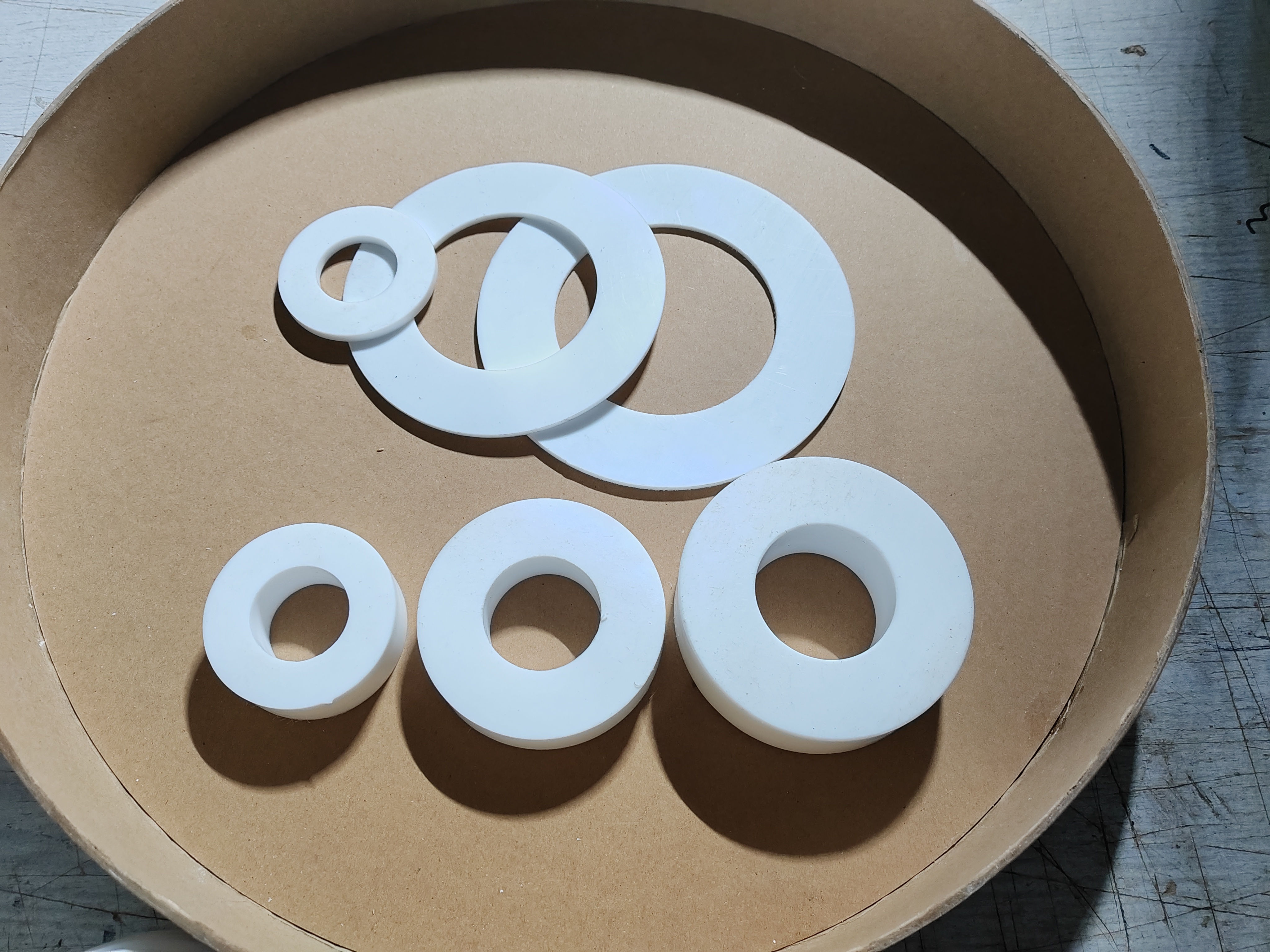
How to Select the Right PTFE Gasket Tape and Sheet
Initially, selecting the correct ptfe gasket tape starts with understanding your flange type. Full-face gaskets require sheets cut to match bolt patterns exactly. Tape forms work best for narrow sealing faces and irregular joint geometries. Density is another critical factor when choosing ptfe gasket tape products. Higher density tape offers better creep resistance under compression. However, it may require more bolt torque to achieve proper gasket seating. Additionally, sheet thickness directly affects the seal’s ability to conform to surface irregularities. Thicker sheets compensate for flange imperfections and minor misalignments more effectively. But excessive thickness can lead to higher relaxation and leakage paths. Meanwhile, the operating temperature and pressure must guide all material selection decisions. Always verify that the chosen product matches actual service conditions accurately. Consulting manufacturer data sheets prevents costly application failures down the line. Surface preparation also plays a vital role in achieving leak-free joints. Flange faces must be clean and free of rust or old gasket residue. Proper installation torque sequences ensure uniform compression across the entire sealing surface. Therefore, a systematic selection approach yields the most reliable sealing outcomes. Define operating conditions first, then match material properties to requirements. Finally, follow proper installation procedures for long-lasting performance of your ptfe gaskets.