PTFE Lined Fittings for Reliable Chemical Processing Systems
News Details
PTFE Lined Fittings for Reliable Chemical Processing Systems
In modern chemical processing plants, fluid handling demands exceptional material performance. Standard metal pipes often fail under harsh corrosive conditions. PTFE lined fittings offer a proven solution for these challenging environments. Specifically, these components combine the strength of metal with chemical inertness. A thick PTFE lining inside the fitting prevents direct contact with aggressive media. This design approach extends system life and reduces unplanned downtime.
Understanding PTFE Lined Fittings and Their Design
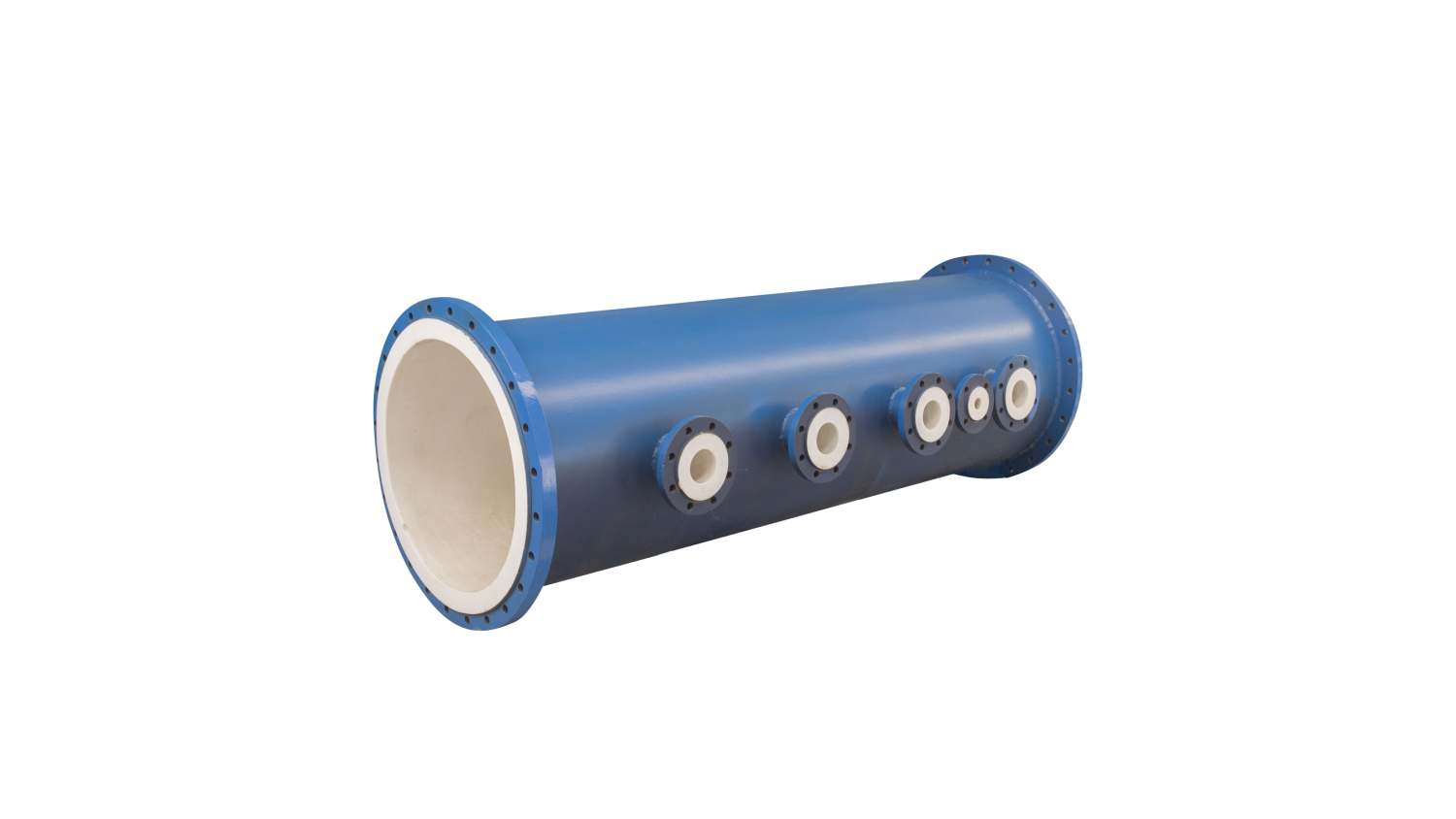
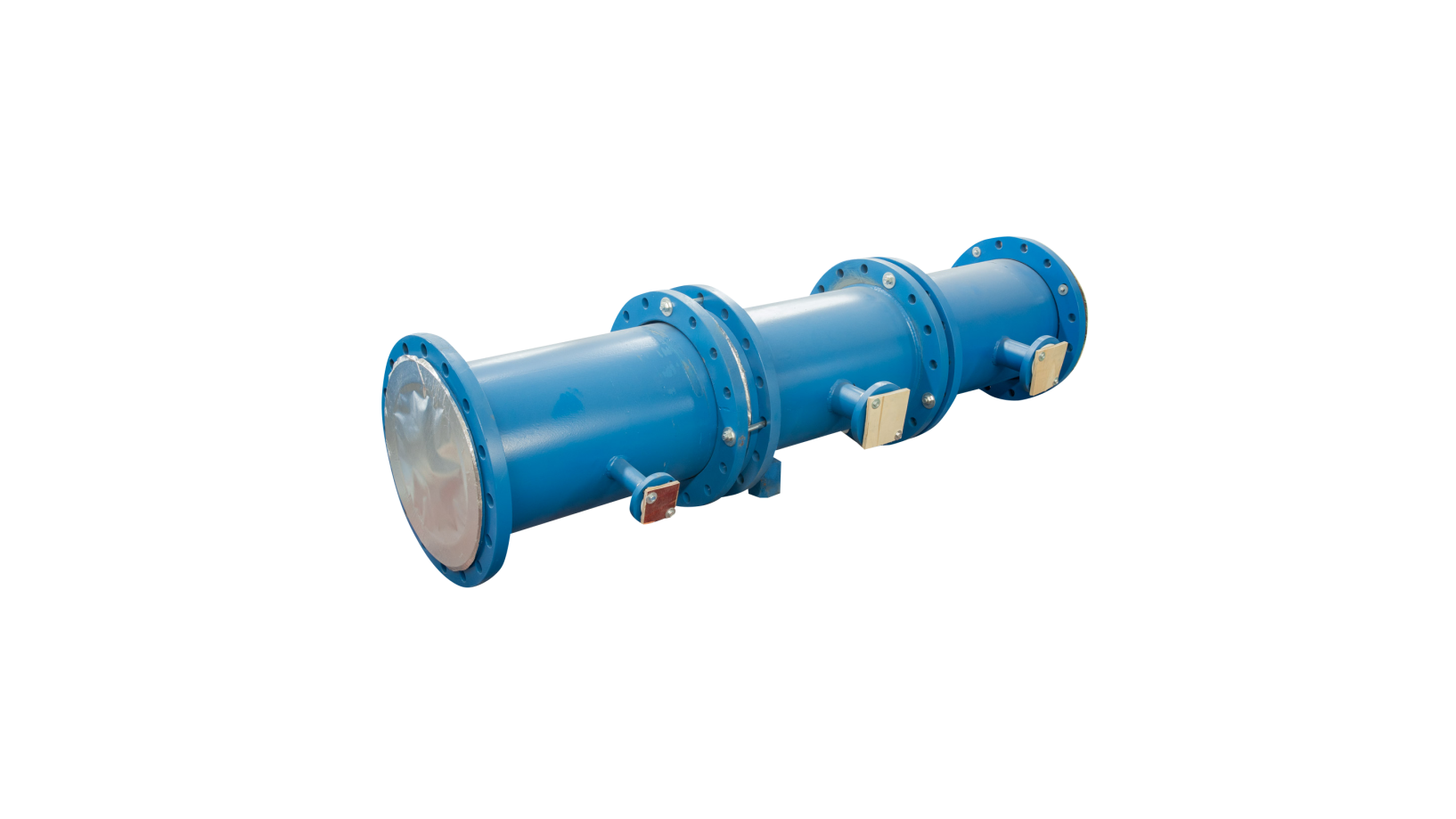
At their core, PTFE lined fittings consist of a metal housing with an inner layer. The PTFE lining is fused or mechanically locked into the fitting body. This bond must withstand thermal cycling and pressure fluctuations over time. Moreover, the manufacturing process involves precise molding and sintering techniques. Each PTFE lined component undergoes rigorous testing before shipment. Quality control ensures the lining remains intact under specified operating conditions. For instance, ptfe fittings are commonly built with carbon steel or stainless steel housings. The metal shell provides structural integrity against external forces. Meanwhile, the inner PTFE lining handles chemical exposure without degradation. Because of this dual-material construction, ptfe lined components serve in extreme environments. They resist attack from acids, bases, and organic solvents alike. Engineers often specify these parts for mission-critical fluid transfer lines.
Key Benefits of PTFE Lining in Industrial Settings
One major advantage of ptfe lining is its near-universal chemical resistance. Few materials can match PTFE when it comes to handling aggressive chemicals. This property alone makes ptfe lined fittings indispensable in many plants. In addition to chemical resistance, PTFE offers outstanding temperature tolerance. Standard ptfe lined products can operate across a broad thermal window. They perform reliably from cryogenic lows up to around 260 degrees Celsius. Another benefit lies in the non-stick surface of the PTFE lining itself. This smooth interior prevents material buildup and reduces friction losses. As a result, flow efficiency stays high and cleaning intervals become less frequent. Furthermore, ptfe lined fittings contribute to lower total cost of ownership. Reduced corrosion means fewer replacements over the system lifecycle. Maintenance teams spend less time on repairs and more time on production goals.
Common Applications for PTFE Fittings Across Industries
Across the chemical sector, ptfe fittings handle everything from sulfuric acid to chlorinated solvents. Processing facilities rely on these components for safe day-to-day operations. Any leak in these systems could lead to serious safety and environmental risks. Similarly, the pharmaceutical industry depends heavily on ptfe lined equipment. Drug manufacturing requires ultra-pure fluid pathways free from contamination. PTFE lining meets these strict cleanliness and material compatibility standards. In the oil and gas field, ptfe lined fittings manage sour gas and corrosive brines. Offshore platforms and refineries both use these specialized pipe components. They help operators comply with stringent safety and emissions regulations worldwide. Water treatment plants also benefit from ptfe lined pipe systems. Chlorine and other disinfectants corrode unprotected metal quickly. Switching to ptfe lined components significantly extends infrastructure service life.
Selecting the Right PTFE Lined Components for Your System
When choosing ptfe lined fittings, start by reviewing the chemical compatibility chart. Confirm that PTFE is suitable for your specific media at operating temperatures. Never assume compatibility without verified data from the manufacturer. Next, evaluate the pressure and temperature ratings of each ptfe lined component. The metal housing grade and flange class determine these limits. Always select fittings that exceed your maximum expected operating parameters. Also, consider the installation and maintenance requirements before placing an order. PTFE lined fittings need careful handling to avoid damaging the interior lining. Train your installation crew on proper torque values and gasket selection procedures. Finally, work with a supplier who provides full traceability and testing documentation. Reliable ptfe lining quality makes a measurable difference in field performance. A trusted partner helps you avoid costly mistakes and production interruptions.