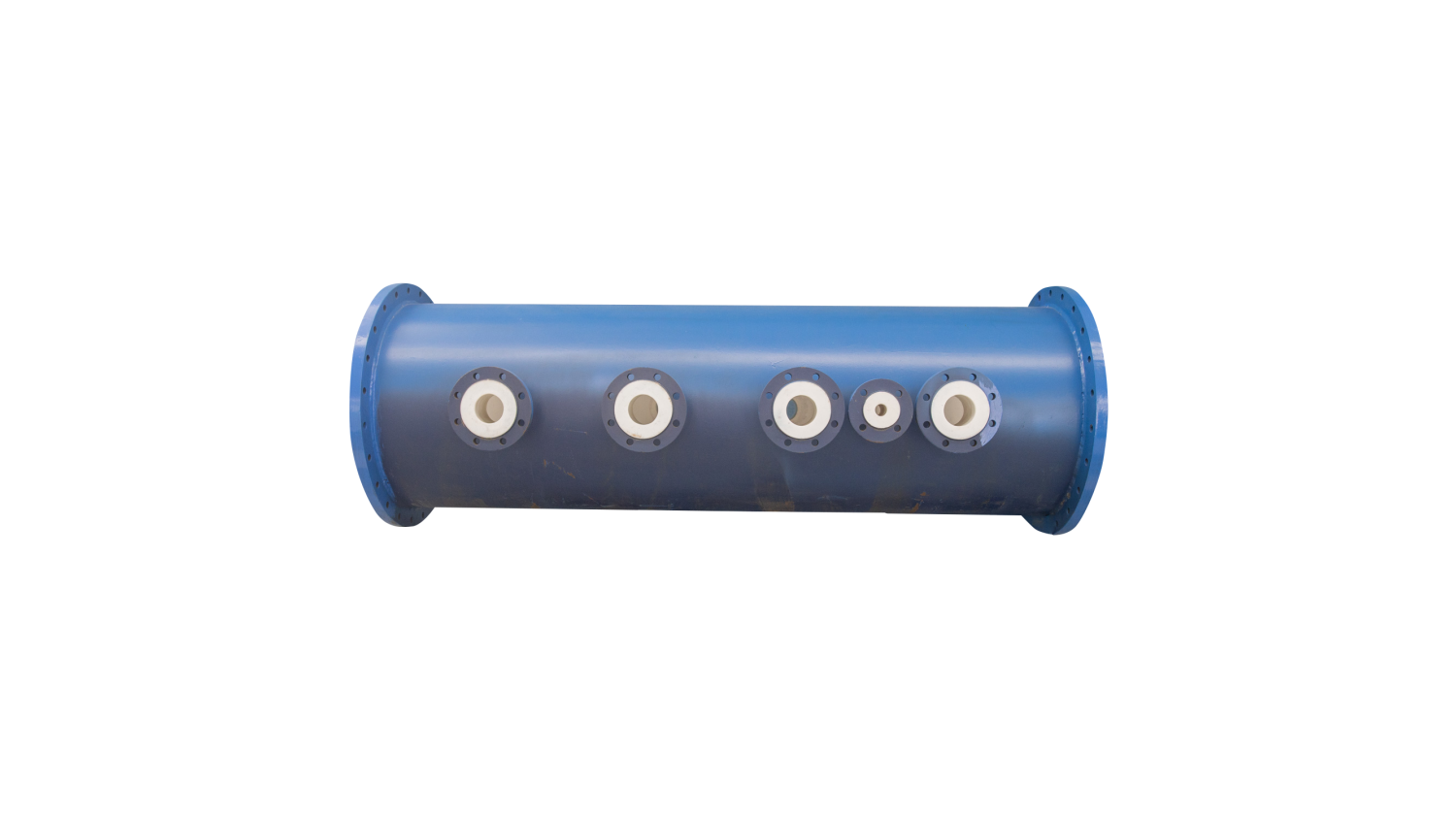
PTFE Lined Pipe: Industrial Piping Solutions for Corrosion Resistance
News Details
PTFE lined pipe delivers unmatched protection for critical fluid handling. It merges carbon steel housing with a seamless fluoropolymer liner. This design resists nearly all corrosive chemicals at elevated temperatures. Operators across chemical and pharmaceutical sectors depend on this technology daily.
Why Choose PTFE Lined Pipe for Demanding Applications
Consequently, PTFE lined pipe stands as the premier choice for aggressive media. It handles acids, solvents, and caustics without material degradation. The non-porous surface eliminates contamination risks during product transfer. Moreover, the low friction coefficient reduces pumping energy requirements significantly. This efficiency gain directly lowers operational expenses over time. In addition, these systems maintain integrity across wide temperature swings. They perform reliably from sub-zero conditions to over 200 degrees Celsius. Thermal cycling does not cause liner separation or cracking. Furthermore, this durability translates into fewer shutdowns for repairs. Plant managers value the reduced downtime this reliability provides. As a result, industries achieve longer asset lifecycles with reduced replacement costs. Maintenance teams spend less time on pipe inspections and liner repairs. The initial investment returns value through decades of dependable service. Therefore, project engineers increasingly specify this solution for new installations. It has become a benchmark for modern fluid handling projects.
Understanding PTFE Lined Pipework and Piping Design
Similarly, complete systems depend on well-designed ptfe lined pipework. Engineers calculate precise dimensions for each piping segment. They account for fluid velocity, pressure drop, and thermal expansion factors. Meanwhile, ptfe lined piping configurations must accommodate existing facility layouts. Proper support spacing prevents sagging and maintains alignment throughout. Furthermore, ptfe pipes come in standard and custom fabrication options. Manufacturers produce diameters from small bore to large industrial sizes. Each piece undergoes rigorous testing before leaving the production line. Consequently, end users receive consistent quality across every delivery batch. This uniformity simplifies both new construction and retrofit projects. In turn, successful projects rely on proper piping specification from the start. Design teams collaborate with suppliers during the planning phase. They review process conditions and recommend optimal material grades. This partnership approach prevents costly redesigns after installation begins. Early engagement streamlines procurement and shortens project timelines.
The Role of Lined Pipe Fittings in System Performance
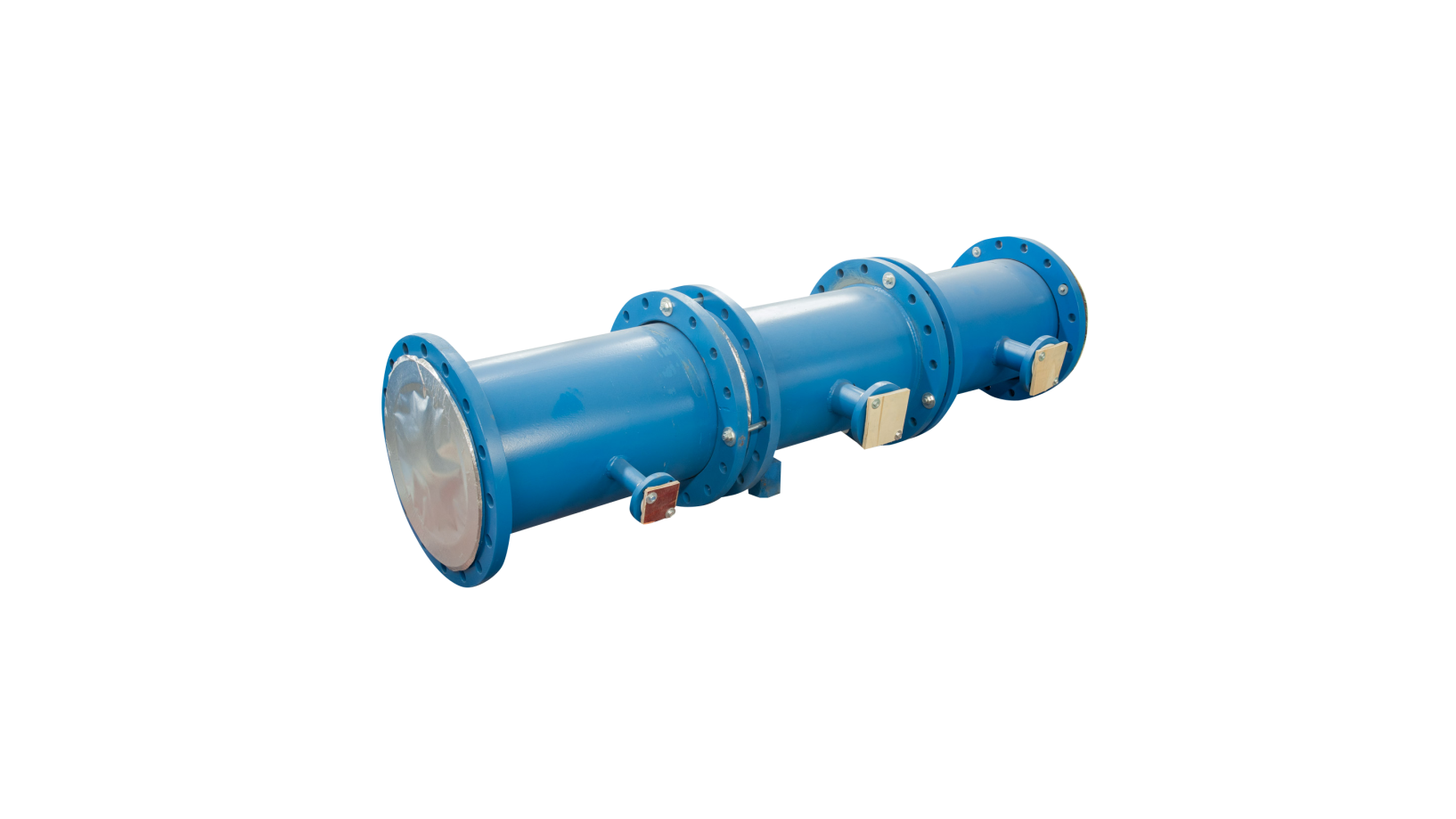
Additionally, lined pipe fittings form the backbone of any piping network. These connectors join straight pipe runs and change flow direction. Common types include elbows, tees, reducers, and instrument components. Each fitting keeps the protective liner intact through bends and junctions. Moreover, selecting the right fittings demands attention to dimensional standards. Flanged connections must align perfectly with mating equipment faces. Even minor misalignment can stress the liner and cause premature failure. Therefore, precision manufacturing remains essential for every fitting delivered. Quality certifications verify that each component meets industry regulations. Furthermore, proper installation practices protect the entire assembly long-term. Qualified technicians follow strict torque sequences during flange assembly. They verify gasket seating and conduct pressure tests before system startup. As a result, operators gain confidence in leak-free performance from day one. Routine inspections thereafter catch minor issues before they escalate.
Lined Pipes Versus Plastic Lined Pipe Solutions
Finally, lined pipes and plastic lined pipe each offer distinct advantages. The former combines metallic strength with internal chemical resistance. It handles high pressure and external mechanical loads effectively. Conversely, the latter provides lighter weight for easier handling and support structures. Furthermore, application requirements ultimately drive material selection decisions. High-temperature processes favor metal-backed lined pipe designs. Less demanding services may benefit from plastic lined pipe economics. Both approaches share the fundamental goal of preventing metal contact with process fluids. Careful lifecycle cost analysis reveals the most economical path forward. Consequently, consulting with material specialists ensures optimal system specification. They evaluate temperature, pressure, media composition, and installation constraints. This thorough analysis produces recommendations tailored to actual operating conditions. In turn, facility owners receive solutions that balance performance and budget priorities.