PTFE Lined Pipe Solutions | Industrial Pipe Systems Guide
News Details
Understanding PTFE Lined Pipe for Industrial Applications
What Is PTFE Lined Pipe
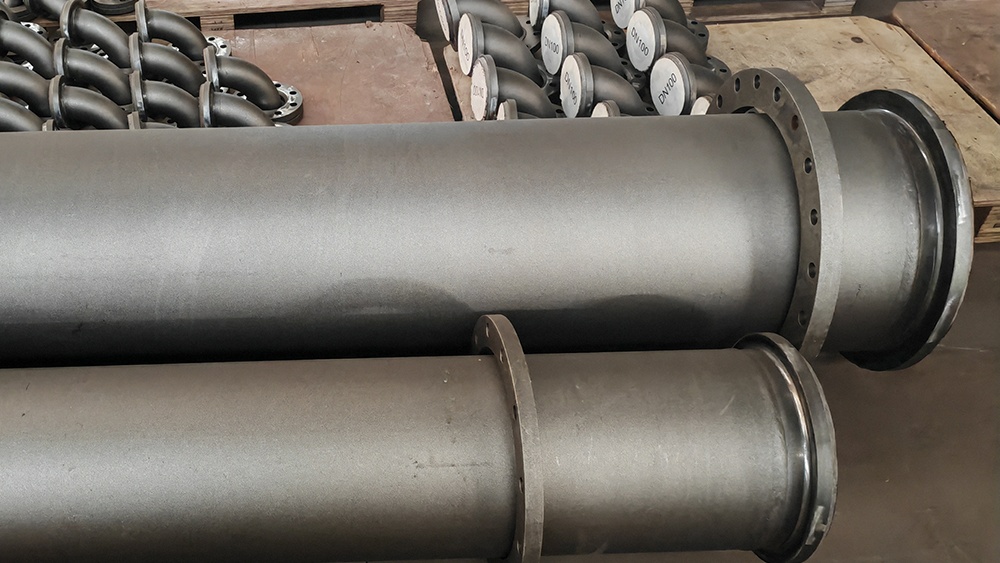
PTFE lined pipe is a composite piping solution for industry. It combines a steel outer shell with a PTFE inner liner. This design handles corrosive chemicals with ease. Additionally, the liner protects metal from aggressive media. As a result, these pipes last much longer in service. They reduce downtime in chemical processing plants. Beyond basic construction, ptfe lined pipework serves many sectors. You will find it in refineries and pharmaceutical facilities. It also supports water treatment and food processing lines. Furthermore, ptfe lined piping resists nearly all chemicals known today. It handles strong acids and organic solvents safely. This makes it a top choice for harsh industrial environments. The manufacturing process demands precision at every stage. The steel shell must be perfectly smooth inside. Then the PTFE liner is inserted and bonded under controlled heat. Quality control checks follow every batch to ensure zero defects. This guarantees long term performance in the field.
Key Benefits of Using Lined Pipes
First of all, lined pipes offer excellent chemical resistance overall. They handle strong acids and bases with ease. They also withstand high temperatures up to two hundred and sixty degrees. This wide operating range suits many demanding industrial processes. Moreover, these systems reduce maintenance costs over time. Plant operators see fewer leaks and less corrosion damage. This leads to safer and more reliable daily operations. In addition, lined pipe fittings come in many shapes and sizes. You can get elbows, tees, reducers, and spacers. Each fitting keeps the same protective lining inside. Consequently, this ensures a fully protected flow path throughout. The whole system stays safe and leak-free for years. Engineers value this reliability in critical process lines. Another key benefit is the non-stick surface property. Materials do not build up inside the pipe walls. This prevents contamination and keeps flow rates steady. As a bonus, cleaning cycles become far less frequent with these systems.
Comparing PTFE Pipes with Other Options
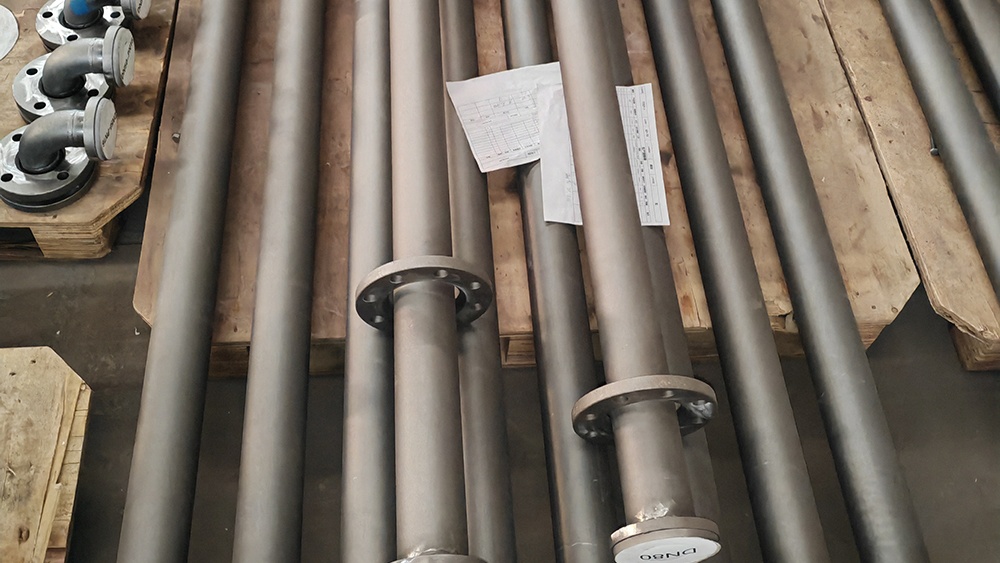
There are several types of ptfe pipes on the market today. Some use full PTFE material throughout the body. Others use a lined steel design for extra strength. The lined version costs far less than solid PTFE pipe. It also provides much better structural support overall. This makes it ideal for large diameter applications. Meanwhile, plastic lined pipe offers a different approach entirely. It uses materials like PP or PVDF instead of PTFE. However, PTFE provides the widest chemical compatibility available. For this reason, many engineers prefer PTFE lined pipe solutions. They trust its proven track record in tough jobs. It has decades of success in chemical and petrochemical plants. The installation process is also straightforward and fast. Workers can use standard flanged connection methods. This keeps labor costs low during plant construction. It also means shorter project timelines for facility upgrades. Experienced teams can complete a full line in just a few days.
Selecting the Right PTFE Lined Pipe Supplier
When choosing a supplier, look at their industry track record closely. Check if they offer full ptfe lined piping solutions. This should include pipes, lined pipe fittings, and installation help. A good supplier also provides testing and certification data. They should offer custom sizes and pressure ratings. Technical support is vital for complex project planning. Finally, consider the total cost of ownership for your project. Quality lined pipes may cost more upfront initially. But they save money through fewer shutdowns over time. They also need less frequent replacement in operation. This reduces long term spending on materials and labor. In the end, this makes sound business sense for any facility. Always ask for references from past projects before deciding. Speak with other plant managers about their experience. This extra step helps you avoid costly supplier mistakes. A reliable partner will gladly share their success stories with you.