PTFE Lined Tee: Complete Guide for Industrial Piping Systems
News Details
Understanding PTFE Lined Tee Fittings for Industrial Applications
Above all, industrial piping systems demand components that withstand harsh chemical exposure. A PTFE lined tee represents one of the most critical fittings in such systems. This guide explores what these fittings are and why they matter for modern industry.
What Is a PTFE Lined Tee and How Does It Work
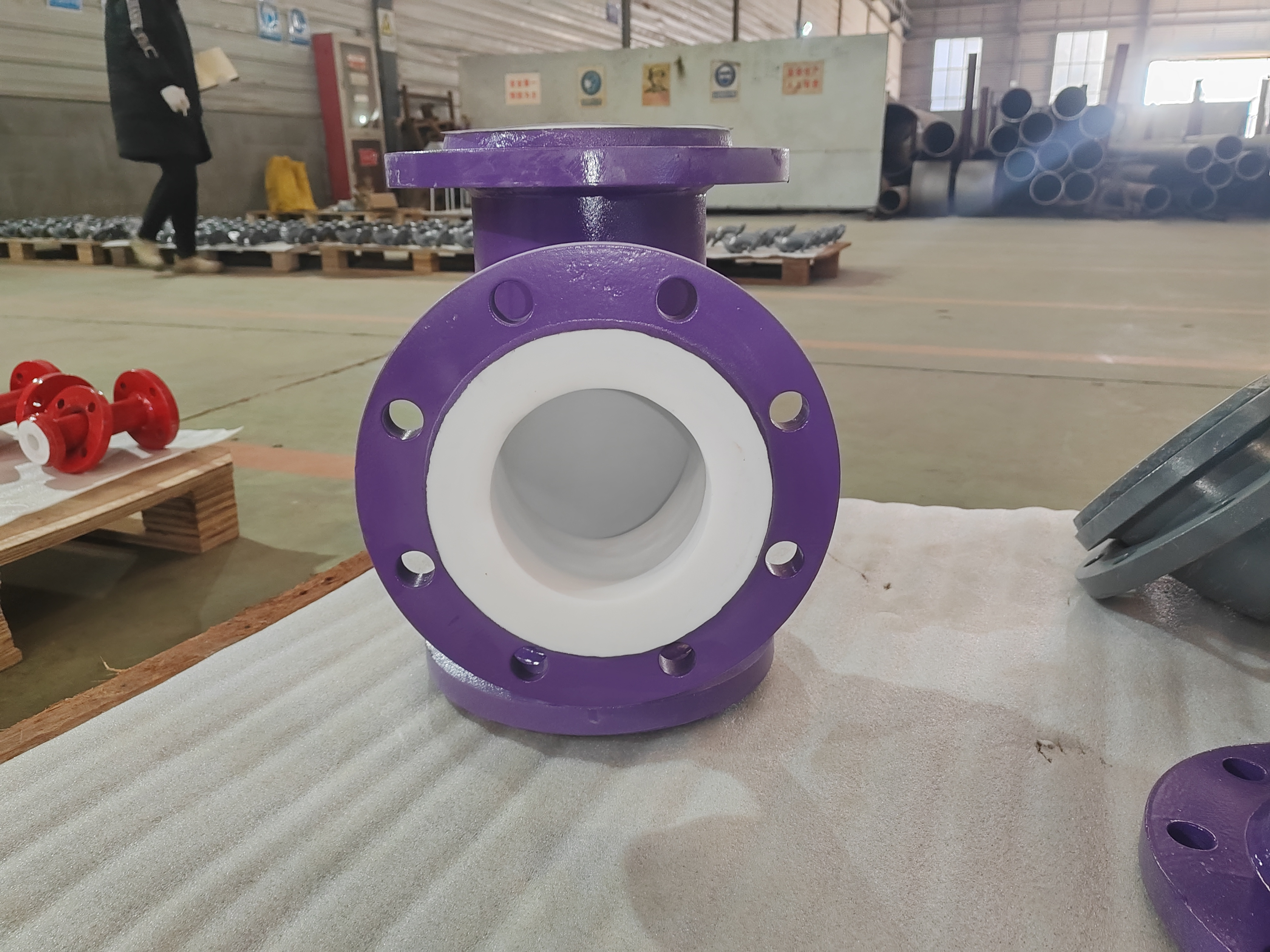
Fundamentally, a ptfe lined tee is a three-way fitting with an internal polytetrafluoroethylene lining. The lining provides exceptional chemical resistance inside a durable metal housing. This combination delivers both structural strength and long-term corrosion protection. Moreover, the PTFE material serves as a barrier between process fluid and the steel shell. Standard manufacturing methods bond the liner to the housing under controlled conditions. Also, this method prevents direct contact between aggressive chemicals and the metal surface. But the real advantage lies in how PTFE handles extreme chemical environments over time. Traditional unlined metal fittings degrade quickly when exposed to strong acids. In contrast, a ptfe lined tee maintains integrity across a wide pH range. For this reason, chemical plants increasingly specify lined fittings for critical piping networks. The design allows standard three-way flow while fully protecting the fitting body. Furthermore, these components integrate seamlessly into existing lined pipe systems.
Key Types of PTFE Lined Tee Fittings
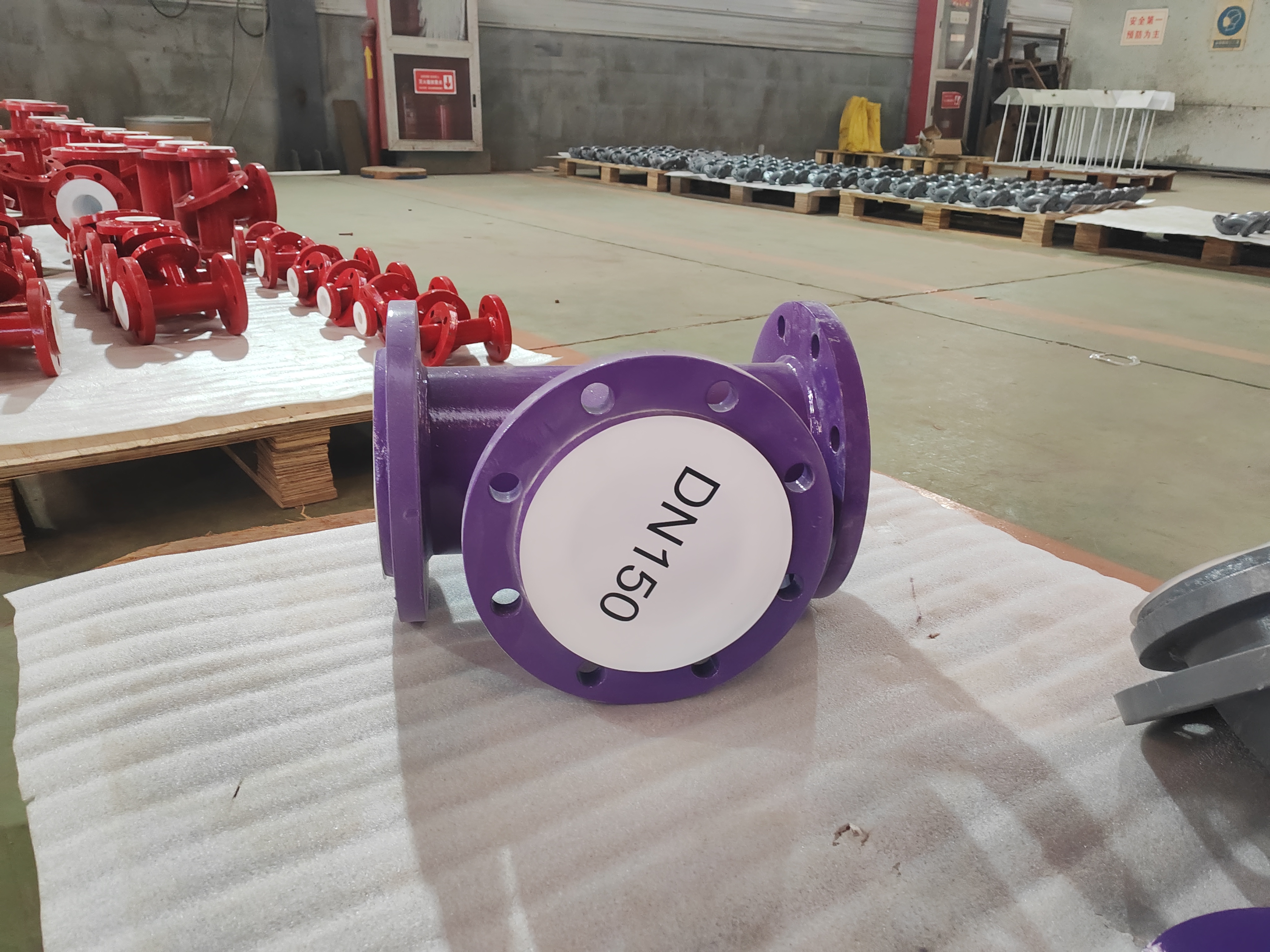
In practice, several distinct configurations of ptfe lined tee fittings serve different operational needs. Each type addresses a unique flow or connection scenario in the system. Understanding these variations helps engineers make informed procurement decisions. For example, the ptfe lined equal tee features three identical branch diameters on all sides. This balanced configuration evenly distributes process fluid across all connection points. It remains the most commonly installed type in symmetrical piping arrangements. Also available is the best ptfe lined reducing tee with varied branch sizes for transitions. This design connects pipes of different diameters within a single compact fitting. The reducing configuration eliminates the need for separate reducer components in the line. Additionally, the ptfe lined instrument tee supports critical measurement and control applications. These fittings accommodate gauges, sensors, and sampling devices directly in the process line. They enable real-time monitoring without compromising system integrity or safety. Notably, manufacturers including china tee of ptfe lined suppliers offer custom configurations for projects. Their production capabilities cover standard dimensions and special order requirements. Global supply chains make these components readily available for international industrial projects.
Industrial Applications and Key Benefits
Above all, PTFE lined tee fittings serve critical functions across multiple heavy industries worldwide. Their primary advantage stems from unmatched chemical resistance under extreme conditions. Therefore, facilities handling corrosive media rely on them for daily operations. Chemical manufacturing plants represent the largest application segment for these specialized components. Process streams with hydrochloric acid and sodium hydroxide demand robust lined protection. Furthermore, pharmaceutical lines use ptfe lined tees to maintain strict product purity standards. But the benefits extend beyond just corrosion prevention in aggressive chemical environments. PTFE lined fittings also reduce maintenance frequency and prevent costly unplanned shutdowns. This reliability translates into lower total ownership costs over the system lifecycle. Similarly, water treatment facilities and food processing plants benefit from PTFE lining technology. The non-stick surface prevents material buildup and simplifies routine cleaning procedures. As a result, production operations remain efficient with minimal manual intervention.
How to Select the Right PTFE Lined Tee
Ultimately, choosing the correct ptfe lined tee requires careful evaluation of operating parameters. Engineers must consider pressure ratings and temperature limits before specification. Making the right selection prevents costly system failures and production downtime. For instance, verify that the lining grade matches your exact chemical exposure profile. Different PTFE formulations offer varying degrees of permeation resistance for different media. Also, confirm that the housing material suits your structural load requirements. The size dimensions and connection types must align with your existing piping infrastructure. Standard flange dimensions follow international norms ensuring full component interchangeability. However, custom end connections remain available for non-standard system layouts and retrofit projects. Additionally, sourcing from established china ptfe lined tee manufacturers ensures consistent product quality. Reputable suppliers provide material certifications and comprehensive test documentation for every shipment. Their quality control processes validate each fitting before delivery to project sites. Therefore, a systematic approach to specification yields the most reliable operational results. Consider all relevant factors from chemical compatibility to supplier qualifications. This diligence ensures your piping system performs safely for years of continuous service.