PTFE Pipes: Superior Chemical Resistance & Industrial Performance Guide
News Details
Understanding PTFE Pipes for Modern Industrial Systems
Chemical processing demands reliable and durable piping solutions every single day. Standard metal pipes often fail when exposed to harsh and corrosive substances over time. That is why many facilities now turn to PTFE pipes for their most critical fluid handling needs.
The Core Benefits of PTFE Piping
PTFE pipes offer unmatched chemical resistance across a wide range of industrial applications. They can handle strong acids, alkalis, and organic solvents without any degradation. For example, a PTFE lined pipe performs under conditions that would quickly destroy stainless steel alternatives. Also, these pipes provide excellent thermal stability from cryogenic temperatures to around 260 degrees Celsius. Their non-stick surface prevents material buildup inside the pipe walls. This reduces maintenance costs and extends the service life of the entire piping network. But the advantages go far beyond chemical and thermal performance alone. PTFE pipes have a remarkably low coefficient of friction compared to other materials. Therefore, fluid flows through plastic lined pipe systems with minimal pressure loss and reduced pumping energy costs. Standard PTFE piping also delivers outstanding electrical insulation properties for sensitive applications. It resists weathering and UV radiation when installed in outdoor environments. These combined benefits make it a top choice for engineers around the world.
How PTFE Lined Pipe Systems Work
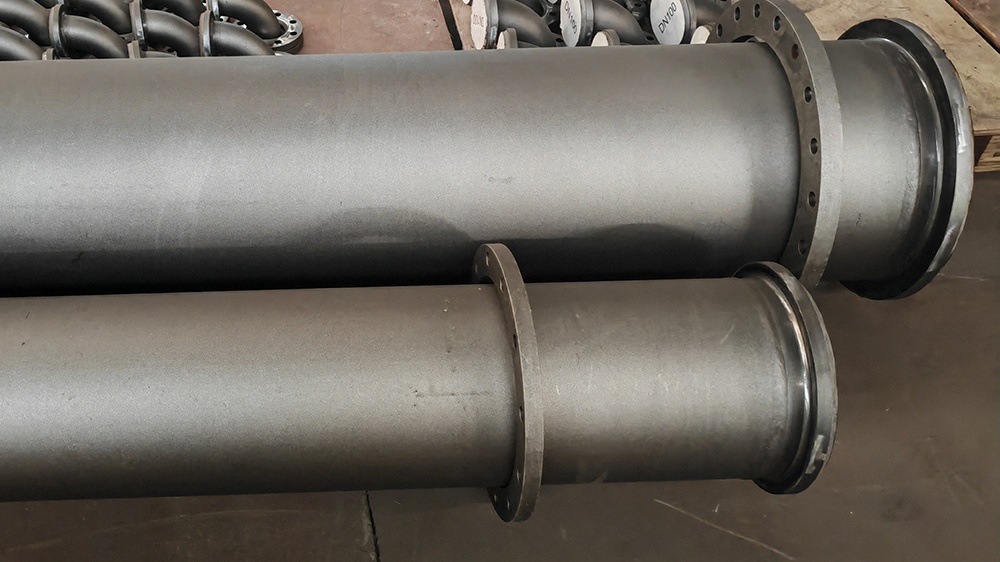
Standard PTFE lined pipe systems combine a robust metal outer shell with an inner PTFE liner. The metal housing provides mechanical strength and structural support for the pipeline. Meanwhile, the inner liner handles all contact with the transported chemicals and fluids. Furthermore, modern manufacturing techniques ensure a tight bond between the liner and the outer casing. This prevents liner collapse under vacuum conditions or during thermal cycling events. As a result, PTFE lined pipes deliver both durability and chemical protection in demanding process environments. Another key feature involves the connection methods used in these industrial systems. Flanged ends with molded PTFE faces create leak-proof seals at every single joint. This design eliminates the weak points that often plague traditional piping installations over time. But engineers must also consider flow dynamics when designing plastic lined pipe networks. The smooth inner surface reduces turbulence and prevents particle accumulation. Therefore, PTFE lined pipe systems maintain consistent flow rates even after years of continuous service.
Choosing a PTFE Lined Pipe Manufacturer
Selecting a reliable PTFE lined pipe manufacturer requires careful evaluation of several important factors. Quality certifications such as ISO 9001 indicate a commitment to consistent production standards. You should also review the manufacturer's experience with your specific industry requirements. Additionally, consider the full range of sizes and pressure ratings that the supplier offers. A capable PTFE lined pipe manufacturer provides custom solutions for unusual or challenging applications. Their engineering team should help you select the right liner thickness and housing material for your needs. Testing capabilities matter just as much as production capacity in this specialized industry. Reputable manufacturers perform hydrostatic and spark tests on every finished product. Therefore, you can trust that certified PTFE piping will perform safely under your operating conditions. Delivery timelines and after-sales support also play a critical role in supplier selection. The best PTFE lined pipe manufacturer maintains adequate inventory for urgent project requirements. This ensures that your production schedule faces no unnecessary delays or interruptions.
Applications Across Key Industries
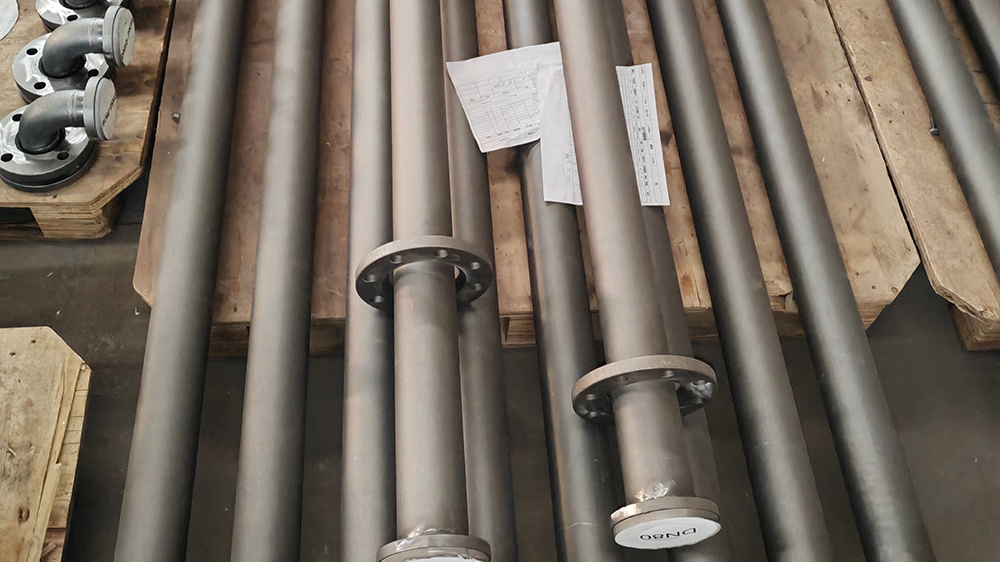
Chemical processing plants represent the largest market for PTFE pipes and related products worldwide. These facilities transport aggressive media between reactors, storage tanks, and distillation columns every day. Standard PTFE lined pipe systems serve as the backbone of many modern chemical production lines. Also, the pharmaceutical sector depends heavily on high-purity PTFE piping for its critical processes. Drug manufacturers cannot tolerate any metal ion contamination in their product streams. Plastic lined pipe solutions ensure that active pharmaceutical ingredients remain pure throughout the entire production cycle. But the applications extend far beyond just chemicals and pharmaceuticals alone. Food processing, semiconductor manufacturing, and wastewater treatment all benefit from this technology. For example, PTFE lined pipes handle hot edible oils and cleaning chemicals in food plants without safety concerns. Furthermore, the pulp and paper industry uses PTFE piping for handling bleaching agents and corrosive pulping liquors. Steel pickling operations rely on these systems for transporting hydrochloric and sulfuric acid mixtures. The versatility of PTFE lined pipe systems continues to drive adoption across new industrial sectors every year.