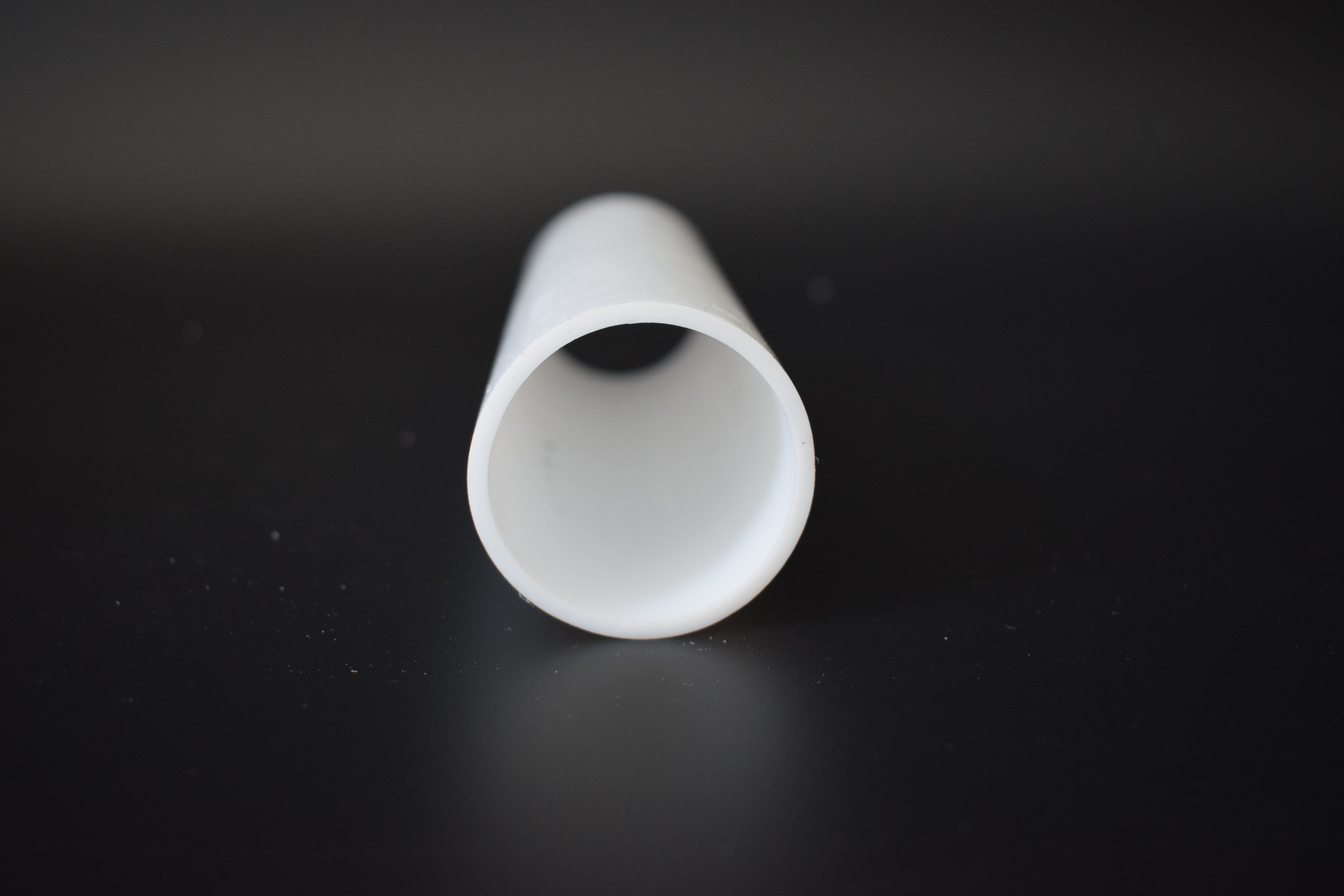
PTFE Raschig Ring for Industrial Tower Packing
News Details
Material Properties and Economic Value of PTFE Raschig Rings
In the demanding world of chemical processing and industrial separation, the selection of tower packing media carries profound implications for operational efficiency, equipment longevity, and overall process economics. Among the diverse array of random packing options available to engineers and procurement professionals, the PTFE Raschig Ring has established itself as an indispensable solution for applications involving highly corrosive fluids and aggressive chemical environments. This cylindrical packing element, fabricated from polytetrafluoroethylene, combines the time-tested geometric advantages of the classic Raschig ring design with the exceptional material properties that only PTFE can deliver. For facilities handling acids, alkalis, solvents, and oxidizing agents that would rapidly degrade metallic or standard plastic packing, the Teflon Raschig Ring represents not merely a component choice but a strategic investment in process reliability.
The fundamental engineering value of the PTFE Raschig Ring lies in its unique ability to provide consistent mass transfer performance while withstanding chemical attack across an extraordinarily broad spectrum of substances. PTFE as a material exhibits near-universal chemical inertness, maintaining its structural integrity and surface characteristics even after prolonged exposure to hydrochloric acid, sulfuric acid, sodium hydroxide, and organic solvents at elevated temperatures. This chemical resilience translates directly into reduced packing replacement frequency, lower maintenance downtime, and stable column hydraulics over extended operating campaigns. When engineers specify PTFE Raschig Ring Tower Packing for distillation columns, absorption towers, or stripping units, they are effectively eliminating a common failure point that plagues facilities processing corrosive streams. The economic calculus favors PTFE despite its higher initial material cost, because the total cost of ownership over a typical five-to-ten-year service cycle consistently underperforms alternatives that require more frequent intervention.
Geometric Advantages and Quality Standards in Procurement
Beyond chemical resistance, the geometric configuration of the Raschig ring form factor contributes specific performance characteristics that merit careful consideration in column design. The simple cylindrical shape with equal height and diameter creates a predictable surface-to-volume ratio and void fraction, enabling reliable hydraulic modeling and performance prediction across varying operating conditions. While modern packing geometries have evolved to offer lower pressure drop or higher capacity in certain scenarios, the straight-walled Raschig design retains distinct advantages in fouling-prone services and applications where mechanical robustness under fluctuating thermal loads is paramount. The PTFE variant further enhances these benefits by introducing a low-friction surface that resists fouling adhesion and facilitates easier cleaning during turnarounds, a practical consideration that experienced plant operators value highly.
Procurement professionals evaluating PTFE Raschig Ring suppliers should assess several quality indicators beyond the basic material certification. Virgin PTFE resin sourcing, dimensional tolerance consistency across production batches, and surface finish quality all influence the packing's installed performance and mechanical durability. Reputable manufacturers of Teflon Raschig Rings maintain rigorous quality control protocols that include density verification, dimensional inspection, and thermal stability testing on every production lot. These quality assurance measures become particularly critical in regulated industries such as pharmaceutical intermediates manufacturing and specialty chemical synthesis, where packing degradation could introduce contaminants into high-purity product streams. The traceability of raw materials and the availability of comprehensive material test reports should form non-negotiable elements of any supplier qualification checklist.
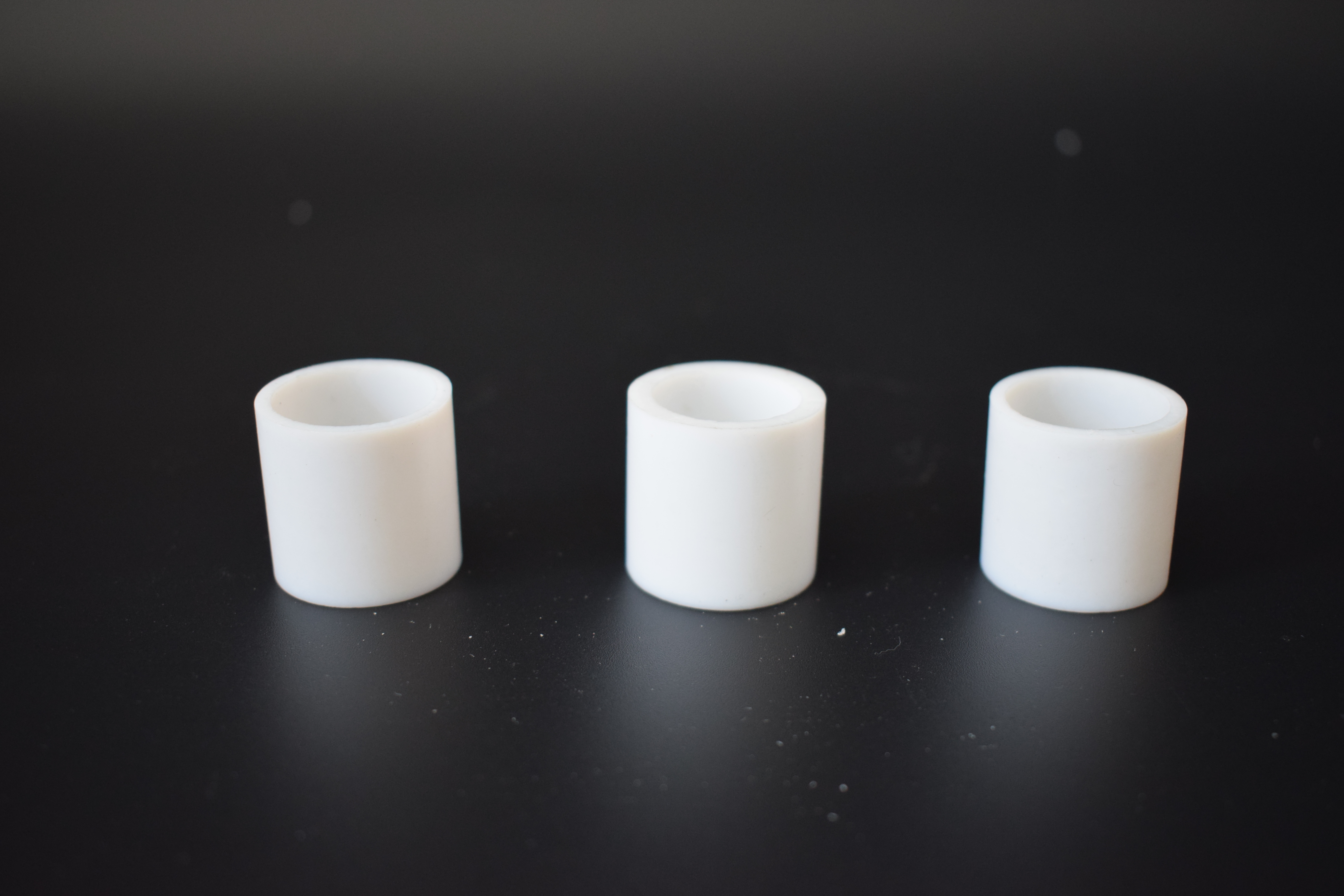
Industrial Applications and Lifecycle Impact on Plant Reliability
The application landscape for PTFE Raschig Ring Tower Packing extends across multiple industry verticals that share a common requirement for corrosion-resistant mass transfer solutions. In the chlor-alkali sector, these rings withstand the aggressive chlorine and caustic environments inherent to the production process. Fine chemical and API manufacturers rely on PTFE packing to maintain product purity in solvent recovery columns and acid gas scrubbing systems. Environmental compliance installations, including flue gas desulfurization units and hazardous waste incinerator scrubbers, benefit from the packing's ability to perform reliably in the presence of mixed acid condensates and fluctuating temperature profiles. Across each of these diverse applications, the fundamental value proposition remains consistent: process uptime, reduced maintenance burden, and predictable separation performance in conditions where lesser materials would quickly succumb to chemical degradation.
As the global chemical industry continues its trajectory toward more aggressive process conditions and stricter purity requirements, the role of advanced materials in column internals grows increasingly prominent. The PTFE Raschig Ring embodies this evolution, bridging the gap between traditional packing geometry and modern material science to deliver a solution that meets the most demanding operational specifications. Engineering teams tasked with column design or retrofit projects involving corrosive services would be well-served to include PTFE packing options in their technical evaluation matrices, considering not only the capital expenditure but the full lifecycle impact on plant reliability and product quality. In an industry where unplanned downtime carries costs measured in hundreds of thousands of dollars per day, the margin of safety that PTFE packing provides represents a prudent engineering decision backed by decades of documented field performance across the most challenging chemical environments on earth.