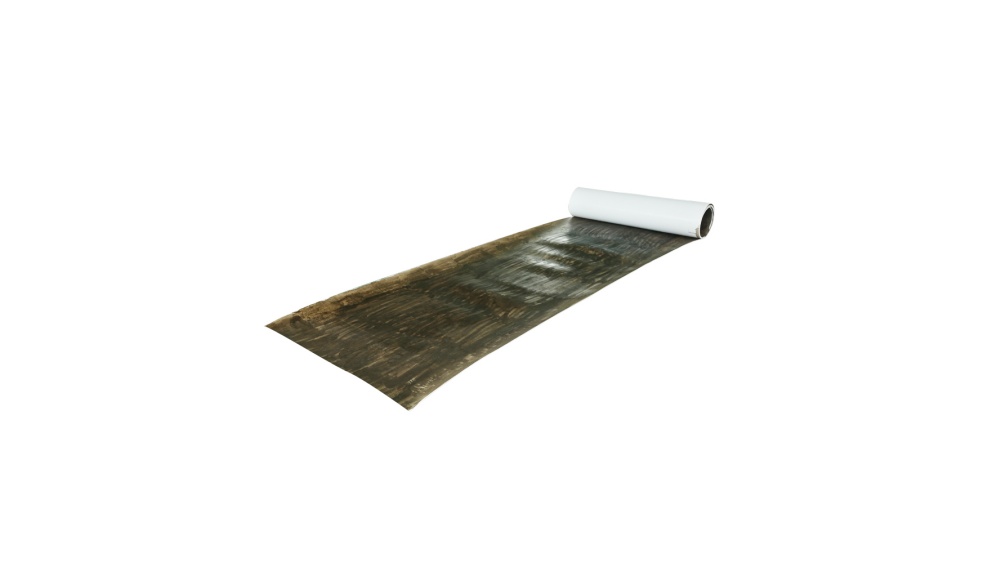
PTFE Sheets Guide for Industrial Applications and Material Selection
News Details
What Are PTFE Sheets and Their Core Properties
PTFE sheets are flat panels made from polytetrafluoroethylene resin. This material offers a very low friction surface for many uses. It also provides high temperature and chemical resistance. Moreover, PTFE sheets resist nearly all industrial chemicals and solvents. They can handle continuous service temperatures up to 260 degrees Celsius. This makes them ideal for harsh processing environments. In addition, these sheets have excellent electrical insulation properties. They do not absorb water or moisture from the air. Their non-stick surface prevents material buildup and contamination. Furthermore, PTFE sheets maintain their properties across a wide temperature range. They stay flexible and strong even at very low temperatures. This stability ensures reliable performance in demanding conditions around the clock. Consequently, industries choose PTFE sheets for critical sealing and lining tasks. They serve as a trusted material in chemical and food processing. Engineers value their durability and consistent long-term performance.
Key Types of PTFE Sheets for Industrial Use
First, the PTFE gasket sheet is widely used for sealing flanges and joints. It creates a tight barrier against leaks in piping systems. This type handles aggressive media without degrading over time. Secondly, PTFE plastic sheet products serve general fabrication and machining needs. They can be cut, drilled, and shaped into custom components. Workshops use them for making wear pads and insulators. Notably, the choice of PTFE sheet material depends on the intended application. Virgin PTFE offers the highest purity and chemical resistance. Filled grades add glass or carbon for better mechanical strength. Additionally, PTFE sheeting comes in various thicknesses and convenient roll lengths. This flexibility allows buyers to order exact dimensions for their projects. It also reduces waste during the cutting and installation process. Therefore, understanding the different types helps buyers make informed decisions. Each variant addresses specific performance requirements in the field. Suppliers can recommend the best match for your operating conditions.
Common Applications Across Key Industries
Notably, the chemical processing industry relies heavily on PTFE sheets. They line tanks and reactors to prevent corrosion damage. This extends equipment life and reduces maintenance costs significantly. Meanwhile, the food and beverage sector uses these sheets for sanitary sealing. Their non-toxic and non-stick nature meets strict hygiene standards. They prevent cross-contamination during food production processes. In the pharmaceutical field, PTFE sheets ensure clean and inert processing conditions. They do not react with active ingredients or solvents. This purity is critical for drug manufacturing and laboratory equipment. Similarly, the oil and gas industry uses PTFE sheets in high-pressure environments. They serve as reliable gaskets and bearing pads under extreme loads. Their low friction reduces wear on expensive machinery parts. As a result, PTFE sheets have become essential across diverse industrial sectors. Their unique properties solve problems that other materials cannot handle. Demand continues to grow as new applications emerge each year.
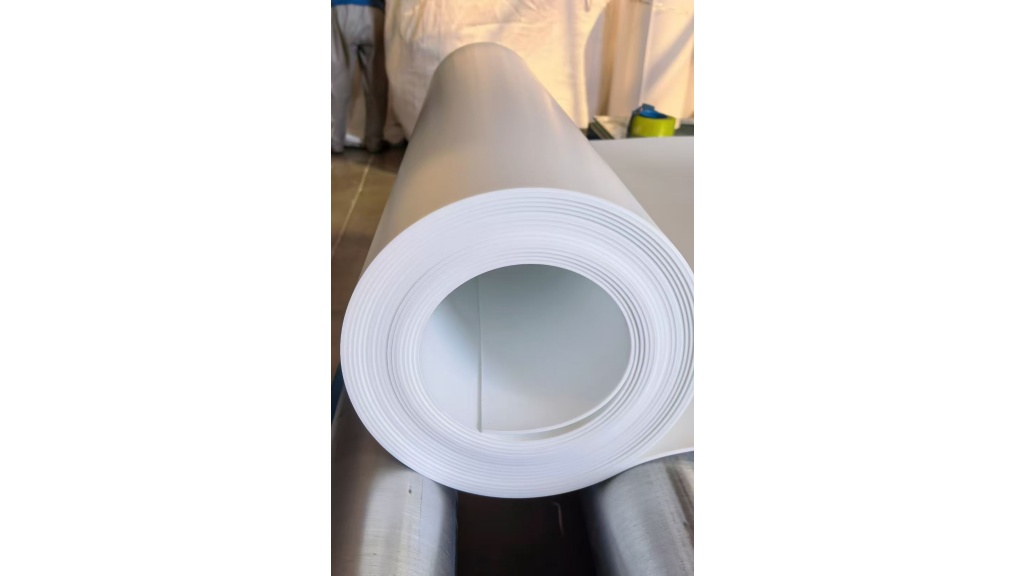
How to Select the Right PTFE Sheet Supplier
First, evaluate whether the supplier offers virgin and filled grade options. A reliable source should provide detailed material data sheets. This transparency helps you verify product quality before purchasing. Next, check the supplier's manufacturing capabilities and quality certifications. ISO standards indicate consistent production and testing processes. Certified suppliers are more likely to deliver reliable PTFE sheeting products. Additionally, consider whether they provide custom cutting and fabrication services. Many projects require specific dimensions that standard sheets cannot meet. A flexible supplier saves you time and secondary processing costs. Furthermore, review the supplier's shipping and packaging standards carefully. PTFE sheet material must be protected from dust and moisture damage. Proper packaging ensures that products arrive in perfect working condition. Ultimately, a trusted partner delivers consistent quality and technical support. They help you choose the right PTFE gasket sheet for each job. Building a long-term relationship with such a supplier adds real value.