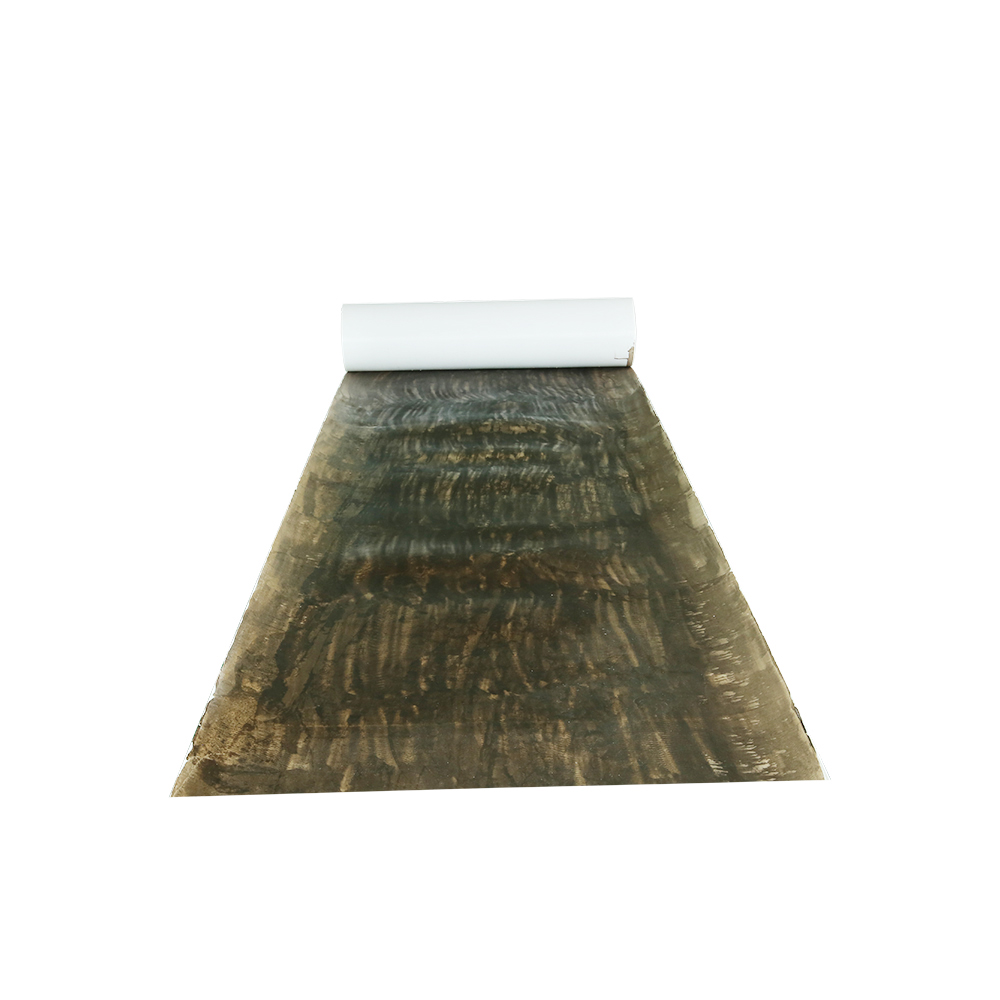
PTFE Sheet: Properties, Applications and Industry Benefits
News Details
What Makes PTFE Sheet a Standout Material
First and foremost, PTFE sheet delivers exceptional chemical resistance across industries. It withstands aggressive acids, solvents and harsh media. Almost no substance can corrode or degrade its surface. Additionally, this material offers an extremely low friction coefficient. Surfaces coated with PTFE sheets slide with minimal resistance. Engineers value this for moving mechanical parts and bearings. Moreover, PTFE sheet handles extreme temperatures without meaningful degradation. It stays stable from cryogenic cold to intense heat. This range suits the most demanding industrial environments. In the same vein, electrical insulation is another key strength. PTFE sheets block current with high dielectric properties. Electronics and aerospace engineers rely on this for safety. Equally important, the material resists weathering and ultraviolet exposure. Outdoor installations benefit from its durability and stability. Years of sunlight do not weaken its performance. Finally, PTFE sheet has a naturally non-stick surface. Adhesives, paints and sticky residues cannot bond to it. This opens countless applications in manufacturing and processing.
How Expanded PTFE Sheet Enhances Performance
To begin with, expanded PTFE sheet offers a highly functional porous structure. This design improves conformability and sealing under pressure. Gasket applications particularly benefit from this feature. Furthermore, expanded PTFE sheet adapts to irregular flange surfaces. It fills micro-gaps that rigid sheets cannot close. Leak prevention becomes far more reliable with this material. Likewise, its compressibility reduces bolt load requirements. Teams achieve tight seals with less force. This saves time during assembly and maintenance work. In addition, the expanded form retains all standard PTFE properties. Chemical inertness and temperature resistance remain uncompromised. Engineers get flexibility without sacrificing core performance. Consequently, industries from petrochemical to pharmaceutical adopt this variant. It solves sealing challenges traditional materials cannot address. Operational safety improves across many critical facilities. As a result, maintenance intervals extend and downtime decreases. Plant managers report fewer leak incidents after switching. The total cost of ownership drops while uptime climbs.
PTFE Teflon Sheet in Food and Industrial Processing
Notably, PTFE Teflon sheet is FDA-compliant for food contact. Bakeries use PTFE baking sheet as a non-stick liner. Dough releases cleanly without oil or chemical agents. Besides that, Teflon sheet PTFE works well in conveyor systems. It reduces friction between belts and product surfaces. Processing lines run faster with fewer jams. Similarly, industrial ovens benefit from PTFE sheet linings. Heat distribution becomes more uniform across trays. Baked goods achieve consistent color and texture. For instance, Teflon sheet PTFE prevents caramelized sugar buildup. Cleaning cycles become shorter and less frequent. Production uptime increases as a direct result. Above all, food safety standards are met without compromise. No harmful chemicals leach into processed items. This peace of mind matters for manufacturers and consumers. Ultimately, the combination of non-stick and thermal stability proves unbeatable. Food processors standardize on PTFE sheet solutions worldwide. The material is indispensable in modern food manufacturing.
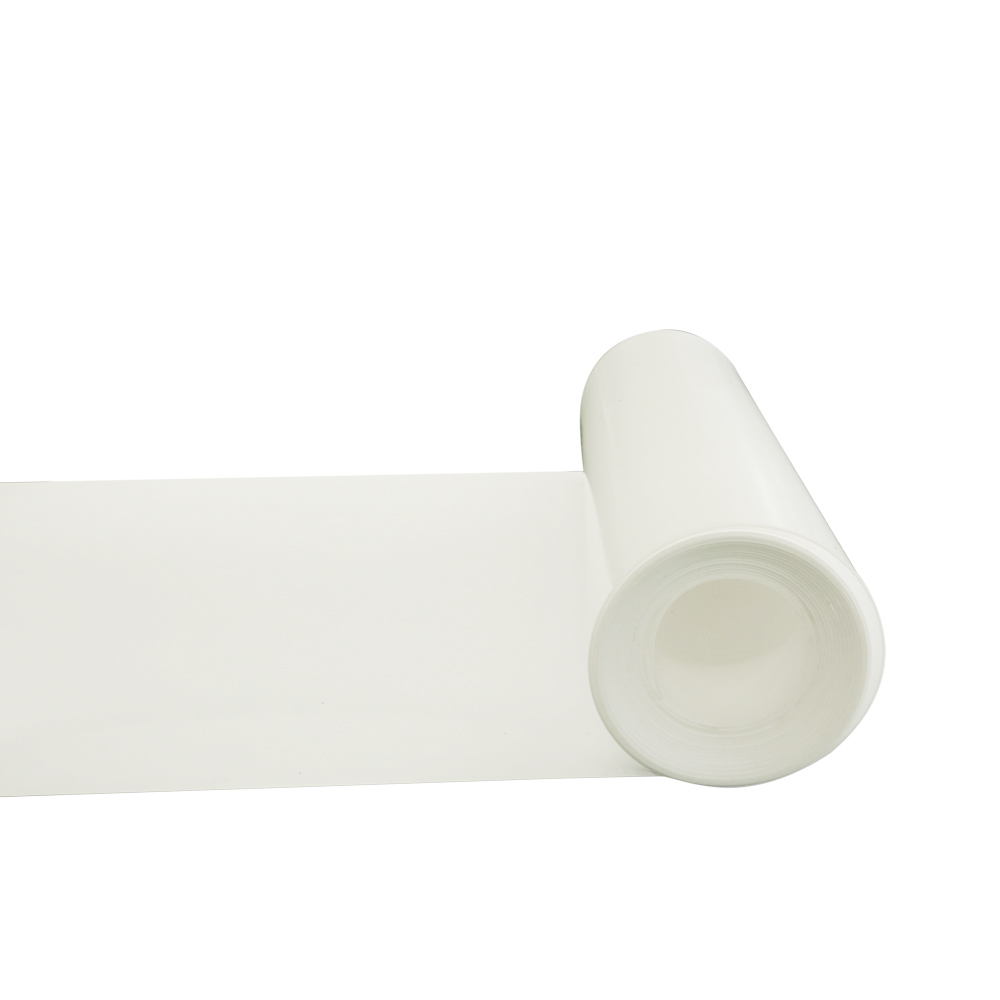
Choosing the Right PTFE Sheets for Your Project
First of all, assess the operating temperature of your application. Standard PTFE sheets handle most industrial ranges. Extreme conditions may require reinforced grades. Next, determine whether you need solid sheet or expanded PTFE sheet. Sealing tasks favor the expanded variant for flexibility. Structural uses prefer solid sheet for rigidity. After that, evaluate chemical exposure in your process environment. Aggressive media demand pure virgin PTFE sheets. Less harsh settings allow filled or modified grades. Subsequently, check thickness and dimensional requirements carefully. Custom PTFE sheets can be sourced to exact specifications. Proper sizing avoids waste and reduces cost. In the end, partner with a supplier who certifies quality. Consistent material properties ensure predictable performance. Your project deserves that level of assurance. To conclude, an informed choice prevents costly replacements later. Match material grades with actual operating conditions. The right decision pays dividends for years.