PTFE Rod Guide: Types, Properties and Industrial Applications
News Details
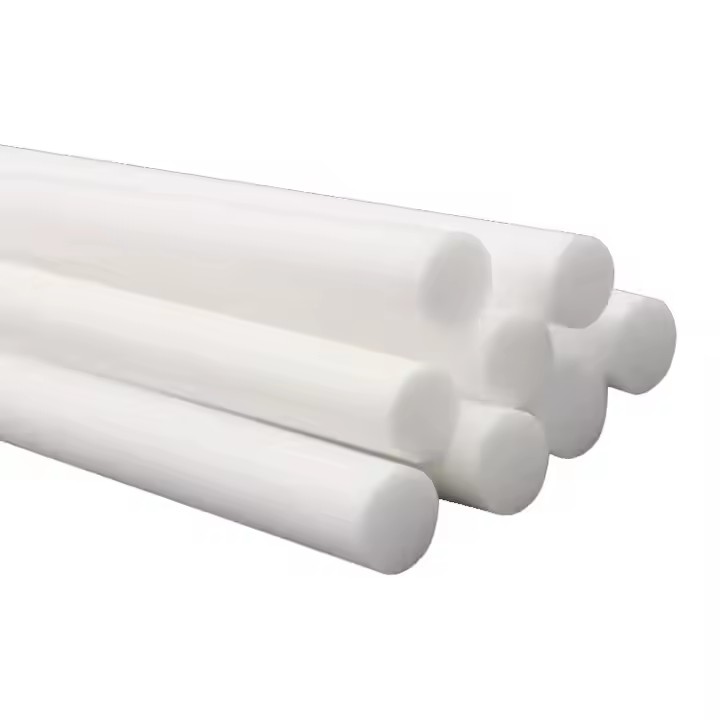
What Is a PTFE Rod
A PTFE rod is a solid cylindrical product made from polytetrafluoroethylene. It serves as a fundamental raw material in many industries. Manufacturers machine these rods into custom components like seals and gaskets. The material offers exceptional non-stick and low-friction properties. These qualities make PTFE rods indispensable in demanding environments. Also, PTFE rods resist almost all industrial chemicals and solvents. They can withstand continuous exposure to acids without degradation. The material remains stable across a wide operating temperature range. This chemical inertness is a key reason engineers choose PTFE over other plastics. For example, processing plants use PTFE rods in corrosive fluid handling systems.
Types of PTFE Rods
Standard PTFE rods come in several manufacturing grades. Virgin PTFE rod material is the purest form available. It contains no fillers or additives and delivers maximum chemical resistance. Therefore, virgin PTFE rods are the default choice for food-grade and medical applications. Many suppliers stock virgin PTFE rod in standard diameters for quick delivery. But extruded PTFE rod offers distinct advantages for long-length production runs. The extrusion process creates rods with consistent density and uniform dimensions. This method also reduces material waste compared to molded alternatives. As a result, extruded PTFE rod is often more cost-effective for high-volume orders. Buyers frequently compare the mechanical properties of extruded versus molded grades. Meanwhile, the PTFE teflon rod variant uses the widely recognized brand name Teflon. Teflon PTFE rod products carry the same chemical structure as generic PTFE. The brand designation helps customers identify certified material sources. Some procurement specifications explicitly require Teflon PTFE rod for traceability. Regardless of branding, performance remains fundamentally identical to standard PTFE.
Industrial Applications of PTFE Rods
PTFE rods find extensive use in the chemical processing sector. Fabricators machine PTFE rods into valve seats and pump housings. These components must endure constant exposure to aggressive media. The low friction surface also reduces energy consumption in rotating equipment. For example, custom-machined PTFE rod parts extend pump maintenance intervals significantly. Furthermore, the electrical industry relies on PTFE rods for high-frequency insulation. The material has an extremely low dielectric constant and dissipation factor. This property makes PTFE rods ideal for antenna components and connector insulators. Even under high-voltage conditions, PTFE maintains its insulating performance. Engineers specify PTFE rods for radar systems and satellite communication equipment. Also, food processing plants use PTFE rods for non-stick conveyor components. The material meets FDA requirements for direct food contact. It prevents product buildup on manufacturing line surfaces. Cleaning cycles become shorter and more efficient with PTFE rod components. Bakeries and confectionery manufacturers value this easy-release characteristic highly.
Choosing the Right PTFE Rod
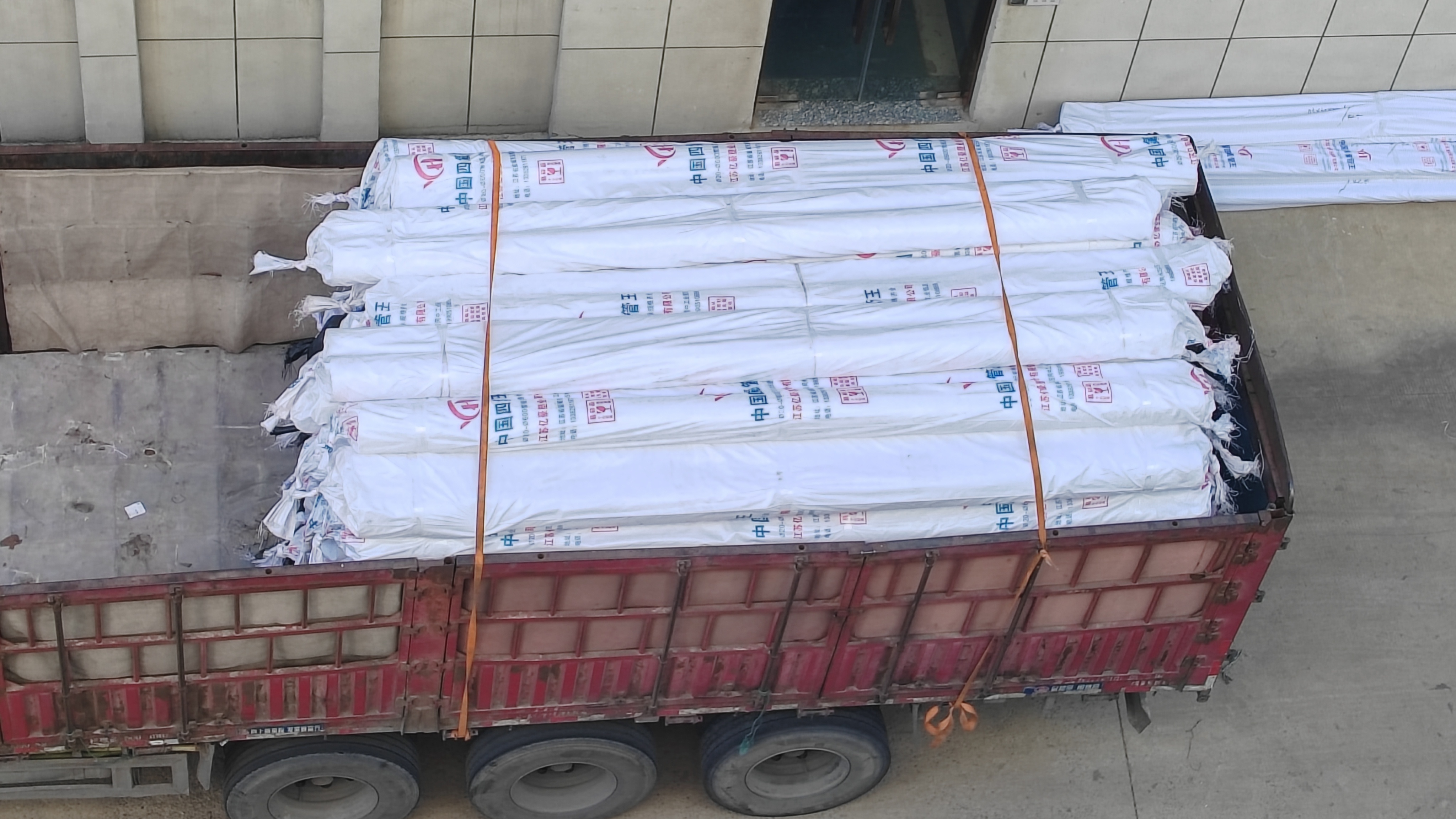
Begin by evaluating the operating environment of your application. Consider the chemical exposure and temperature range your component will face. Virgin PTFE rod works best for the most demanding chemical conditions. But filled grades may provide better wear resistance for mechanical applications. Always consult material data sheets before making a final selection. Also, assess the dimensional requirements of your machined parts. Extruded PTFE rod typically offers tighter diameter tolerances than molded rod. This precision reduces machining time and material scrap. Standard diameters range from a few millimeters to over one hundred millimeters. Therefore, confirm your supplier can deliver the exact size you need. Finally, verify the quality certifications of your PTFE rod supplier. Reputable manufacturers provide traceability documentation for their PTFE rods. Look for ISO certifications and material test reports. These documents confirm the rod meets published mechanical and chemical specifications. A reliable supply chain ensures consistent performance across your product lifecycle.