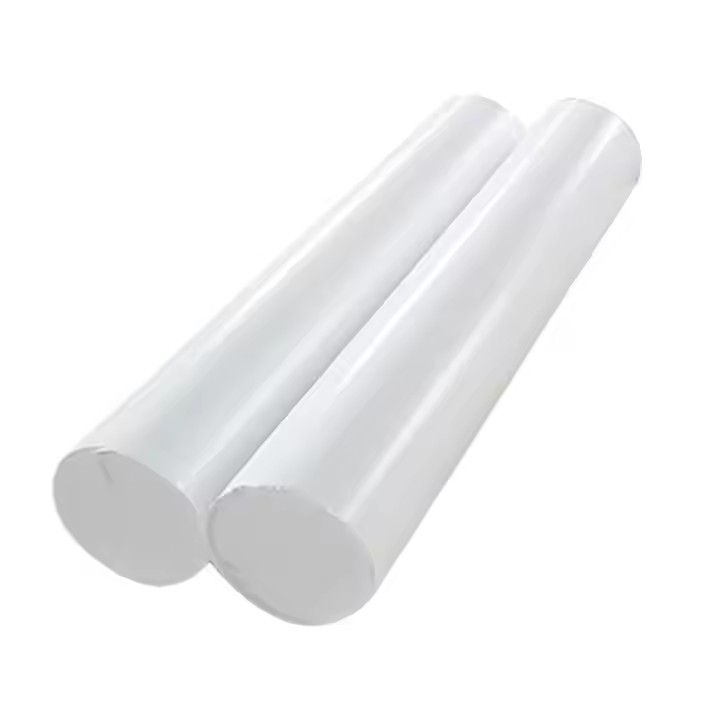
Virgin PTFE Rod: Premium Material Solutions for Industrial Applications
News Details
What Makes Virgin PTFE Rod a Superior Material Choice
Virgin PTFE rod represents one of the most versatile and reliable engineering materials available to modern manufacturers today. Its unique molecular structure, built from pure polytetrafluoroethylene without any recycled or reprocessed content, delivers exceptional chemical resistance and thermal stability across a broad operating range. Engineers across multiple sectors continue to specify virgin PTFE rod because it consistently outperforms filled or modified alternatives in applications where purity and performance cannot be compromised. The material's non-stick surface and remarkably low coefficient of friction make it an outstanding candidate for bearing and bushing fabrications. Unlike metal or nylon components, virgin PTFE rod operates effectively without external lubrication, which eliminates contamination risks in food processing equipment and pharmaceutical machinery. This self-lubricating characteristic also translates into reduced maintenance cycles and longer service intervals for plant operators managing continuous production lines. Temperature resilience is another defining trait that sets virgin PTFE rod apart from conventional engineering plastics. The material maintains its mechanical integrity across a span from cryogenic conditions to approximately 260 degrees Celsius, enabling deployment in both freezer storage facilities and high-temperature chemical reactors. Such a wide thermal window gives design engineers the flexibility to standardize on a single rod material across multiple process stages without compromising safety or performance. Electrical insulation properties further broaden the application scope of this remarkable material. With a dielectric strength that rivals many dedicated insulating compounds, virgin PTFE rod serves as an excellent choice for terminal blocks, standoffs, and connector components in high-voltage assemblies. The material also exhibits negligible moisture absorption, which means its insulating performance remains stable even in humid or submerged environments where other plastics would degrade. From a compliance standpoint, virgin PTFE rod satisfies stringent regulatory requirements including FDA and USP Class VI certifications for food contact and medical device applications. Procurement managers value this compliance profile because it simplifies supplier qualification audits and reduces the documentation burden associated with multi-material inventories. When a single material can cover electrical, chemical, thermal, and regulatory demands, the total cost of ownership becomes significantly more attractive.
Key Industrial Applications of Virgin PTFE Rods
The chemical processing industry ranks among the largest consumers of virgin PTFE rod, relying on its inert nature to handle aggressive acids, alkalis, and organic solvents without degradation. Fabricated components such as valve seats, gaskets, and pump shafts machined from this material resist corrosion in ways that stainless steel and exotic alloys often cannot match. Plant reliability engineers appreciate that specifying virgin PTFE rod for these critical wear parts directly reduces unplanned downtime and hazardous leak incidents. Semiconductor manufacturing represents another sector where the purity of virgin PTFE rod delivers measurable production advantages. Wafer handling tools, chemical delivery system components, and etching chamber fixtures must not introduce ionic contamination that could destroy microscopic circuit patterns. The absence of fillers and recycled content in virgin-grade material ensures that particle shedding and outgassing remain at levels acceptable for cleanroom environments. In the medical device field, virgin PTFE rod finds its way into catheter mandrels, endoscopic instrument shafts, and implantable component prototypes thanks to its biocompatibility and lubricious surface. Machinists working with this material can achieve the tight tolerances and smooth surface finishes that medical OEMs demand without resorting to secondary polishing operations. This combination of machinability and biological safety continues to drive adoption across diagnostic and therapeutic device platforms. The food and beverage sector presents equally compelling use cases for this engineering material. Virgin PTFE rod can be fashioned into scraper blades, dough rollers, and conveyor guides that contact food products directly without risk of chemical migration. Equipment designers in this industry also appreciate that the rod material withstands aggressive cleaning protocols involving steam sterilization and caustic washdown solutions without dimensional distortion. Aerospace and defense applications push virgin PTFE rod into more extreme operating envelopes where failure is simply not an option. Aircraft hydraulic system seals, missile guidance component insulators, and satellite deployment mechanism bushings all depend on the material's ability to function reliably under vacuum, vibration, and wide temperature swings. Procurement specifications in these sectors frequently mandate virgin-grade material precisely because any compromise in raw material quality could cascade into mission-critical failures.
How to Select the Right PTFE Rod Manufacturers and Suppliers
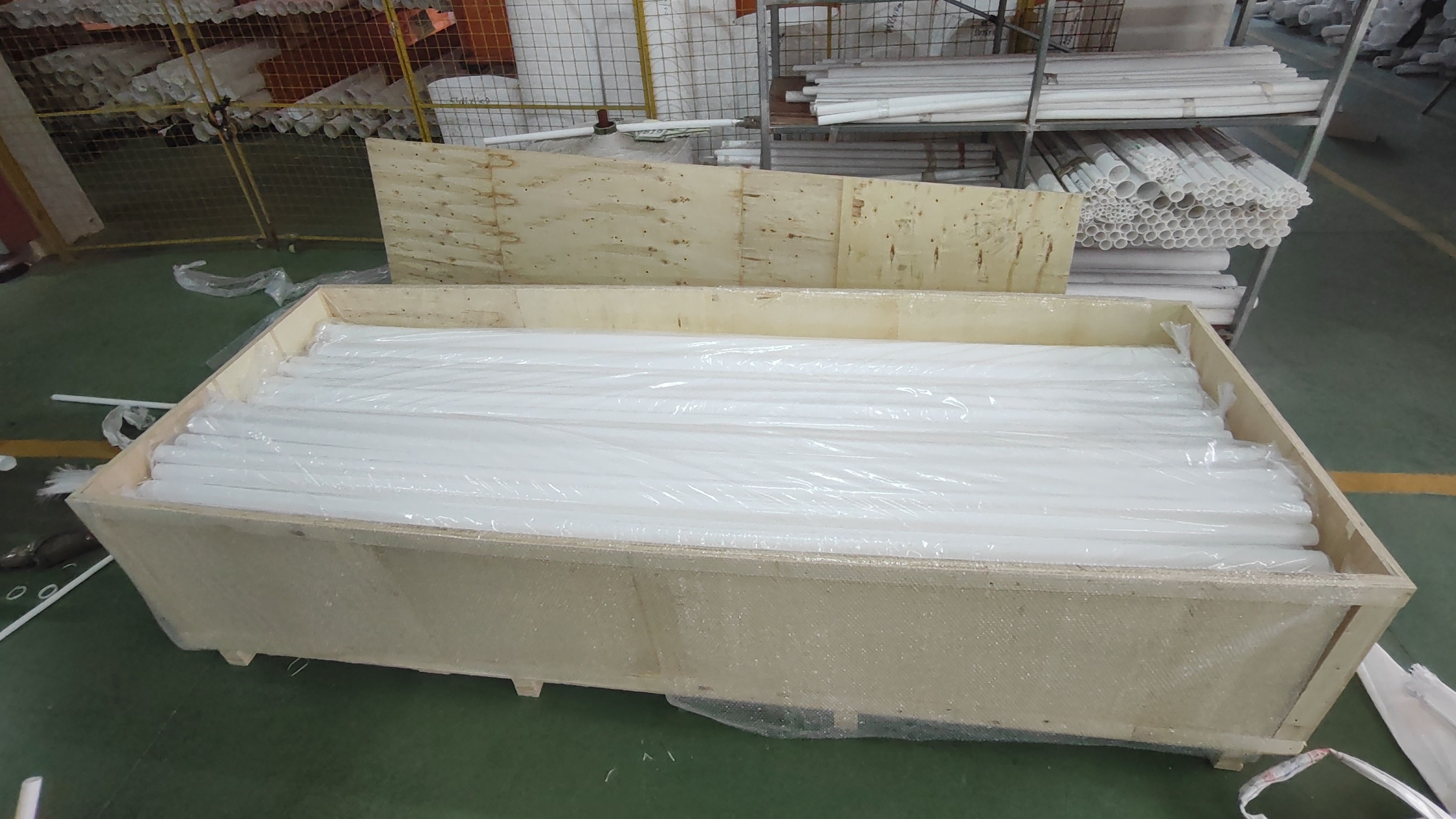
Selecting among the many PTFE rodmanufacturers requires a structured evaluation framework that goes beyond simple price comparison. Buyers should begin by verifying that a prospective PTFE rod manufacturer holds relevant quality management certifications such as ISO 9001 and, for regulated sectors, additional standards like AS9100 for aerospace or ISO 13485 for medical devices. These third-party audits provide objective evidence that the manufacturer operates under disciplined process controls rather than relying on post-production inspection alone. Traceability of raw material inputs is equally important when qualifying PTFE rod suppliers for critical applications. Reputable PTFE rod suppliers maintain detailed batch records that link each finished rod to its original resin lot, complete with certificates of analysis documenting key physical properties such as tensile strength, elongation at break, and specific gravity. A supplier's willingness to share this documentation proactively often distinguishes partners invested in long-term relationships from transactional vendors focused on spot sales. Production capacity and lead-time reliability should factor heavily into the evaluation of potential PTFE rod manufacturers, especially for OEMs running lean inventory models. Buyers should inquire about extrusion line count, diameter range capability, and whether the manufacturer stocks common sizes to buffer against supply chain disruptions. The best PTFE rod suppliers complement their in-house capacity with transparent communication about order status, providing proactive notification when shipping schedules deviate from original commitments. Technical support and application engineering services represent a value differentiator that many buyers overlook when comparing PTFE rod manufacturers. A knowledgeable PTFE rod manufacturer can recommend the optimal rod diameter and tolerance class for specific machining operations, potentially saving weeks of trial and error during prototype development. Suppliers who invest in application laboratories and field engineering teams demonstrate a commitment to customer success that extends well beyond the transaction. Geographic logistics and import considerations become particularly relevant when sourcing from overseas PTFE rod suppliers. Buyers must account for freight transit times, customs clearance procedures, and potential tariff implications when comparing landed costs from domestic versus international sources. Establishing relationships with multiple qualified PTFE rod suppliers across different regions creates supply chain resilience that protects production schedules against geopolitical disruptions and regional logistics bottlenecks.
Understanding Extruded PTFE Rods and China Molded PTFE Rods
Understanding the distinction between extruded PTFE rods and molded PTFE rods helps buyers specify the most appropriate manufacturing method for their end-use requirements. Extruded PTFE rods are produced by forcing PTFE resin through a heated die under pressure, resulting in continuous lengths with consistent cross-sectional profiles and good dimensional uniformity. This process suits high-volume production of standard diameter rods where cost efficiency and rapid availability are primary purchasing drivers. Molded PTFE rods, by contrast, are formed by compressing PTFE powder in a cylindrical mold and then sintering the compacted preform in a high-temperature oven. Among these, china molded PTFE rods have gained significant traction in global markets due to competitive pricing combined with maturing quality control infrastructure. The molding process allows for larger diameters and thicker cross-sections than extrusion, making it the preferred route for heavy-wall bushings and structural spacer applications. The performance characteristics of extruded PTFE rods versus molded PTFE rods can differ in meaningful ways that influence final component performance. Molded rods typically exhibit more isotropic mechanical properties because the compression process orients the PTFE particles more randomly than the directional flow inherent in extrusion. Engineers designing load-bearing components should evaluate whether the slight anisotropy of extruded rods could affect dimensional stability under sustained compressive stress. Quality inspection protocols for both extruded PTFE rods and china molded PTFE rods should include dimensional verification, visual surface inspection, and density measurement as minimum acceptance criteria. Advanced buyers also request ultrasonic testing for internal void detection in large-diameter molded rods where sintering inconsistencies could create subsurface defects. Establishing these inspection requirements upfront in the purchase specification prevents disputes and ensures that incoming material consistently meets machining and performance expectations. The global supply landscape for PTFE rod products continues to evolve as manufacturing technology diffuses and quality standards converge across regions. While some buyers maintain strong preferences for domestic PTFE rod manufacturers based on logistical convenience, the quality gap between leading international suppliers and established domestic producers has narrowed considerably in recent years. A balanced sourcing strategy that evaluates both extruded PTFE rods from traditional industrial bases and china molded PTFE rods from emerging production centers often yields the most competitive total acquisition cost.