PTFE Spacers for Industrial Piping | Types, Properties and Selection
News Details
Understanding the Role of PTFE Spacers
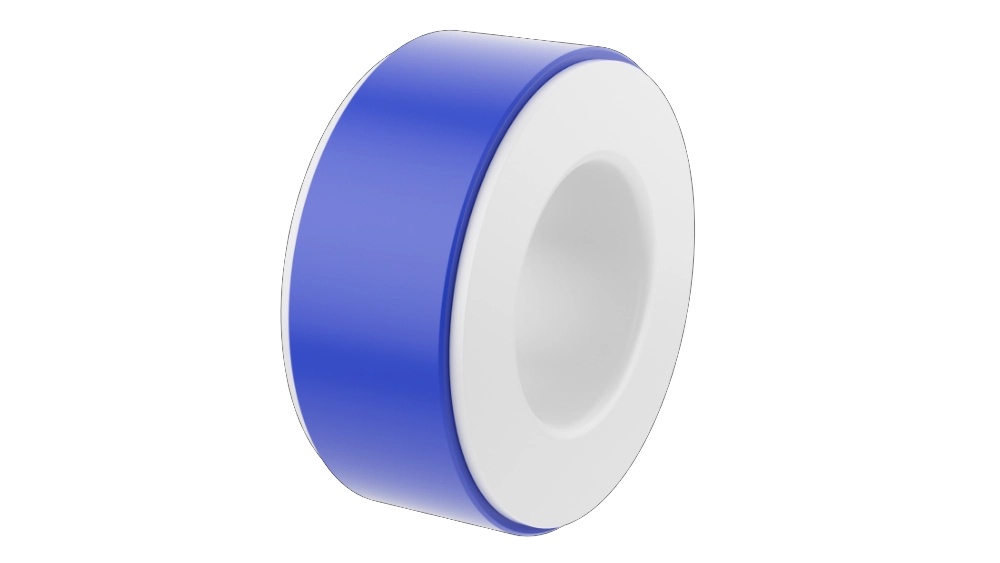
PTFE spacers serve as critical isolation parts in modern industrial piping networks worldwide. These precision components sit between flange faces during active service. This basic function prevents harmful metal contact from developing over time. A piping spacer made from PTFE delivers advantages that standard metal options cannot match. The material stays inert to most chemicals while also providing strong dielectric insulation. Processing plants in chemical and power sectors rely on these traits every day. Engineers choose ptfe spacers when standard materials fail under harsh service conditions. The parts keep exact gaps that ensure correct alignment across the whole system. This reliability yields fewer stoppages and lower upkeep costs over the long term. Pipeline spacers rank among the most common types in large fluid transport systems. They absorb thermal shifts while keeping flange joints strong and secure. Smart choices during design avoid pricey retrofit projects later on.
Key Configurations for Diverse Applications
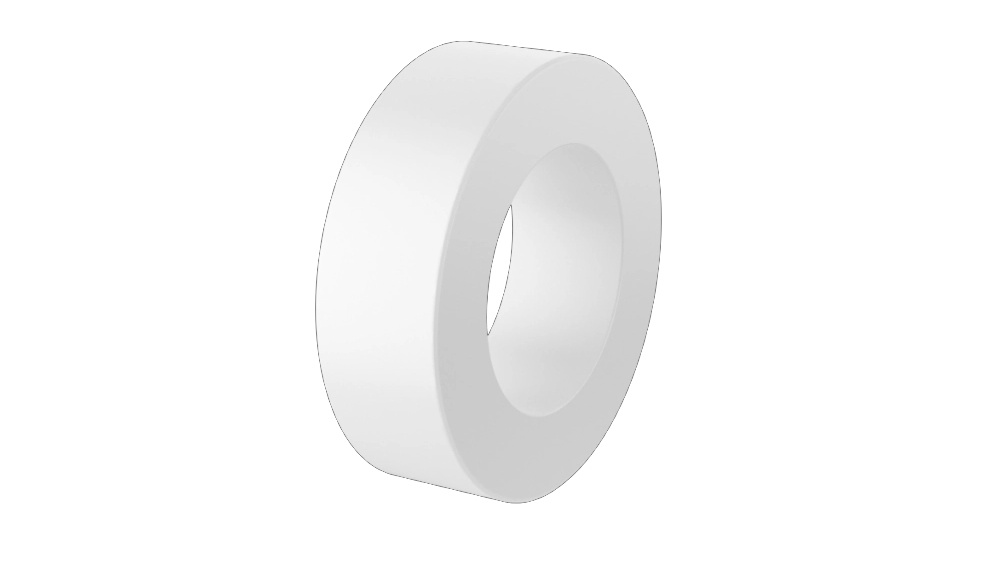
Pipeline spacers come in several shapes to suit different install needs across industry sectors. Flat washer types handle most flange jobs with simple bolt-through setup. Custom sizes cover unusual layouts that stock products cannot address. A ptfe lined spacer combines a metal core with a PTFE outer layer. The metal base offers rigidity under high mechanical loads during operation. The PTFE skin supplies the chemical barrier that process engineers require. PTFE spacer rings give a compact choice for raised face flange connections in tight spaces. These rings fit within bolt circles to hold flange gaps at set distances. Their lean shape saves material while still delivering full isolation. A 1/8 inch ptfe spacer meets narrow-clearance needs in small pipe assemblies. The ring format works for chemical lines and high-purity water systems alike. Crews like the fast install and removal that these designs enable.
Material Advantages That Drive Specification
PTFE resists nearly all process chemicals found across modern industrial production environments. Strong acids and harsh solvents leave no real damage after years of contact. This trait extends service intervals and cuts long-term part replacement costs. The material holds its properties across a wide thermal range for varied service conditions. It works from deep cold up to two hundred sixty degrees Celsius without failure. Heat cycles cause less size change compared with other polymer options. Low stick traits stop debris from building up on spacer faces over time. Clean surfaces keep flow smooth through linked pipes and attached process equipment. Teams spend less time on cleaning tasks and see better reliability numbers. A piping spacer also boosts safety through strong dielectric strength and arc resistance. It blocks rust between unlike metal flanges that would speed up joint decay. This shield matters most in cathodic protection and electrolytic process systems.
Practical Guidance for Spacer Selection
Start by mapping all conditions your system sees during normal and upset operating states. Heat extremes and chemical lists decide which PTFE grade works best. Pressure class and flange dimensions guide final size and thickness choices. A piping spacer must match your flange standard whether ANSI, DIN, or JIS rules apply. Size gaps between parts cause install trouble and leak risks under pressure. Check all key numbers against real gear before you place orders. Work with proven suppliers so ptfe spacers meet industry codes and trace rules. Ask for test reports and inspection data before accepting any shipments. This step guards system health and backs long-term safe running goals. Compare total life cost rather than first price when reviewing bids from different sources. A small upfront premium on quality parts often yields much lower ownership cost. Past install records and documented performance data support smarter investment choices. Build relationships with suppliers who offer engineering advice beyond the transaction. Their insight helps match the rightptfe spacers to exact process needs. This guidance proves valuable when operating conditions shift or new projects start.