PTFE Coated Boards | Bondable Fluoropolymer Liner Sheets


The PTFE Coated Board (specifically classified under our PTFE Coated Board / Bondable Liner segment) represents a highly specialized composite lining material engineered to bridge the gap between universal chemical resistance and permanent structural adhesion.
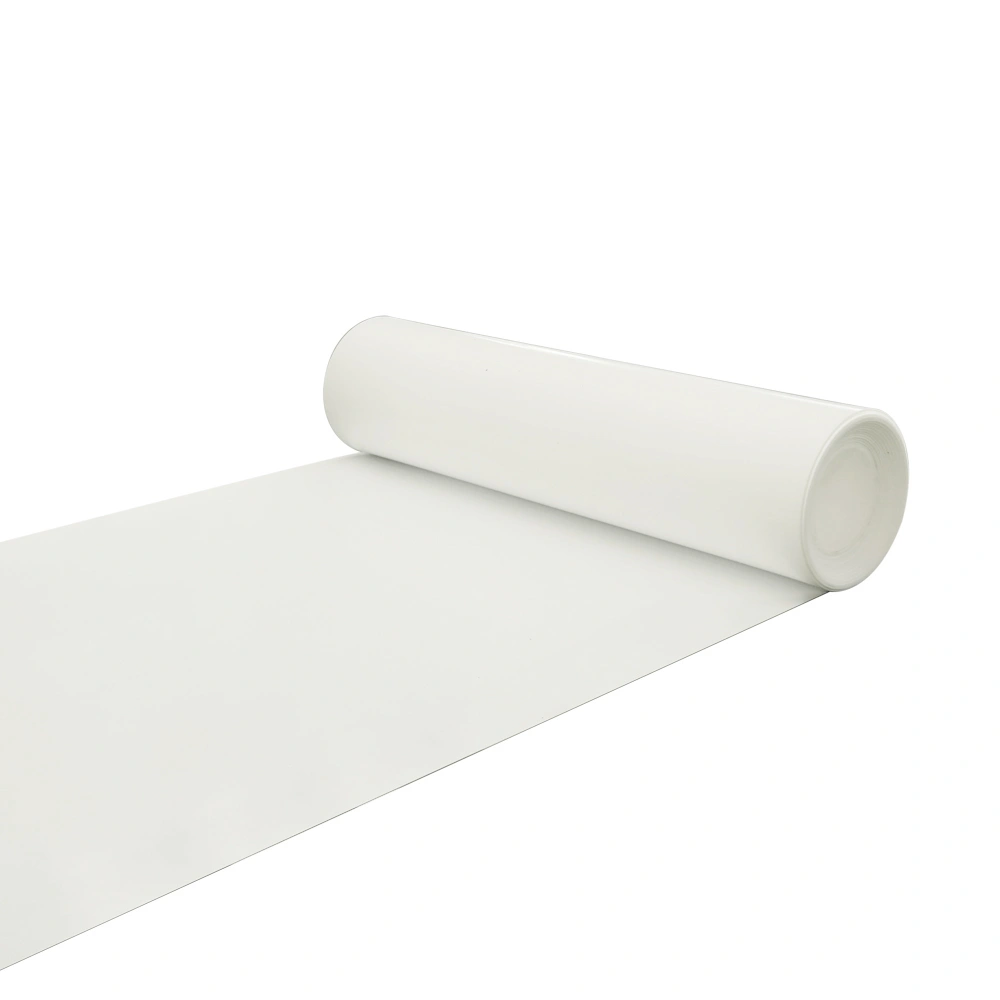
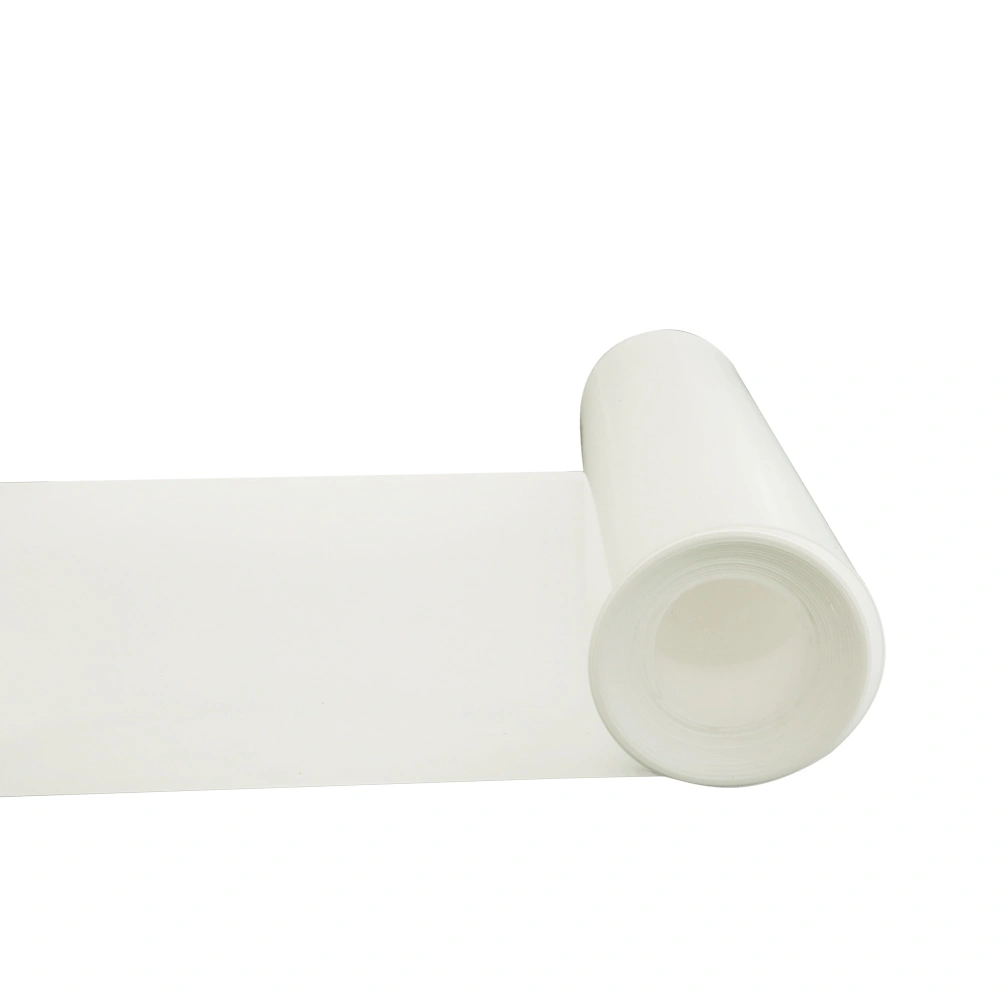
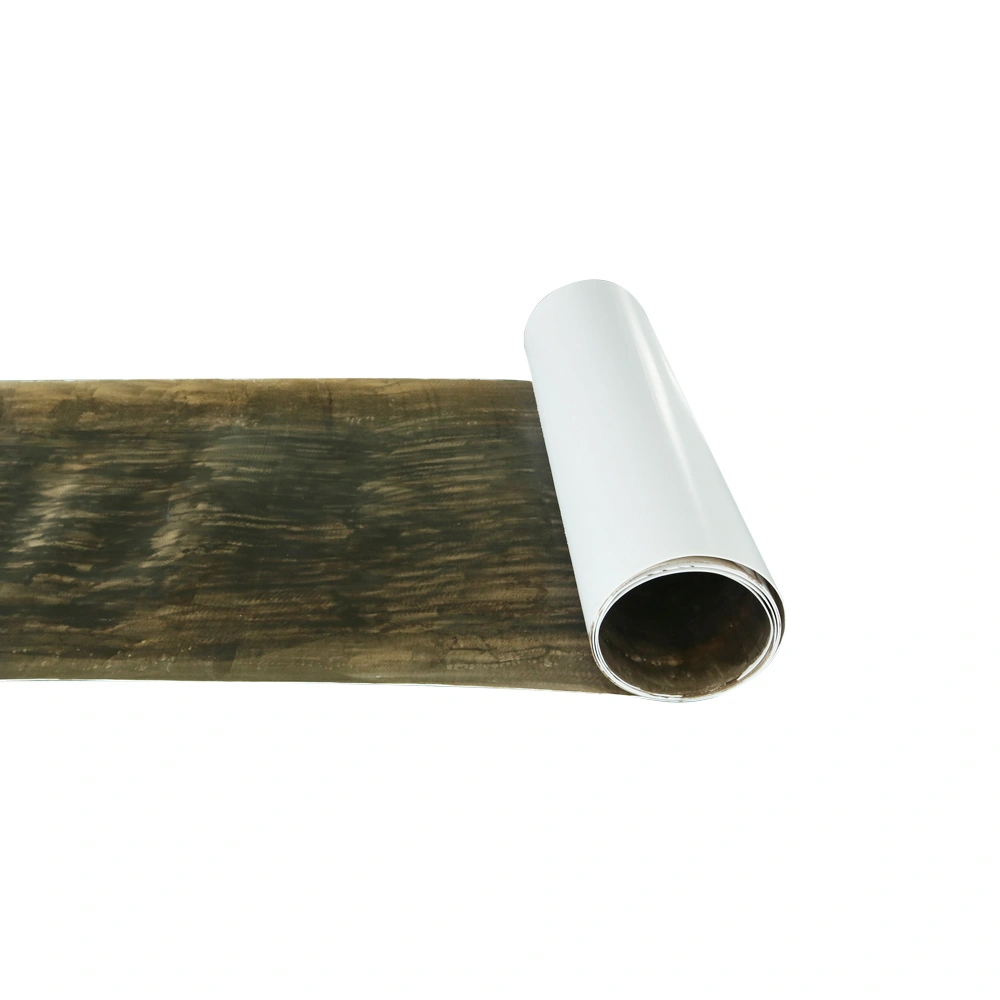
Pure fluoropolymers naturally possess an extremely low surface energy, which makes standard bonding with industrial adhesives completely impossible. To solve this engineering challenge, our PTFE coated boards undergo a precise Sodium-Naphthalene Chemical Etching Process on one designated face. This molecular modification alters the fluorocarbon matrix on the treated side, turning it into a characteristic dark brown/bronze textured surface that readily cross-links with industrial epoxies, polyurethanes, and structural adhesives. The reverse side remains a pure, untouched virgin white PTFE boundary layer, delivering full non-stick lubrication and absolute chemical isolation to the processing environment.
Material Structure & Processing Technology
Dual-Surface Performance Architecture
-
The Bondable Interface (Dark Textured Face): The chemically etched underside features a uniform, microscopic anchor profile. This dark modification layer exhibits excellent wettability and high peel strength when mated to structural metal backing plates, concrete storage vaults, heavy machinery beds, or industrial rubber dampening pads.
-
The Process Interface (Virgin White Face): The clean white functional top layer retains the native, high-density properties of premium virgin PTFE. It guarantees a 0–14 pH universal chemical barrier, zero trace product contamination, and a minimal kinetic friction coefficient that prevents material bridging or scaling.
Roll and Board Manufacturing Integrity
Manufactured using high-precision skiving technology followed by inline continuous automated chemical etching, these boards are delivered in versatile continuous roll formats or flat pre-cut sheet stocks. This flexibility allows field engineers to unroll, measure, cut, and execute large-scale, seamless anti-corrosion linings directly on-site with minimal waste.
Core Technical Features & Material Metrics
-
Superior Peel Strength: The chemically modified brown bonding layer ensures that structural adhesives fully wet the surface, preventing delamination or blistering under vacuum loads or thermal cycling.
-
Extended Thermal Envelope: Maintains absolute structural and chemical integrity across operational temperatures ranging from cryogenic conditions of -180°C up to continuous high-heat exposures of +260°C.
-
Optimized Flexural Flexibility: The board matrix exhibits high elasticity and elongation properties, allowing it to conform smoothly to tight radiuses, complex cylindrical tank shells, and irregular conical hopper shapes without cracking.
-
Wear and Abrasion Resistance: The high-density virgin top face withstands continuous sliding wear from abrasive mineral ores, heavy chemical salts, viscous food slurries, and cohesive pharmaceutical powders.
Primary Cross-Industry Applications
-
Chemical Storage & Process Vessel Linings: Applied as a permanent inner barrier for steel or concrete reaction vessels, neutralizing pits, and storage silos containing highly concentrated acids, alkalis, and chlorinated solvents.
-
Chute, Hopper, & Conveyor Backing Boards: Bonded directly onto steel or concrete gravity chutes inside coal power plants, mining facilities, and cement works to completely eliminate material sticking, clogging, and sliding friction.
-
Semiconductor Wet Bench & Cleanroom Countertops: Utilized as a protective, easily cleanable, and universally chemical-resistant top board layer that is bonded securely to underlying composite or metal cleanroom furniture frameworks.
-
Mechanical Slide Pad Substrates: Glued beneath heavy bridge bearing structures, pipeline support saddles, and industrial machinery bases to act as a permanent, zero-maintenance self-lubricating sliding board.
-
Food Processing & Pharmaceutical Guide Rails: Bonded to high-speed packaging lines and ingredient dosing chutes where continuous non-stick compliance, cleanability, and structural rigidity are simultaneously required.
Comprehensive Quality Auditing & Testing Protocols
Every batch of our PTFE coated and single-side etched boards undergoes rigid quality assurance validation prior to shipment:
-
Etching Uniformity & Contact Angle Evaluation: Testing verifies the chemical modification depth and surface wettability of the dark brown side to ensure uniform adhesive reception and zero un-etched dead spots.
-
Thickness Profile Laser Scan: Multi-point electronic sensor testing across the entire width of the board roll to guarantee tight thickness tolerances and prevent uneven wear spots.
-
Tensile & Peel Adhesion Verification: Destructive sample testing using standard industrial epoxies ensures the bonded interface exceeds standard peel strength requirements, providing maximum durability under intense operational environments.