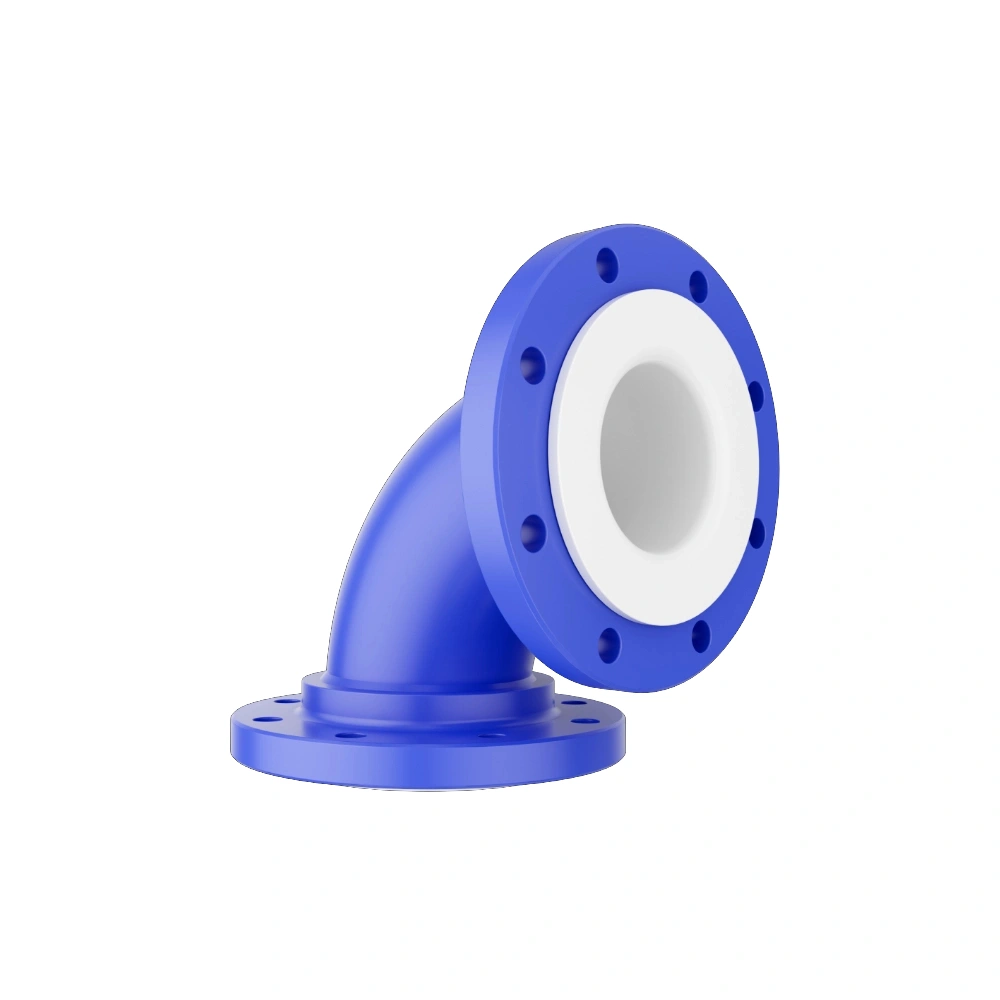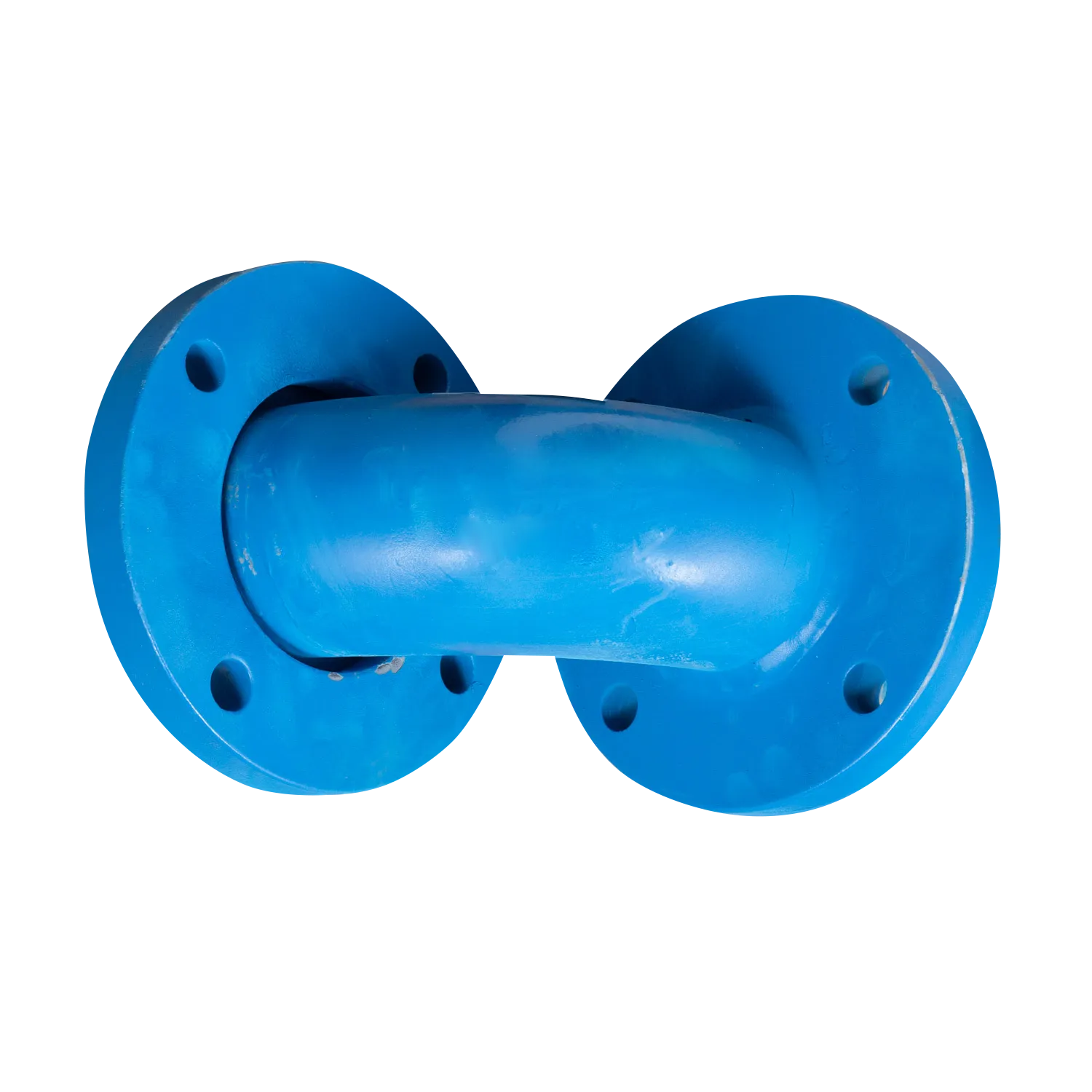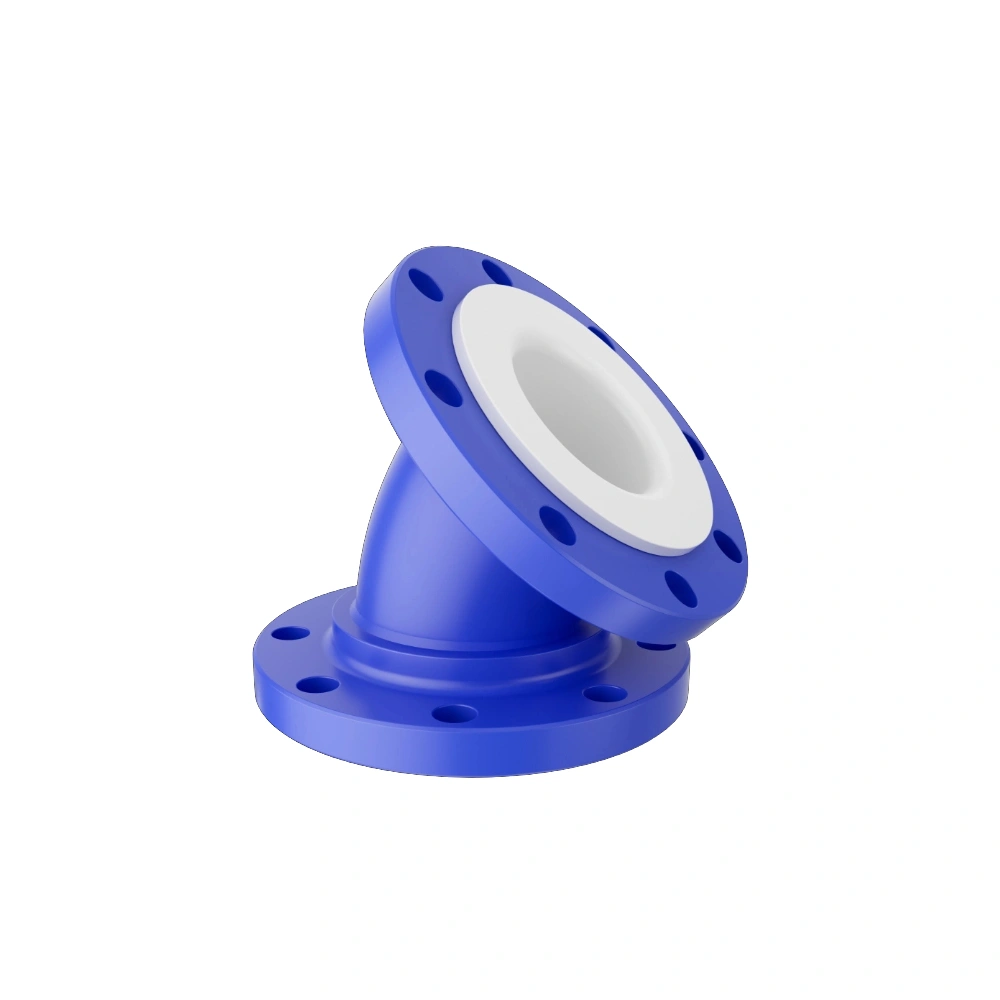
PTFE & PFA 45 Degree Lined Elbows | Corrosion Resistant Fittings
Product Information
Size:
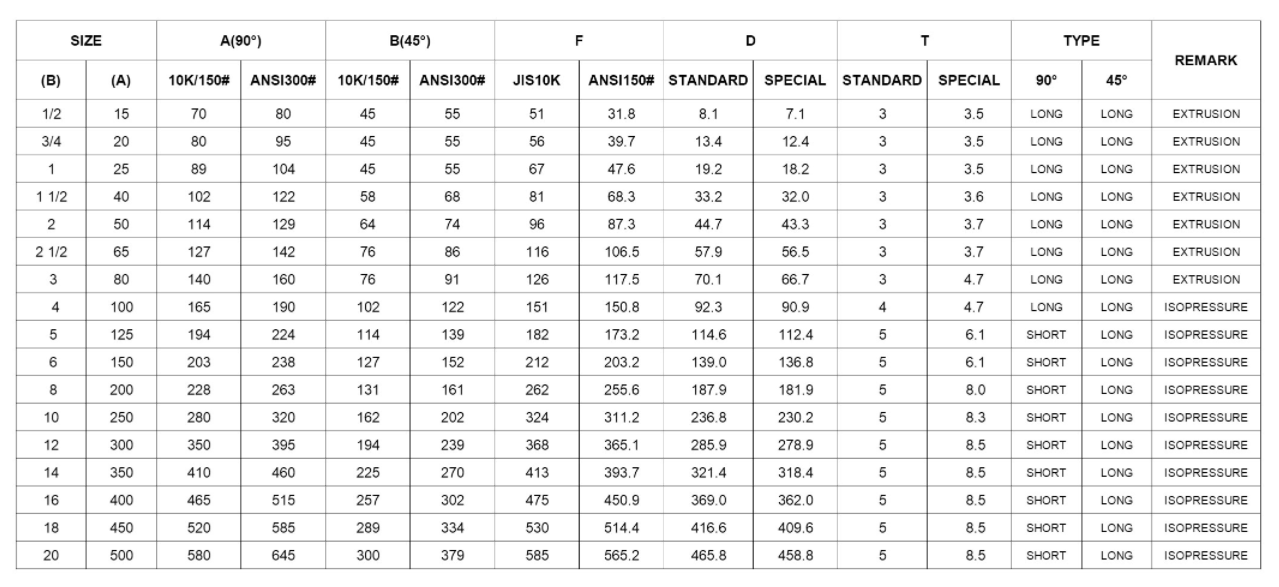
DN15~DN1200
Pressure:
PN10, PN16, 150LB
Material:
A106 Gr.B, A53 Gr.B, 304, 316, 316L
Liner:
PTFE, PFA
Face-to-face dimension:
As per MTO


The PTFE/PFA lined 45° elbow is a high-integrity piping component designed to alter fluid direction by 45 degrees within corrosive fluid handling networks. Compared to standard 90° elbows, the 45° geometric configuration provides a significantly smoother directional transition. This layout substantially reduces internal fluid turbulence, minimizes systemic pressure drops, and mitigates localized hydro-abrasive wear caused by high-velocity process flows.
By combining the structural rigidity and mechanical pressure containment of a metallic outer housing with the absolute chemical inertness of a premium fluoropolymer lining, this fitting delivers safe containment for highly aggressive chemical media. The seamless lining completely encapsulates the internal pressure boundaries and flange sealing faces, eliminating the risk of interstitial attack, stress corrosion cracking, or product contamination.
Material Substrates and Lining Process Control
Carbon & Stainless Steel Outer Casing
The outer metallic elbow shell absorbs system piping stresses, thermal expansion forces, and external mechanical impacts. The pressure-containing housing complies strictly with global industrial procurement specifications:
-
ASTM A234 Grade WPB: Standard carbon steel grade for high-temperature and high-pressure piping fittings, providing excellent structural durability.
-
ASTM A106 Grade B / ASTM A53 Grade B: Seamless carbon steel substrates utilizing heavy-wall architecture for standard chemical process runs.
-
ASTM A312 Grade 304 / 316 / 316L: Austenitic stainless steel options engineered for cleanrooms, sterile pharmaceutical plants, or installations exposed to aggressive external marine and atmospheric corrosion.
Advanced Fluoropolymer Linings (PTFE & PFA)
The selection of internal lining material depends on the internal flow dynamics, process temperatures, and chemical concentration of the media:
-
Virgin PTFE (Polytetrafluoroethylene): Provides total chemical resistance across the complete 0–14 pH scale. Its naturally low friction coefficient prevents product buildup, crystallization, and chemical scaling within the curved flow path.
-
Melt-Processable PFA (Perfluoroalkoxy Alkane): Highly recommended for directional fittings due to its superior melt-flow characteristics. PFA molding ensures absolute lining thickness uniformity across complex internal curved surfaces and intersecting flange faces, delivering enhanced durability during severe thermal cycling.
Manufacturing Methodologies for Curved Geometries
-
High-Density Molding Processing: Because 45° elbows feature a curved internal path, automated isostatic molding or transfer molding techniques are applied. This methodology forces the polymer matrix into the housing under uniform high hydraulic pressure, creating a dense, homogeneous structure free of micro-porosity, thinning, or internal stress concentrations at the bend radius.
-
High Permeation Resistance: The dense, highly compressed fluoropolymer lining directly reduces the permeation rate of highly volatile chemical vapors and low-molecular-weight acids, protecting the steel host shell from chemical degradation.
-
Full Vacuum Stability: The internal lining is mechanically locked into machined anchoring grooves or secured via specialized retention holes within the steel casing. This structural design ensures the lined 45° elbow maintains full vacuum stability, preventing liner collapse or buckling under negative pressure shifts at elevated temperatures.
Technical Parameters & Standards Compliance
To ensure seamless integration into international engineering procurement frameworks, all manufacturing and engineering processes conform to global compliance standards:
System Performance Specifications
-
Nominal Diameter Range: DN15 to DN1200 (1/2" up to 48" nominal diameter)
-
Pressure Class Parameters: PN10, PN16, and ASME Class 150 (150LB)
-
Center-to-Face Dimensions: Standard dimensional layouts conforming to international benchmarks, or custom manufactured as per specific project Material Take-Off (MTO) and isometric system blueprints.
Applicable Engineering Standards
-
Design & Manufacture: ASTM F1545 (Standard Specification for Plastic-Lined Ferrous Metal Pipe and Fittings)
-
Flange Attachment & Dimension Standards: ASME B16.5, EN1092-1, DIN 2501, HG/T 20592, JIS 10K
-
Face-to-Face Core Dimensions: Conforming to ASME B16.10, GB/T 12221, or specialized customer MTO parameters.
Primary Cross-Industry Applications
The absolute chemical inertness and optimized directional flow capability of these PTFE/PFA lined 45° elbows make them essential for fluid routing in the following sectors:
-
Chlor-Alkali Manufacturing: Deployed in high-velocity lines for wet chlorine gas, multi-directional caustic soda routing, and concentrated hydrochloric acid circulation loops.
-
Chemical Process Industries (CPI): Used at critical directional changes for transferring bulk mineral acids, including concentrated sulfuric, hydrofluoric, nitric, and phosphoric acids.
-
Pharmaceutical and Biotech Processing: Provides a non-contaminating, ultra-smooth fluid path that prevents metal-ion extraction, facilitates efficient Clean-in-Place (CIP) flushing, and prevents bacterial or chemical accumulation.
-
Semiconductor & Electronics Chemical Supply: High-purity distribution networks delivering electronic-grade ultra-pure chemicals, active organic solvents, and concentrated acid-etching solutions to wafer processing lines.
-
Petroleum Refining & Petrochemicals: Deployed in acid alkylation lines, sour water treatment facilities, and process piping carrying aggressive hydrocarbon catalyst streams.
-
Industrial Fertilizer Production: Handling of highly corrosive and abrasive flows of phosphoric acid slurries and reactive ammonia compounds where pressure drop must be minimized.
-
Extractive Metallurgy & Acid Leaching: Directional piping for mining leaching agents, copper/gold electrowinning fluids, and aggressive wastewater treatment systems.
Comprehensive Quality Management & Testing Verification
To ensure zero leakage, maximum operational safety, and full performance compliance at critical pipeline turns, every lined 45° elbow undergoes strict quality control sequences before shipment:
-
Electrostatic Spark Testing (Non-Destructive): 100% of the interior lined surface, including the entire curved path and both flange faces, is verified using high-voltage spark testing equipment (10kV to 25kV based on lining thickness) to ensure zero pinholes, micro-voids, or structural cracks.
-
Hydrostatic Containment Testing: Pressure retention tests are conducted in strict compliance with API 598, ASTM F1545, or GB/T 13927 standards to confirm structural integrity under high mechanical loads.
-
Visual and Dimensional Verification: A comprehensive evaluation of liner face thickness, flange alignment, parallelism, and total geometric compliance against customer isometric design parameters.