PTFE Lined Pipe Solutions for Industrial Fluid Handling | Fluoropolymer Experts
News Details
Why PTFE Pipes Excel in Harsh Environments
Industrial fluid transport demands materials that endure extreme conditions. A standard ptfe pipe offers unmatched chemical resistance across countless applications. It handles acids, solvents, and corrosive media with ease. Also, its non-stick surface prevents buildup and contamination inside the pipeline. This makes PTFE a top choice for process engineers worldwide. But chemical resistance alone does not tell the full story. These pipes also deliver superior thermal stability in demanding settings. They operate reliably from cryogenic lows to elevated temperatures. Moreover, their low friction coefficient reduces energy loss during fluid transfer. As a result, plant operators see lower maintenance costs and longer service life. The smooth inner surface minimizes pumping energy requirements significantly. Therefore, total operational expenditure drops across the entire system lifecycle.
The Engineering Behind PTFE Lined Pipework
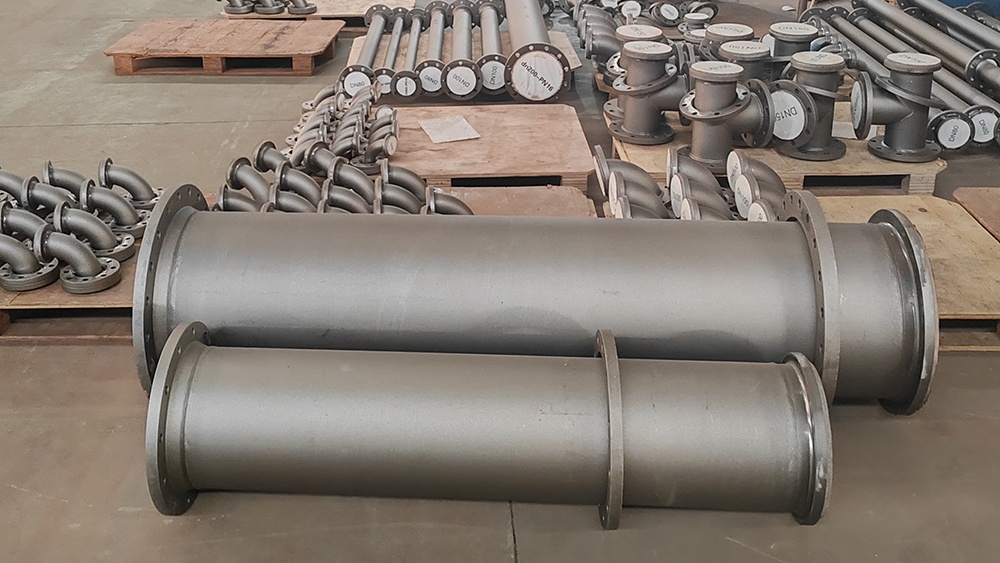
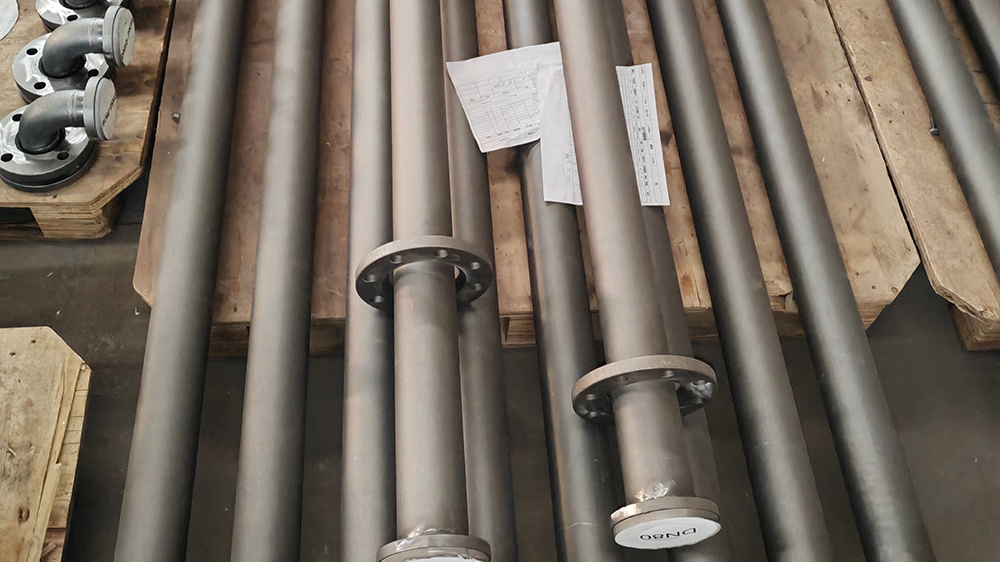
Standard steel pipes often fail when exposed to aggressive chemicals. Ptfe lined pipework solves this by combining structural steel with a fluoropolymer liner. The outer steel shell provides mechanical strength and pressure resistance. Meanwhile, the inner PTFE layer creates an impermeable barrier against corrosion. This dual-layer design gives you the best of both worlds. For example, a ptfe lined pipe system can transport hydrochloric acid without degradation. The liner isolates the fluid completely from the metal substrate. Therefore, even highly reactive compounds stay contained and safe. Also, this construction eliminates the need for expensive alloy alternatives. Engineers can specify carbon steel shells and still protect against the harshest media. But installation and assembly require careful attention to detail. Proper joint design ensures the liner remains intact at connection points. Flanged ends and specialized gaskets maintain the sealed environment throughout the pipeline. As a result, a well-designed ptfe lined pipe network delivers decades of trouble-free operation. Standard maintenance procedures become simpler and less frequent over time.
Selecting the Right Lined Pipe Fittings
A pipeline is only as strong as its weakest connection. Lined pipe fittings play a critical role in system integrity and flow efficiency. These components must match the liner material and withstand identical operating conditions. Also, they need precise dimensional accuracy for leak-free assembly. But the variety of available configurations can overwhelm procurement teams. Standard options include elbows, tees, reducers, and crosses for diverse layouts. Ptfe lined fittings come in multiple sizes and pressure ratings. For this reason, working with experienced manufacturers saves time and reduces risk. They can recommend the optimal fitting geometry for your specific process parameters. Also, consider the long-term cost implications of your fitting choices. Lower upfront prices may hide higher replacement and downtime expenses. Quality ptfe lined fittings with proper certifications ensure reliable performance year after year. Therefore, total cost of ownership should guide your selection strategy. Smart buyers evaluate material certifications and testing documentation carefully. These details separate premium suppliers from commodity vendors in the market.
Future-Proofing Industrial Infrastructure
Modern factories must plan for evolving regulatory and operational demands. Ptfe lined pipe technology adapts as new chemicals enter production workflows. Its universal chemical compatibility means you can repurpose lines without major rework. Also, the reduced maintenance footprint supports lean manufacturing initiatives. But technology alone cannot future-proof your facility. Strong supplier partnerships deliver ongoing value beyond the initial purchase. Look for manufacturers offering technical support and custom fabrication capabilities. For example, some suppliers provide on-site inspection and liner integrity testing. These services help you maximize asset lifespan and avoid unplanned shutdowns. Also, the move toward sustainable industrial practices favors durable solutions. Ptfe lined pipe systems generate less waste over their lifecycle compared to alternatives. They require fewer replacements and consume fewer resources during operation. Therefore, investing in quality fluoropolymer piping aligns with both economic and environmental goals. Smart infrastructure choices today reduce headaches and compliance risks tomorrow. As a result, your facility stays competitive in an increasingly demanding market.