PTFE Lined Pipe Final Coating & Packaging - Part 2
News Details
Introduction: Preparing Heavy Spools for International Shipping
In Part 1 of this series, we looked inside our quality lab to see how we test paint adhesion and thickness on our PTFE lined pipes. But after the painting process is complete and the coating fully cures, an equally important challenge begins: International Transportation.
Shipping industrial piping orders across oceans is a tough journey. Cargo ships encounter high humidity, salty sea spray, violent waves, and heavy crane handling at destination ports.
If a supplier simply loads loose painted pipes directly into a container without proper protection, those pipes will bump into each other, chip the fresh paint, and potentially damage the internal PTFE flange flares. Here is how our standardized packaging workflow ensures your ptfe lined pipes and ptfe lined pipe fittings arrive in flawless condition.
Step 1: Final Coating Visual Inspection
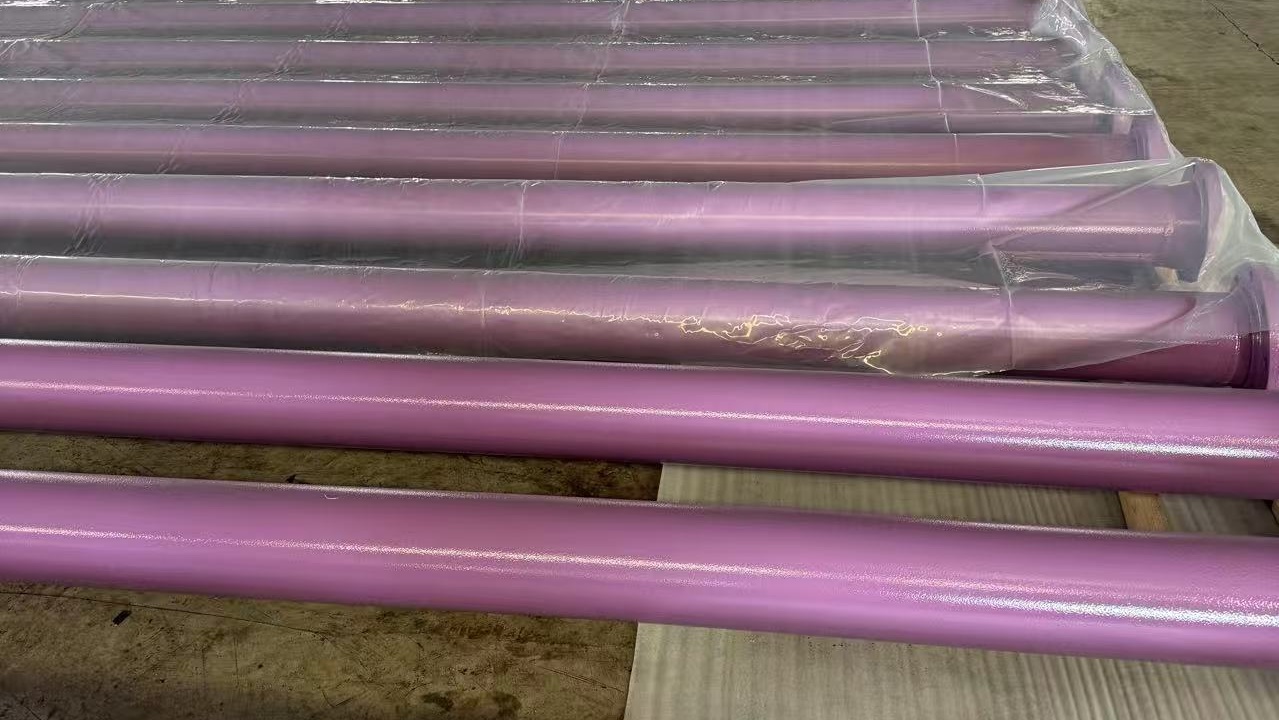
Once the topcoat (a durable polyurethane layer designed to withstand outdoor sunlight and UV rays) has dried completely, our inspectors perform a final visual audit across every piece in the order.
-
Gloss & Smoothness Audit: We inspect the entire outer surface to ensure the paint layer is smooth, uniform, and free of sags, drips, or air bubbles.
-
Color Consistency: Whether your project requires standard safety grey, industrial blue, or custom caution colors, we verify that the color coding is 100% consistent across all straight pipes and ptfe lined pipe fittings.
-
Weather Barrier: This outer polyurethane coat does more than look good—it provides an easy-to-clean, non-porous barrier that sheds rain, resists chemical dust, and prevents fading under intense sunshine.
Step 2: Protecting the PTFE Flange Faces (The Sealing Area)
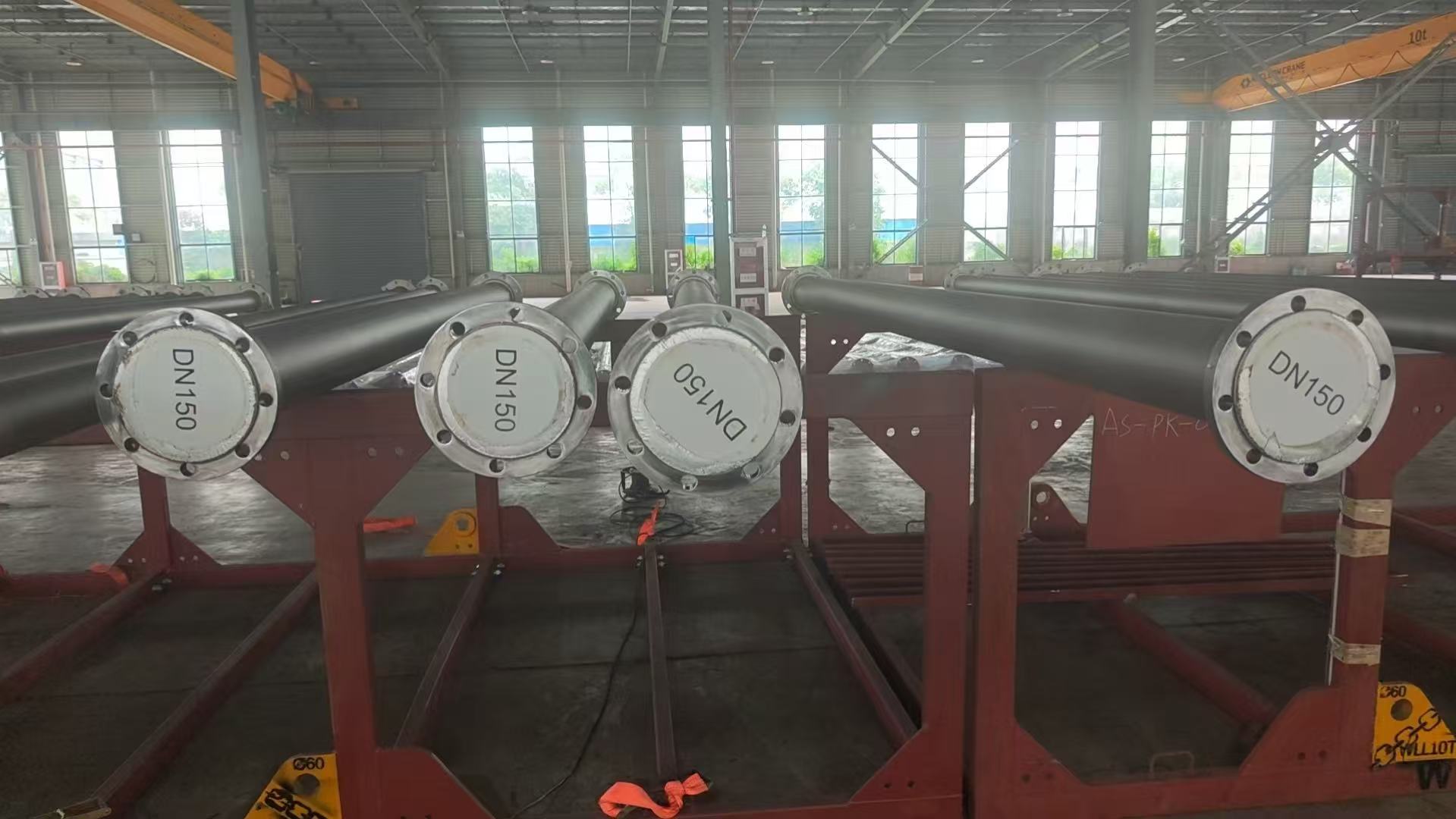
If you look closely at a flanged PTFE Lined Pipe, you will notice that the internal white PTFE lining extends out over the face of the steel flange. This flared PTFE face is what forms the leak-proof seal when you bolt two pipes together on your construction site.
If this PTFE flange face gets gouged, cracked, or scratched during loading, the pipe will fail its pressure test and leak chemical fluid once installed.
-
Heavy Plastic End Covers: Immediately after final inspection, we snap thick plastic protective covers over every flange end (such as on our DN150 and DN200 spools).
-
Impact Shield: These hard covers act like a heavy-duty phone case for the pipe ends. They take the blow if a crane or forklift accidentally bumps the pipe against a hard surface.
-
Dirt & Dust Barrier: The covers keep sand, construction debris, and rain out of the clean inner pipe cavity during storage at your job site.
Step 3: Moisture Protection & Export Packaging Standards
To ensure saltwater mist cannot touch the freshly finished exterior during ocean freight, we apply a multi-layer export packaging protocol:
-
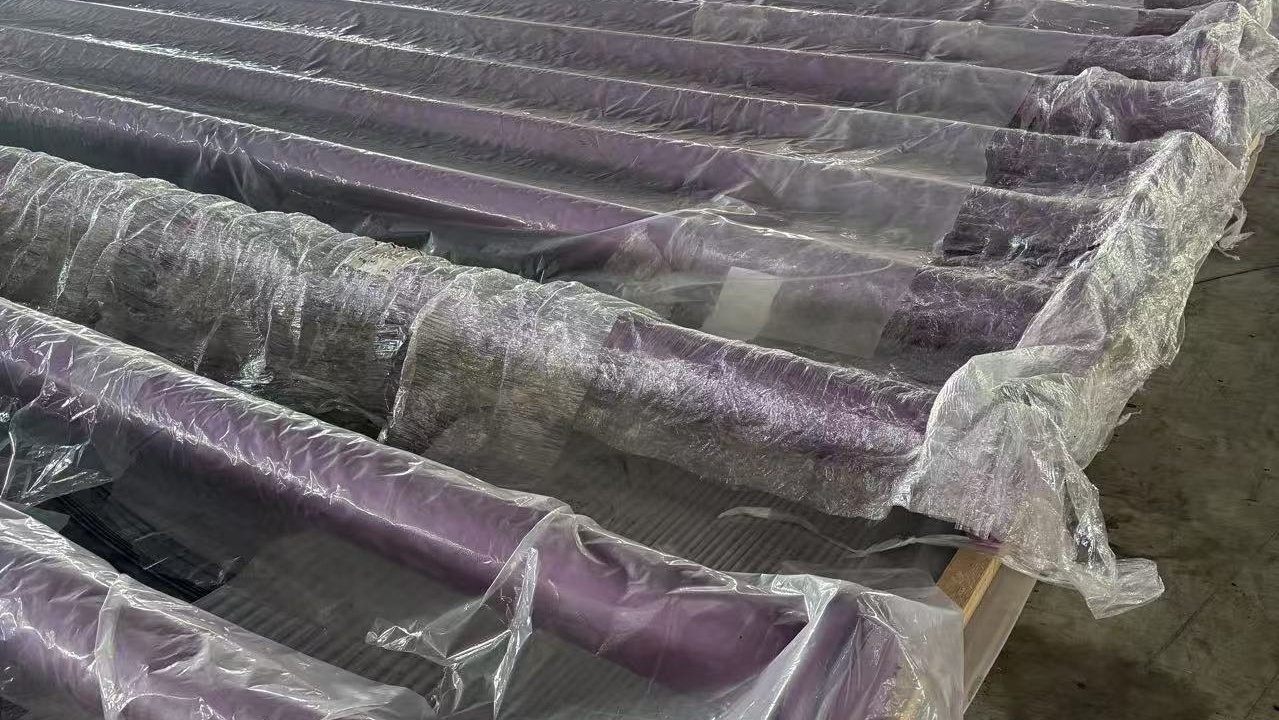
Heavy-Duty Stretch Wrapping: Every individual pipe spool and fitting is wrapped tightly in clear, water-resistant plastic stretch film. This seals out coastal humidity and prevents minor surface scuffs during loading.
-
Custom Wooden Cradles & Racks: Pipes are never piled directly on top of each other on hard concrete or steel floors. They are stacked on custom wooden cradles with soft isolation strips placed between adjacent pipes.
-
Rigid Container Securing: Inside shipping containers or wooden crates, every bundle is strapped down firmly with heavy-duty ratcheting belts to prevent any shifting during rough ocean voyages.
Best Practices for Your Site Installation Team
To help your project run smoothly once your order arrives on-site, we recommend sharing these simple handling guidelines with your installation workers:
-
Use Textile Slings: Always lift wrapped PTFE Lined Pipe spools using wide nylon or polyester fabric slings. Never use bare steel wire cables or metal chains directly against the painted pipe body.
-
Keep End Covers On Until Bolting: Leave the plastic protective flange covers attached to the pipe ends for as long as possible. Only remove them right at the moment your crew is ready to align and bolt the flange joint together.
-
Quick Touch-Up Care: If a pipe sustains a minor paint scratch during heavy site handling, use a compatible two-component touch-up paint pen to seal the scratch before rain hits the steel.
Ready to Upgrade Your Piping Reliability?
From raw steel surface preparation and strict laboratory adhesion tests to final flange protection and export packaging, we take every step necessary to deliver world-class piping products.
Contact our engineering and technical sales team today to request product catalogs, technical datasheets, or a competitive quote for your next project involving PTFE lined pipes and ptfe lined pipe fittings!


